

Cairo Governor Confirms Readiness for Upcoming High School Exams
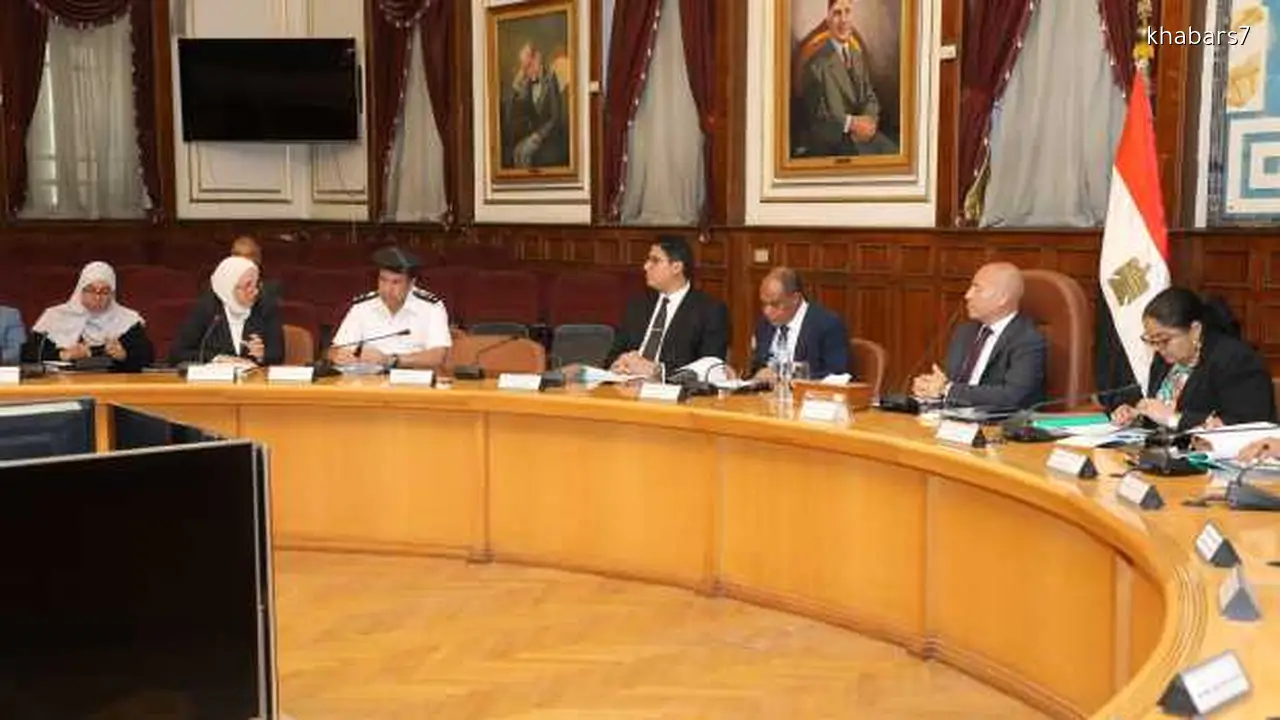
Dr. Ibrahim Saber, the Governor of Cairo, announced that the capital has completed its preparations for the high school exams set to commence on Sunday, June 21, 2026.
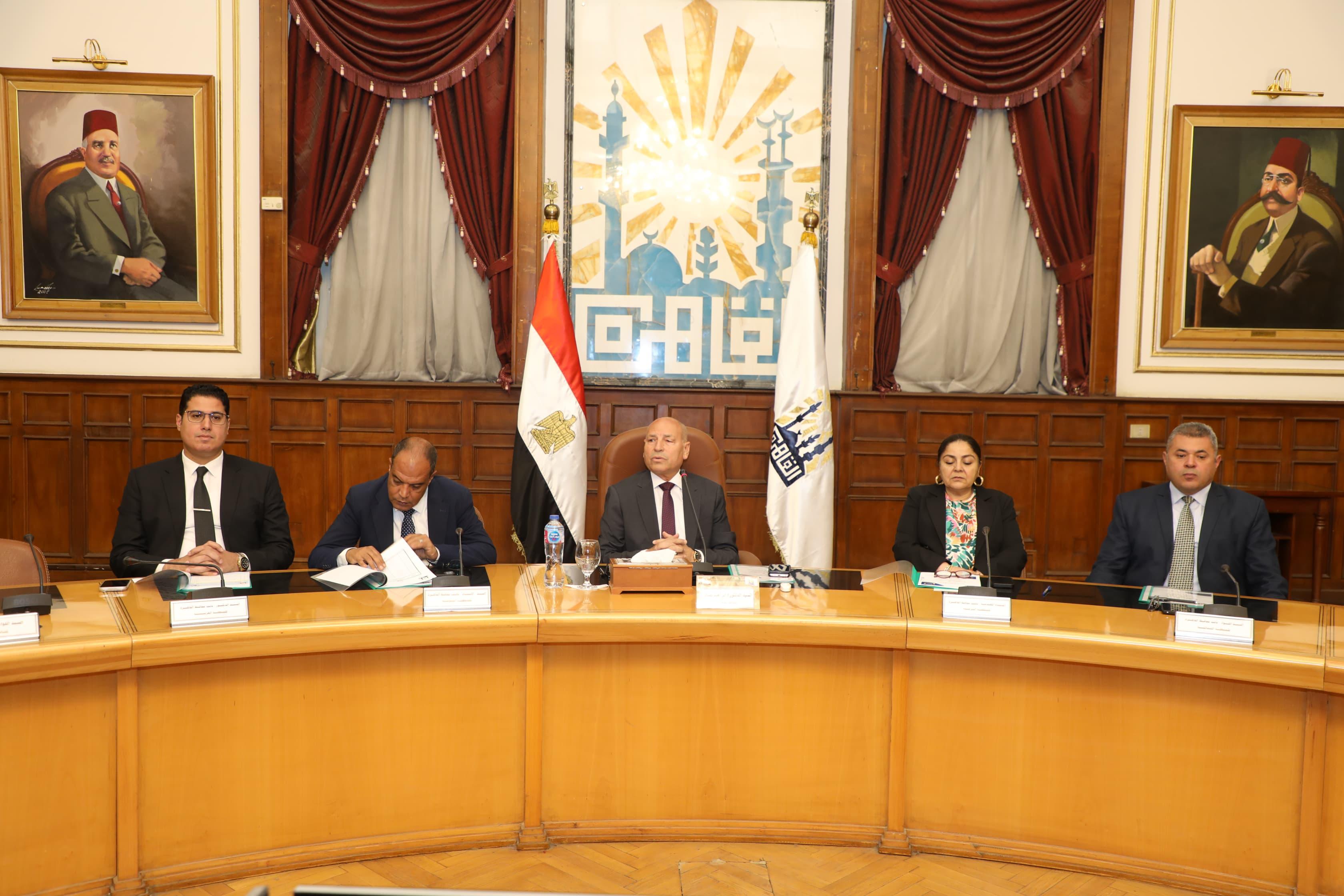
The governor emphasized that stringent safety and health measures will be enforced for students before, during, and after the exams to ensure a smooth process. All necessary precautions will be taken to provide a calm and secure environment for students, teachers, and all staff involved in monitoring and maintaining order throughout the examination period.
Dr. Saber stressed the importance of adhering to regulations governing exam procedures and taking all necessary actions to maintain discipline within examination halls while preventing any attempts at cheating. He also highlighted the need to ensure that examination venues are adequately prepared and comfortable for both students and invigilators.
During a meeting focused on final arrangements for the upcoming exams, he instructed educational directors to enforce strict regulations against cheating to uphold fairness and equal opportunities among students. The governor underscored the importance of ensuring operational surveillance cameras within examination halls and restricting students from entering with electronic devices such as mobile phones or headphones. Immediate legal actions will be taken against violators, alongside measures to avoid overcrowding during entry into exam locations through thorough inspections.
The National Emergency Network Control Center in Cairo, along with the central operations room of the governorate, will monitor all procedures throughout the exam days.
This year, a total of 126,785 high school students in Cairo will take their exams across 264 examination centers affiliated with 35 educational administrations. Notably, this year marks the introduction of a new system in five districts: Nasr City East, Abdeen, Al-Basateen, Maadi, and Heliopolis. Each center will host multiple examination rooms managed by designated heads and supervisors.
Of these students under the new system, there are 37,772 in the arts stream, 49,387 in science, and 26,928 in mathematics. Additionally, there are 13,311 international school students participating.
In contrast, under the old system, there will be 146 students in arts, 245 in science, 78 in mathematics, and 17 from international schools taking their exams.
The meeting was attended by various officials including Ashraf Mansour, Deputy Governor for Southern Cairo; Mona Al-Batrawi for Eastern Cairo; Dr. Ahmed Anwar Attia Al-Adl for Western Cairo; Omar Al-Shafai for Northern Cairo; Hamat Abu Keela from the Education Directorate; district heads; and other provincial leaders.
The governor also emphasized ensuring that fans are operational within all examination rooms and that cold water is available to help students cope with high temperatures.
He directed educational administration managers to conduct regular checks on exam venues to guarantee all comfort measures are met while adhering to preventive protocols such as maintaining clean restrooms and ensuring furniture is safe and functional with proper lighting and ventilation.
Additionally, he instructed district heads to ensure cleanliness around schools hosting exams while confirming that fire safety equipment is available and functional at each location. No street vendors or obstructions should be present around examination centers through continuous field presence from district heads throughout exam days.
The governor highlighted the necessity of providing hand sanitizers and washing facilities in all restrooms at exam sites.
Coordination has been established with Cairo’s Traffic Department to manage traffic flow on streets leading to examination venues effectively while also collaborating with Cairo Security Directorate for comprehensive security at exam centers as well as monitoring question papers’ transportation between distribution centers and venues. Moreover, arrangements have been made with health authorities to have at least one ambulance along with a doctor at each educational administration’s venue accompanied by a health visitor equipped with first aid supplies for emergencies.
He stressed the importance of having backup generators at all control sites and venues ready for any unforeseen circumstances along with rapid response vehicles available for electrical issues around examination areas.
Finally, he emphasized preparing supervisors’ rest areas equipped with all necessary comforts.
Dr. Hamat Abu Keela confirmed that accommodations have been arranged for supervisors overseeing examinations—85 rest areas have been prepared comprising 48 designated for men and 37 for women—ensuring adequate living conditions alongside sanitation measures while activating an operations room within the Education Directorate involving all relevant parties overseeing exam processes.
Comments