

New Air Pollution Monitoring Stations Established at Cairo and Al-Azhar Universities
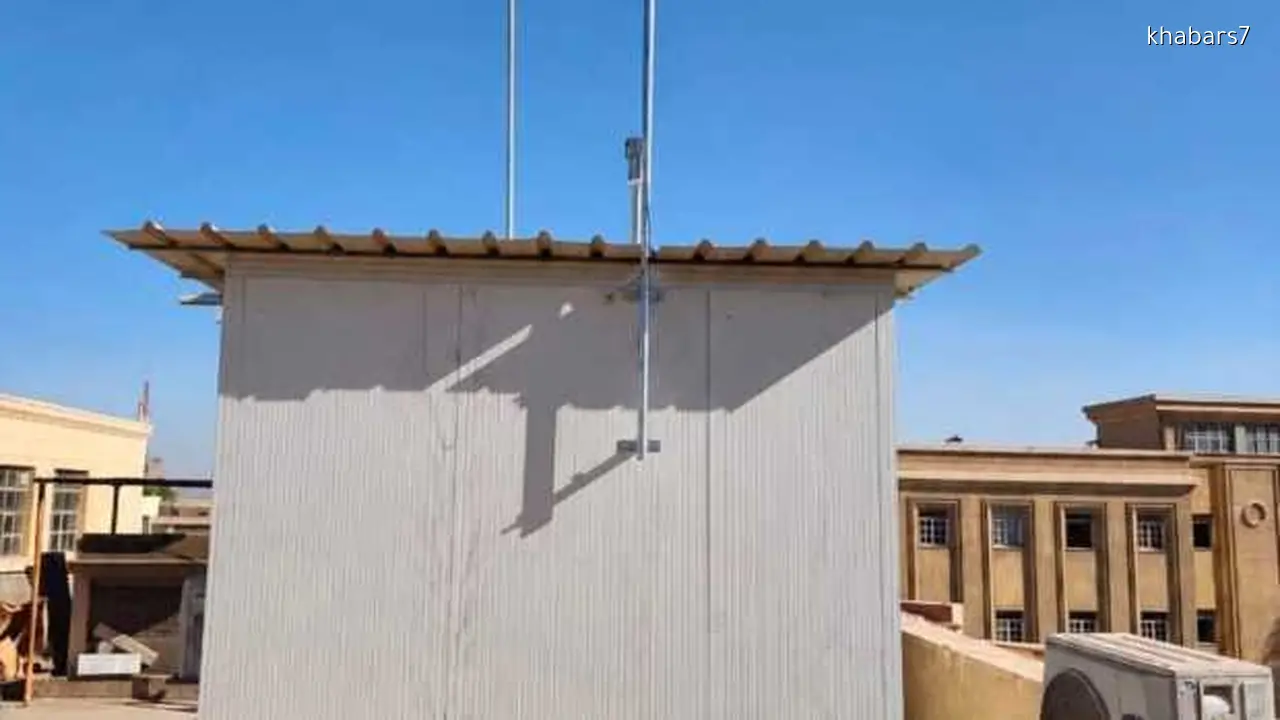
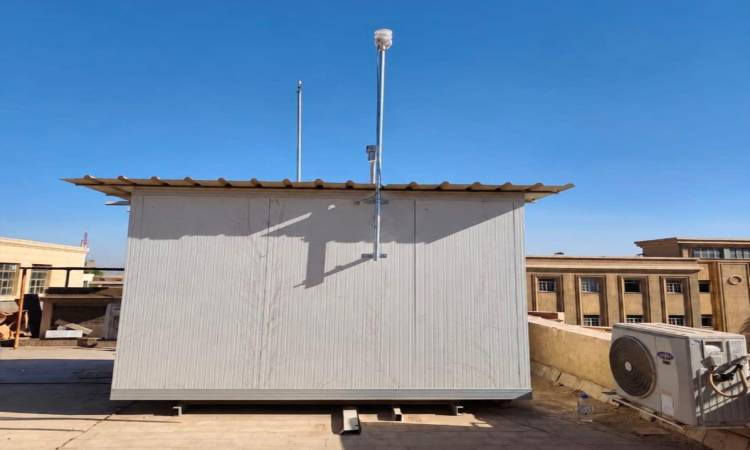 Air Pollution Monitoring" width="750" height="450" />
Air Pollution Monitoring.
Dr. Manal Awad, Egypt’s Minister of Local Development and Environment, announced the addition of two new air pollution monitoring stations at Cairo University and Al-Azhar University.
This initiative is part of the “Air Pollution Management and Climate Change in Greater Cairo” project, aimed at enhancing the national network for monitoring air pollutants and strengthening environmental surveillance to address challenges related to pollution and climate change.
With the addition of these new stations, the total number of monitoring stations in the national network has reached 123, distributed across various governorates in Egypt. This expansion enhances the efficiency of environmental monitoring systems and ensures continuous and accurate data on air quality.
Awad explained that the installation of the new stations is being carried out in cooperation with Cairo University and Al-Azhar University, with both stations located within their campuses. This strategic placement aims to improve spatial coverage for monitoring within Greater Cairo, particularly in densely populated areas, thereby supporting efforts to track and evaluate air quality more effectively.
The new stations are equipped with advanced technologies to monitor concentrations of fine particulate matter and measure black carbon levels, as well as track carbon dioxide emissions. This setup will provide continuously updated data on pollution levels and air quality.
The Minister noted that this data represents a crucial scientific tool for supporting environmental studies and research, assessing pollution levels, and assisting decision-makers in formulating policies necessary to improve air quality and mitigate the negative effects of air pollution on public health and the environment.
She emphasized that this initiative aligns with the state’s strategy for continuous expansion of environmental monitoring systems and enhancing the efficiency of the national network for monitoring air pollutants. This supports efforts to improve air quality, tackle air pollution challenges, and climate change while promoting reliance on accurate scientific data in environmental planning and policy-making aimed at achieving sustainable development and enhancing citizens’ quality of life.
Comments