

Minister Manal Awad Discusses Coral Reef Protection in the Red Sea
 Manal Awad during the meeting" width="750" height="450" />
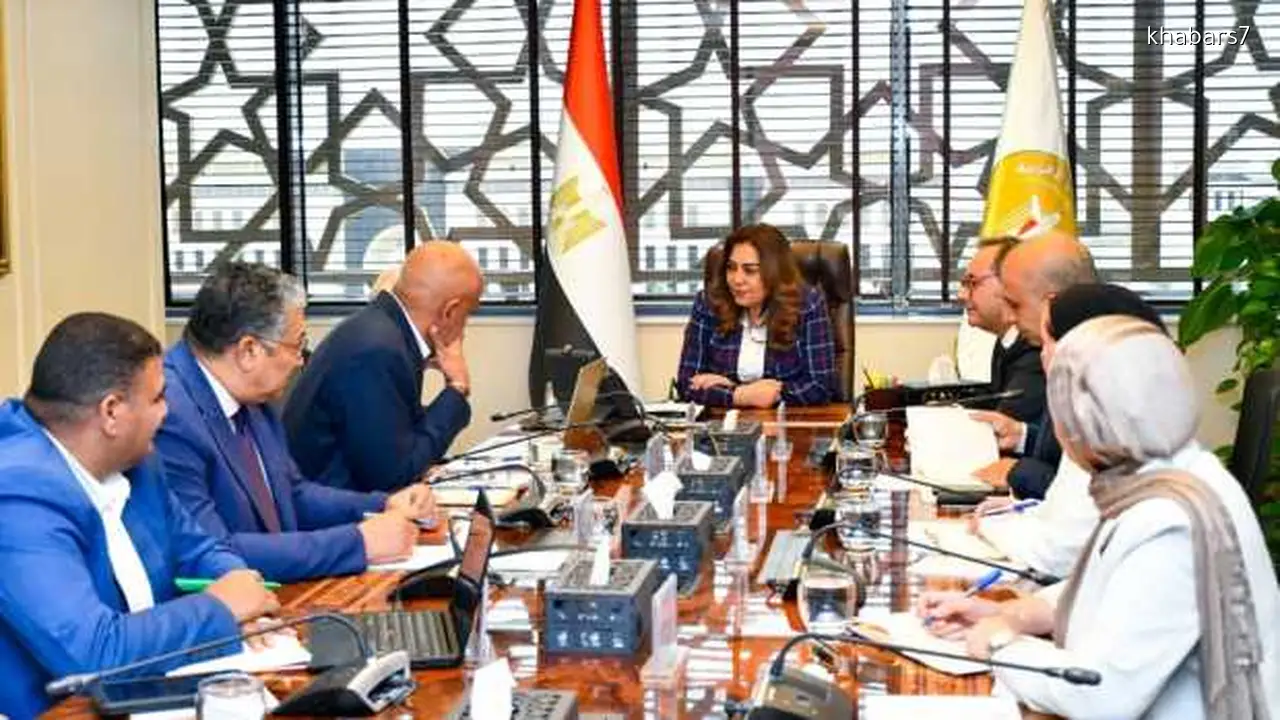
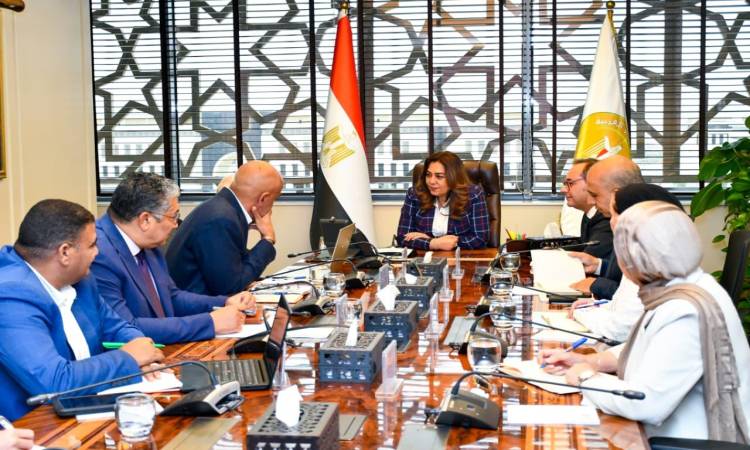
Manal Awad during the meeting.
Dr. Manal Awad, Egypt’s Minister of Local Development and Environment, convened a meeting with Dr. Mahmoud Hanafy, Scientific Advisor at the Hurghada Environmental Protection and Conservation Association (HEPCA), and Engineer Nour Farid, the association’s director.
The meeting aimed to monitor efforts to protect the marine environment in the Red Sea and to enhance collaboration with civil society organizations focused on preserving natural resources and biodiversity. The attendees reviewed various projects and initiatives undertaken by HEPCA in areas such as coral reef protection, solid waste management, and community support.
Also present were Engineer Sherif Abdel Rahim, Executive President of the Egyptian Environmental Affairs Agency; Mr. Yasser Abdullah, Head of the Waste Management Regulatory Authority; Ms. Yasmin Salem, Assistant Minister for Coordination and Government Relations; along with several leaders from the Ministry’s Nature Conservation Sector.
At the outset of the meeting, Dr. Awad emphasized that the Red Sea is one of the world’s most important marine ecosystems, known for its unique biodiversity and valuable coral reefs which hold significant environmental, tourism, and economic value.
She noted that Egypt places great importance on preserving this unique natural resource as a key component of sustainable development and eco-tourism amid global environmental challenges and rapid climate changes.
HEPCA representatives presented an overview of the association’s role as a non-profit civil society organization dedicated to marine environmental protection. They highlighted its history and key activities aimed at conserving natural resources and enhancing marine ecosystem sustainability in the Red Sea.
The meeting included a detailed presentation on HEPCA’s solid waste management system implemented in Hurghada and Marsa Alam. It covered waste collection, transportation, management processes, and challenges faced by the system, which generates approximately 400 tons of waste daily. The representatives indicated that numerous environmental projects are supported and funded, including studies related to marine environments, biodiversity protection programs, and a project for deploying buoys to safeguard coral reefs.
Dr. Awad urged prompt coordination between the Waste Management Regulatory Authority, Red Sea Governorate, and HEPCA to review the current system status, identify obstacles, and establish clear mechanisms for addressing them. This aims to enhance system efficiency and sustainability while also completing necessary infrastructure development for recycling facilities to maximize waste utility for optimal environmental and economic returns.
The discussion also addressed efforts to protect coral reefs from pressures arising from tourism activities. HEPCA representatives shared their experience with alternative diving sites created in collaboration with relevant authorities by sinking decommissioned military equipment at specified locations within the Red Sea. This initiative aims to provide new diving attractions while reducing stress on sensitive natural coral reef sites.
Dr. Awad acknowledged this successful model that combines marine environmental protection with sustainable eco-tourism support. She directed efforts to expedite establishing four additional alternative diving sites in coordination with relevant authorities to relieve pressure on natural coral reefs while preserving marine ecosystem integrity in the Red Sea.
Representatives from HEPCA also discussed their unique ecological characteristics that make Red Sea coral reefs some of the most resilient to climate change impacts while showcasing their ability to recover naturally from bleaching events—underscoring their global significance.
The meeting further reviewed HEPCA’s buoy system designed to protect coral reefs from direct damage caused by tourist boats and diving vessels. Approximately 1,400 buoys have been installed in the Red Sea area along with ongoing maintenance efforts to ensure their operational efficiency. Proposals were made for upgrading this system using modern technologies that accommodate larger tourist vessels while providing secure mooring points that minimize negative impacts on coral reefs.
The Minister emphasized supporting HEPCA’s expansion efforts regarding buoy installations in South Sinai while stressing the need for a sustainable maintenance plan ensuring resource availability for continuous operational efficiency—an essential tool for protecting coral reefs and preserving marine environments.
The meeting also highlighted joint efforts between nature conservation sectors alongside HEPCA in implementing a shark tracking program utilizing modern technologies. Dr. Mahmoud Hanafy confirmed that this program has been initiated with experts’ assistance; tracking devices have been fitted onto several sharks to gather accurate scientific data concerning their movement patterns within the Red Sea—supporting informed decisions regarding marine environment management.
Dr. Awad urged swift completion of this tracking program while leveraging resultant data to bolster scientific studies related to marine life—contributing towards enhancing marine ecosystem protection efforts as well as optimizing natural resource management for maximum safety levels concerning tourism activities.
The discussion concluded with an overview of community development initiatives undertaken in Qal’aan area—a pioneering model integrating local communities into conservation endeavors while achieving sustainable development goals. Successful projects have transitioned local residents from direct reliance on natural resource exploitation through traditional fishing practices into proactive partners committed towards conserving these resources—thereby improving local economic conditions while promoting sustainable eco-tourism within their region.
In closing remarks, Dr. Manal Awad reaffirmed her Ministry’s commitment towards continued collaboration with HEPCA alongside all stakeholders involved in supporting national efforts directed at protecting marine environments while preserving biodiversity within the Red Sea region—emphasizing that investing in natural resource conservation represents a direct investment towards future sustainable development prospects pertaining both eco-tourism ventures as well as national economy sustainability—ensuring preservation of Egypt’s natural capital for current generations alongside future ones—all aligned with Egypt’s vision aimed at promoting responsible management over its natural resources while attaining sustainable development objectives.
Comments