

Local Development Ministry Launches First Phase of Al-Habeel Market Project in Luxor with EGP 120 Million Investment

The Egyptian Minister of Local Development and Environment, Dr. Manal Awad, announced the commencement of the first phase of the Al-Habeel Urban Market project for fruits and vegetables in the Al-Bayadiyah district of Luxor. This initiative is being implemented in collaboration with the United Nations Development Programme (UNDP) at an estimated cost of EGP 120 million, funded by the ministry’s budget with EGP 90 million and EGP 30 million from the European Union.
Dr. Awad received a report from Dr. Saeed Helmy Abdel Khalek, Head of the Integrated Planning and Local Development Sector, detailing the project’s execution status. This development is considered a significant step towards enhancing the trading system for fruits and vegetables in Luxor.
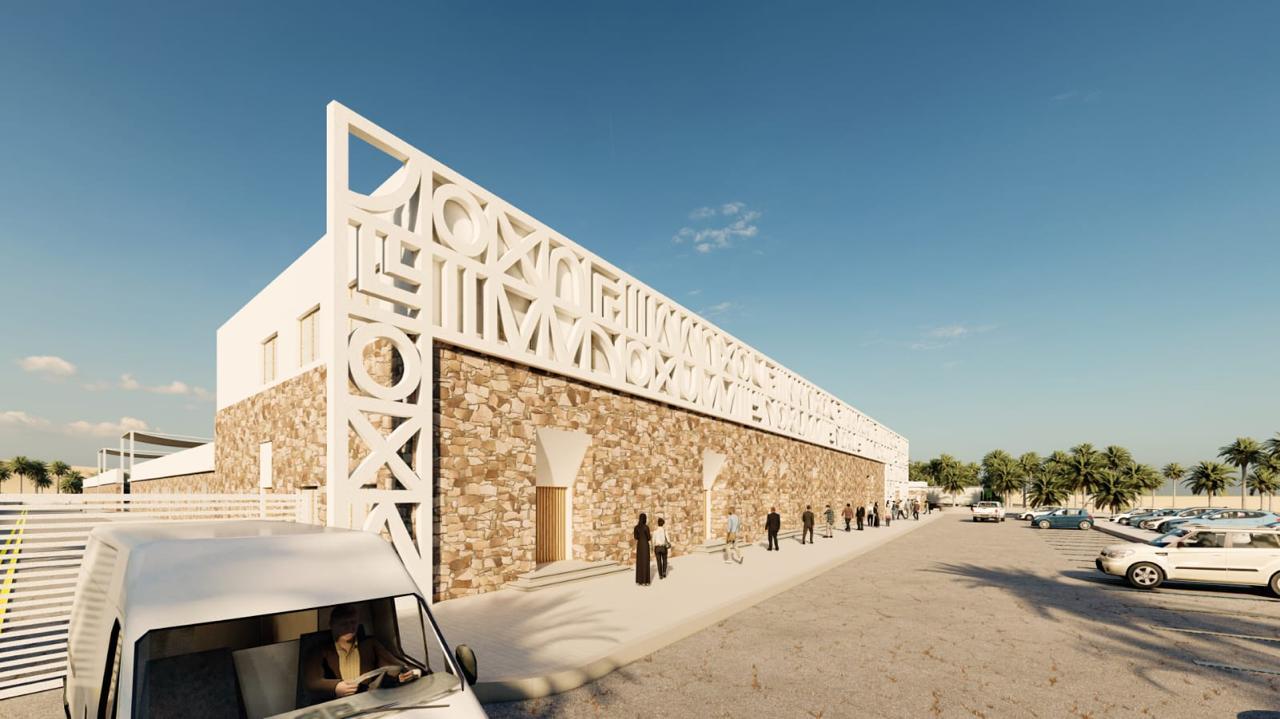
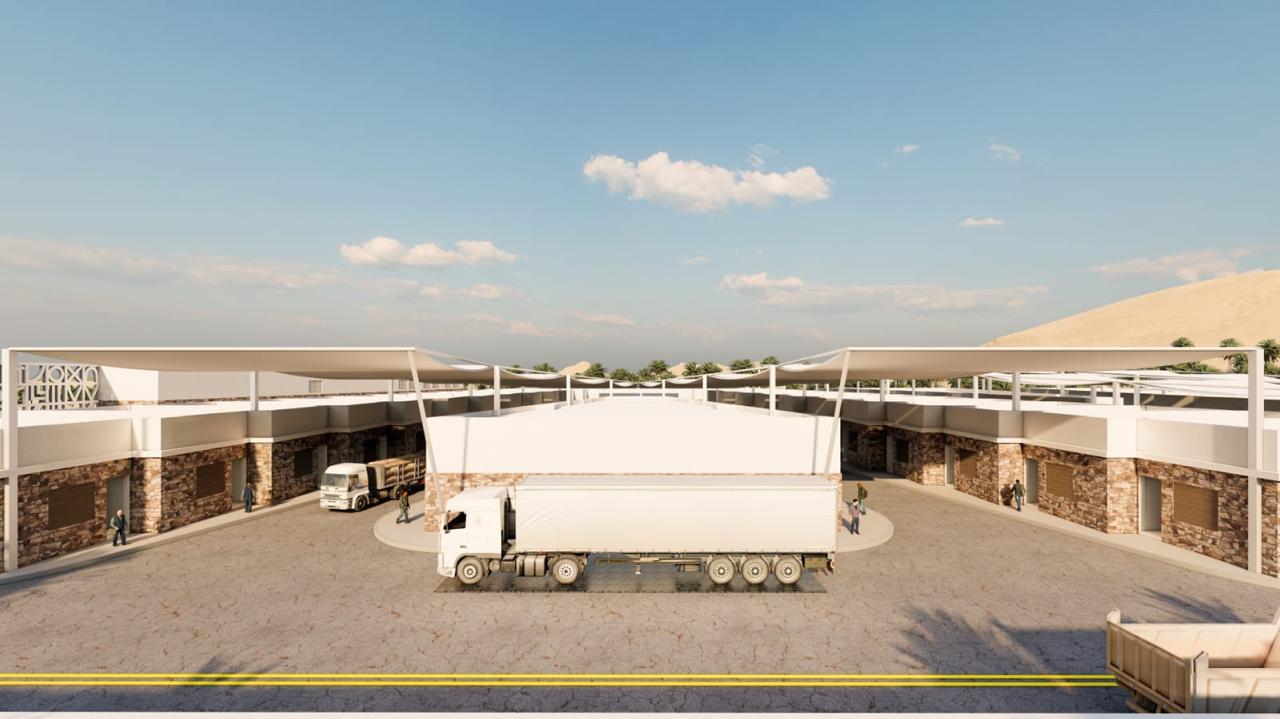
Dr. Manal Awad emphasized that this project marks a qualitative leap in developing wholesale markets in Luxor. It will help organize the trade flow of fruits and vegetables, improve working conditions for traders, provide more efficient services for citizens, reduce agricultural product waste, and enhance oversight on food commodity trading. Additionally, it is expected to create direct and indirect job opportunities during both implementation and operational phases.
The Minister called for strict adherence to the project’s timeline and continuous field monitoring of implementation rates to ensure completion according to high technical and engineering standards while maximizing benefits from the project.
According to Dr. Manal Awad, construction activities are progressing according to schedule, with expectations for phase one to be completed and operational by the end of 2026. This initiative aims to support local economic development and improve service quality for citizens and traders in Luxor.
The report noted that the existing Al-Habeel market in Al-Bayadiyah serves as the only wholesale market for fruits and vegetables in Eastern Luxor, supplying the city itself. Thus, its development into a more suitable location is essential to provide a modern market that meets urban growth demands while utilizing the current site for service-oriented projects that meet residents’ needs.
Dr. Saeed Helmy highlighted that selecting a new site for the project outside urban boundaries allows for future horizontal expansion and accommodates various development phases, ensuring sustainability as it adapts to future needs.
The project has garnered full support from current traders at the existing market. Their needs were taken into account when designing plans to ensure an organized transition to the new market while maximizing available resources.
Regarding project execution status, it was reported that engineering designs have been completed along with bid preparation procedures, with actual construction work already underway at the site following waste removal and site preparation.
The first phase aims to relocate existing traders—totaling 36—into the new market without disrupting commercial activities while significantly enhancing working conditions and services provided. The project includes ten modern units for selling fruits and vegetables, each measuring 600 square meters, totaling 60 diverse commercial units—55 units at 100 square meters each and five units at 200 square meters—alongside designated areas for fruit trade and shaded zones for displaying agricultural products as well as weighing scales to facilitate market operations.
The report also mentioned plans for a comprehensive building dedicated to sorting and receiving goods, refrigerated storage rooms, packing centers aimed at minimizing agricultural product waste while improving traded goods’ quality. Furthermore, it incorporates an integrated waste management system designed to recycle market waste, supporting environmental aspects of the project while enhancing economic sustainability.
In terms of administrative services, there will be a complete administrative headquarters established on an area of 900 square meters featuring meeting rooms, administrative offices, bank branches, and necessary support services catering to traders interacting with the market.
Comments