

Foreign Minister Calls Mediterranean Charter a Key Step in Deepening Euro-Mediterranean Partnership
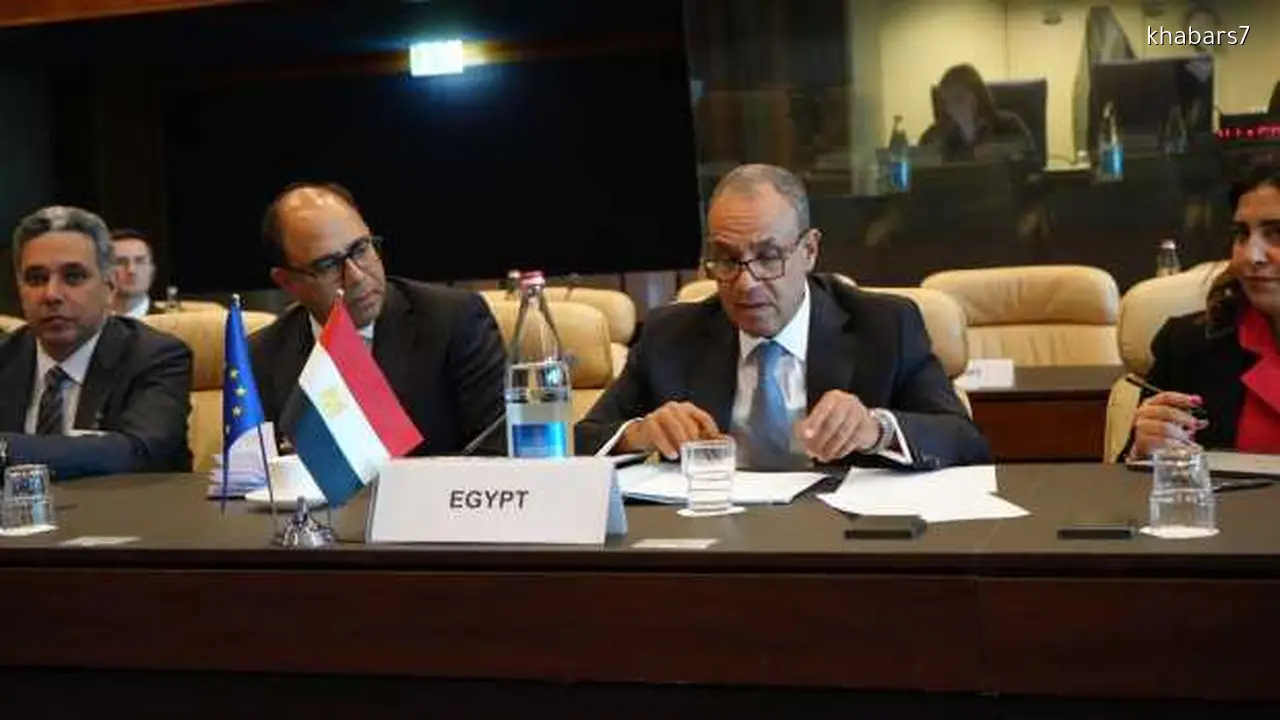
Egypt-EU Partnership Council.
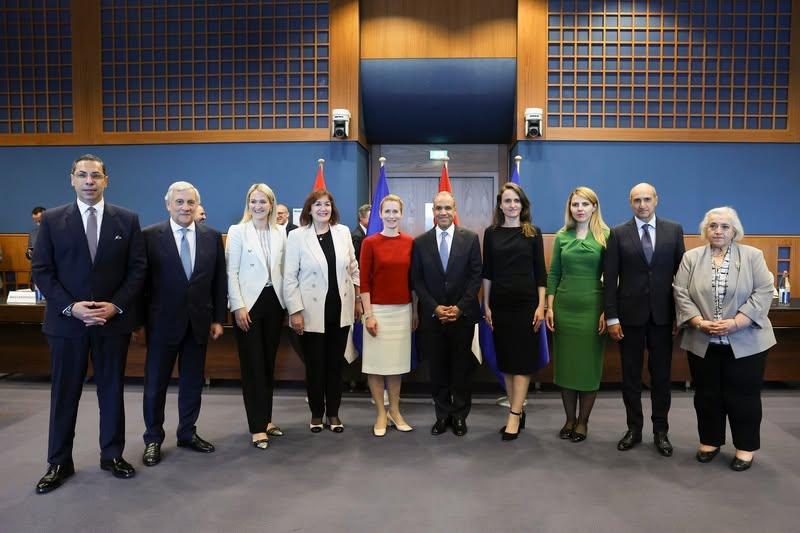
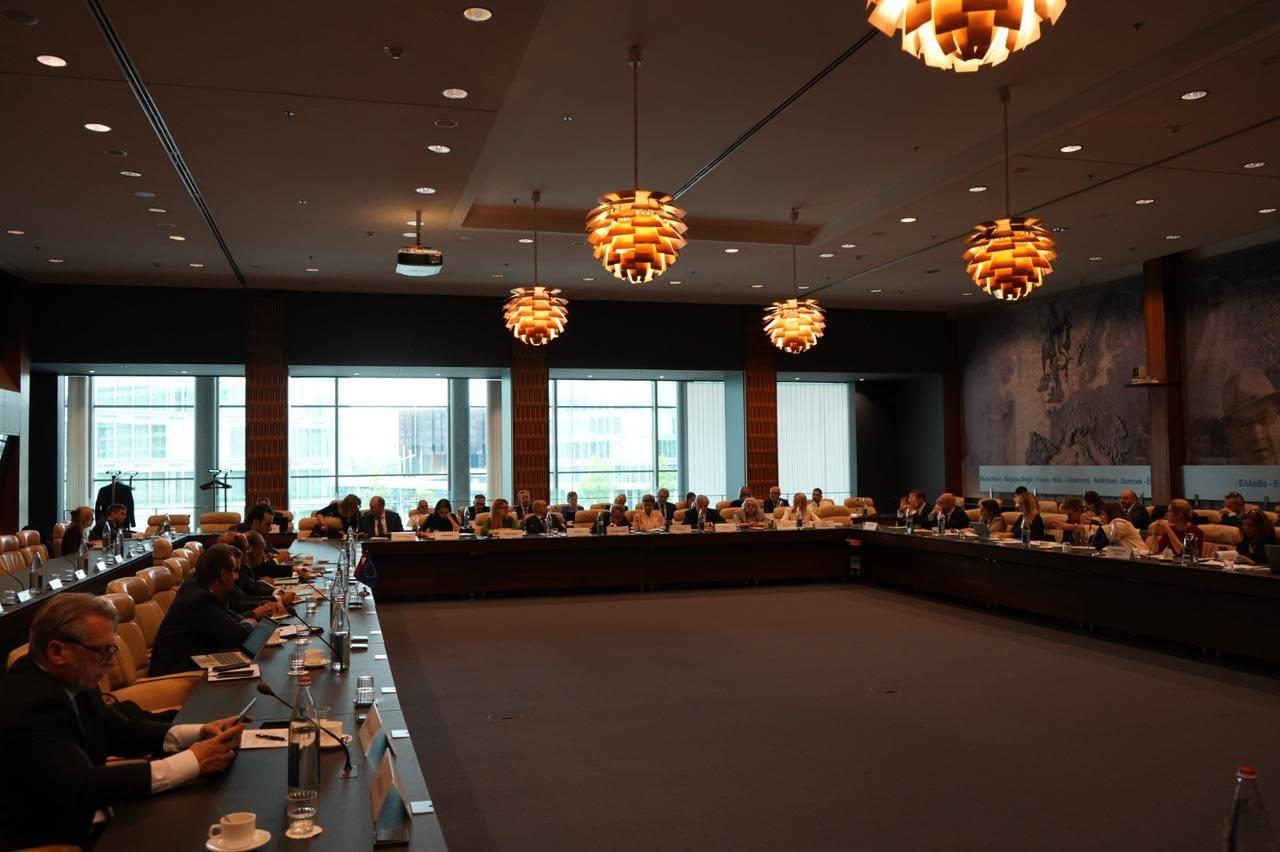
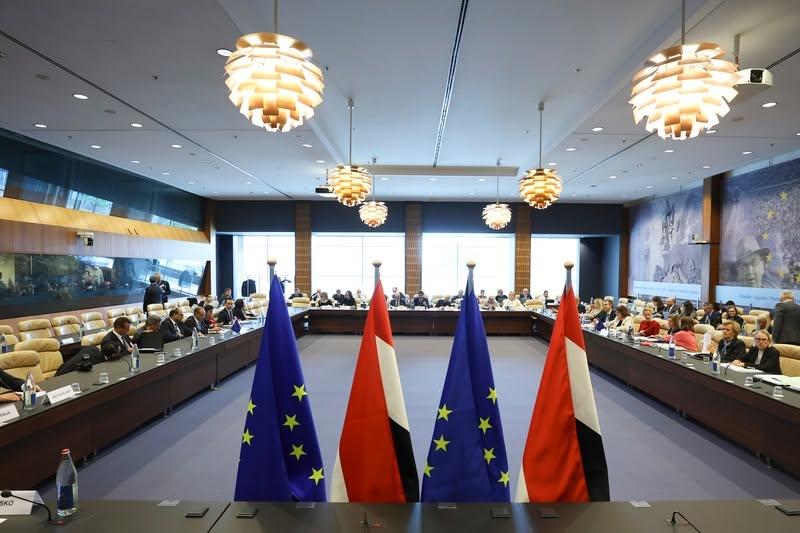
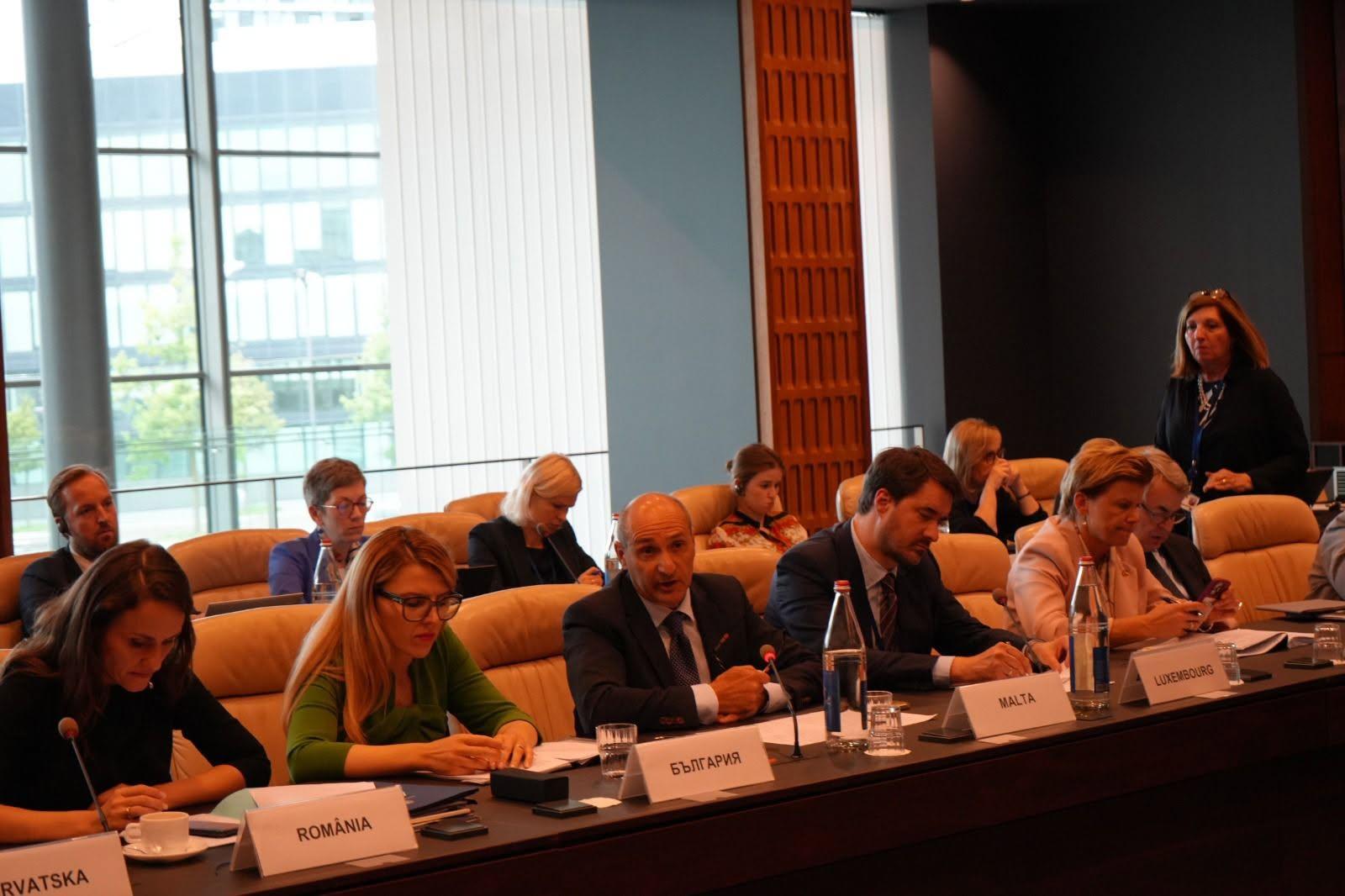
Dr. Badr Abdel Aty, Egypt’s Minister of Foreign Affairs and International Cooperation, chaired the eleventh meeting of the Egypt-European Union Partnership Council on Monday. The meeting included high-level officials such as Josep Borrell, the EU’s High Representative for Foreign Affairs and Security Policy, and Dubravka Suica, the European Commissioner for the Mediterranean, along with over ten foreign ministers from EU member states.
During his opening remarks, Ambassador Tamim Khalaf, the official spokesperson for the Ministry of Foreign Affairs, stated that Minister Abdel Aty emphasized that this meeting marks the first gathering of the Partnership Council under the comprehensive strategic partnership established between Egypt and the EU in March 2024. He noted that it provides an opportunity to assess progress in bilateral relations since the launch of this partnership across six key areas while exploring a more ambitious vision for future cooperation amidst geopolitical challenges. This aims to enhance both parties’ efforts towards achieving peace, stability, prosperity, and sustainable development in the Mediterranean region.
Minister Abdel Aty highlighted that the first Egyptian-European summit held in Brussels in October 2025 was a historic milestone in bilateral relations and expressed anticipation for a second summit to be hosted in Egypt in 2027.
He also stressed the increasing importance of security cooperation between Egypt and the EU, reviewing the launch of their inaugural security and defense dialogue in March 2026 and a second round of bilateral counter-terrorism discussions scheduled for January.
In terms of economic collaboration, Minister Abdel Aty reaffirmed that economic cooperation remains a cornerstone of their strategic partnership. He pointed to ongoing European investments and collaborations in energy sectors such as green hydrogen. Furthermore, he noted momentum from the Egyptian-European Investment Conference held in Cairo in 2025 and a high-level investment event conducted in Brussels that same year.
The minister outlined structural reforms undertaken by Egypt to improve its business environment and enhance private sector involvement. He emphasized that Egypt’s strategic location, infrastructure, and large market present promising opportunities for joint manufacturing and supply chain development while looking forward to deepening trade relations between both sides.
Minister Abdel Aty also expressed appreciation for EU support regarding economic reforms and financial stability while highlighting existing cooperation in education, research, and skills development through programs like “Horizon Europe” and “Erasmus.”.
He underscored the necessity of developing cooperation on migration and mobility issues through a long-term strategic vision that transcends short-term crisis management. The minister called for enhanced Egyptian-European coordination concerning current regional issues, particularly conditions in Gaza and regional escalations to facilitate sustainable solutions ensuring security and stability.
Concluding his remarks, he reiterated that the Mediterranean region should serve as a shared space for growth, innovation, and economic integration. He welcomed the launch of the “Mediterranean Charter” as an important step towards deepening Euro-Mediterranean partnerships while reaffirming Egypt’s commitment to working with European partners based on mutual respect and shared responsibility to achieve tangible results benefiting both peoples.
The meeting also included discussions on various regional and international issues of mutual interest. Minister Abdel Aty reviewed Egypt’s diligent efforts to support negotiations between the United States and Iran leading up to today’s agreement.
Regarding Palestinian affairs, he emphasized its centrality while calling for regional and international collaborative efforts to fulfill obligations outlined in President Trump’s peace plan’s initial phase. This includes ensuring sustained humanitarian access to Gaza, deploying an international stabilization force to monitor ceasefire compliance, securing humanitarian assistance access, and enabling national committees to manage Gaza until Palestinian authorities can resume their responsibilities fully. He warned about escalating conditions in the West Bank due to increased settlement activities alongside ongoing Israeli violations against holy sites and land confiscation.
The discussions also covered developments regarding Libya, Lebanon, regions within East Africa including Somalia and Sudan, water security issues concerning Egypt as well as ongoing concerns related to Ukraine. Minister Abdel Aty provided insights into Egypt’s positions on these various topics.


Comments