

Minister of Water Resources Advocates Local Manufacturing for Water Station Parts
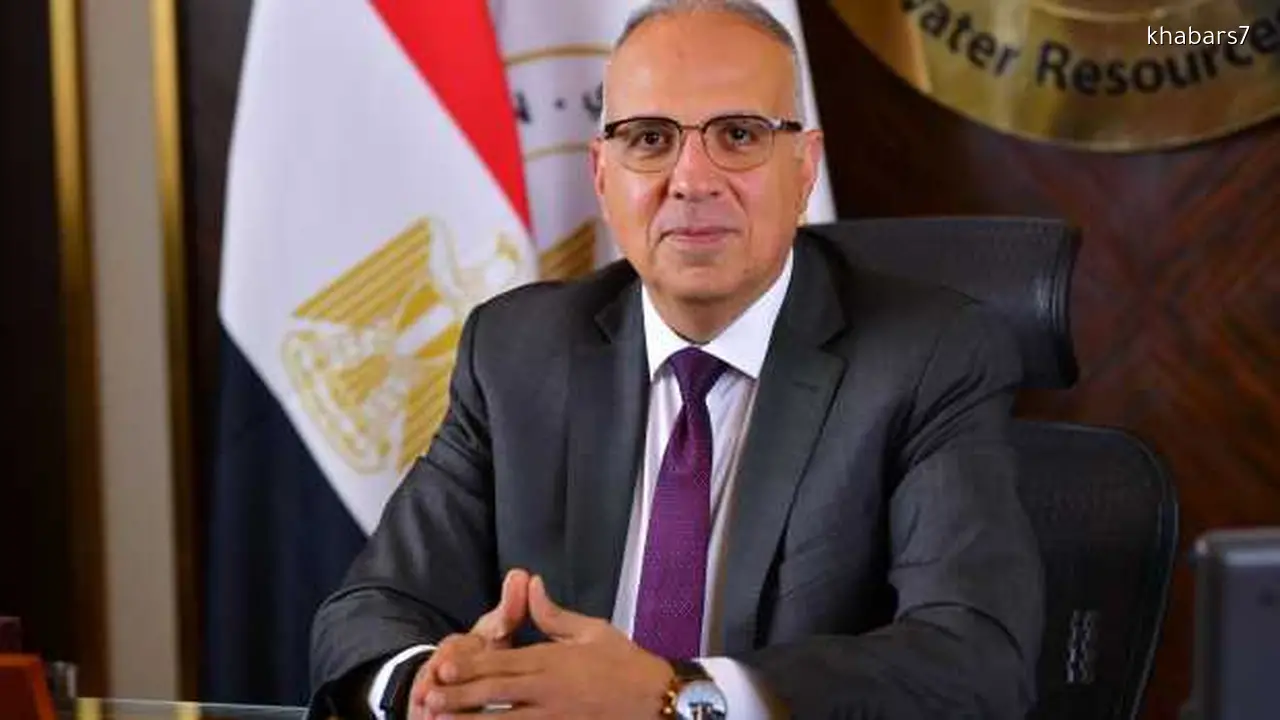
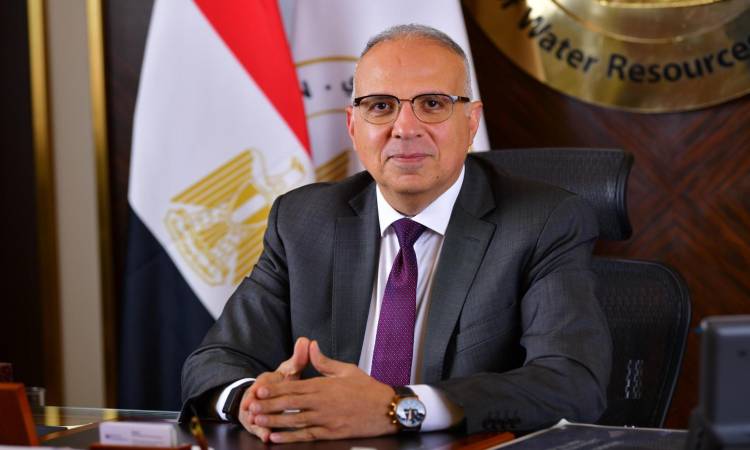
Hani Sewil, Minister of Water Resources and Irrigation.
Dr. Hani Sewil, the Minister of Water Resources and Irrigation, convened a meeting to review the comprehensive plan aimed at enhancing the Mechanical and Electrical Authority.
The plan focuses on improving the efficiency of water lifting stations across the country through replacement and renewal programs, the establishment of new stations, modernization of electromechanical equipment, and expanding the use of smart monitoring and control systems (SCADA). It also aims to promote solar energy and clean energy usage to reduce energy consumption and carbon emissions.
During the meeting, the plan developed in collaboration with the National Water Research Center was presented. This plan aims to improve operational efficiency and maintenance while enhancing water service sustainability through eight main areas, including institutional analysis, upgrading mechanical and electrical infrastructure, transitioning to renewable energy, digital transformation, automating operational systems, and governing mechanical systems. The meeting also reviewed efforts to enhance station efficiency, support emergency response readiness, and assess ongoing projects.
Dr. Sewil emphasized the importance of balancing replacement operations with maintenance efforts in accordance with an economic study conducted for each station individually.
He highlighted the significance of investing in human resources by coordinating with the Holding Company for Drinking Water and Wastewater to utilize its technical school for training technicians for ministry roles. Additionally, plans are underway to establish five technical schools for water technology under a dual education system to prepare qualified technical personnel that meet the sector’s needs.
Moreover, he directed an expansion in local manufacturing for spare parts needed for lifting stations to support local industry in electromechanical equipment components. This initiative will include partnerships with the private sector (PPP) for managing operations and maintenance of several lifting stations under a structured system that ensures operational efficiency and service quality while gradually implementing this approach with periodic evaluations.
Dr. Sewil stressed increasing solar energy use at lifting stations to reduce reliance on fossil fuels and lower carbon emissions. He called for continued study of proposed models and leveraging available resources in this area to support green economy efforts in coordination with the Ministry of Electricity and Renewable Energy.
In conclusion, Dr. Sewil urged maximizing human resource utilization by redistributing staff according to actual needs while developing a comprehensive plan for capacity building aimed at enhancing engineers’ and technicians’ skills along with obtaining specialized professional accreditations to support operational efficiency improvements.
Comments