

Sisi Emphasizes Need to Improve Electricity Supply Quality and Fuel Efficiency
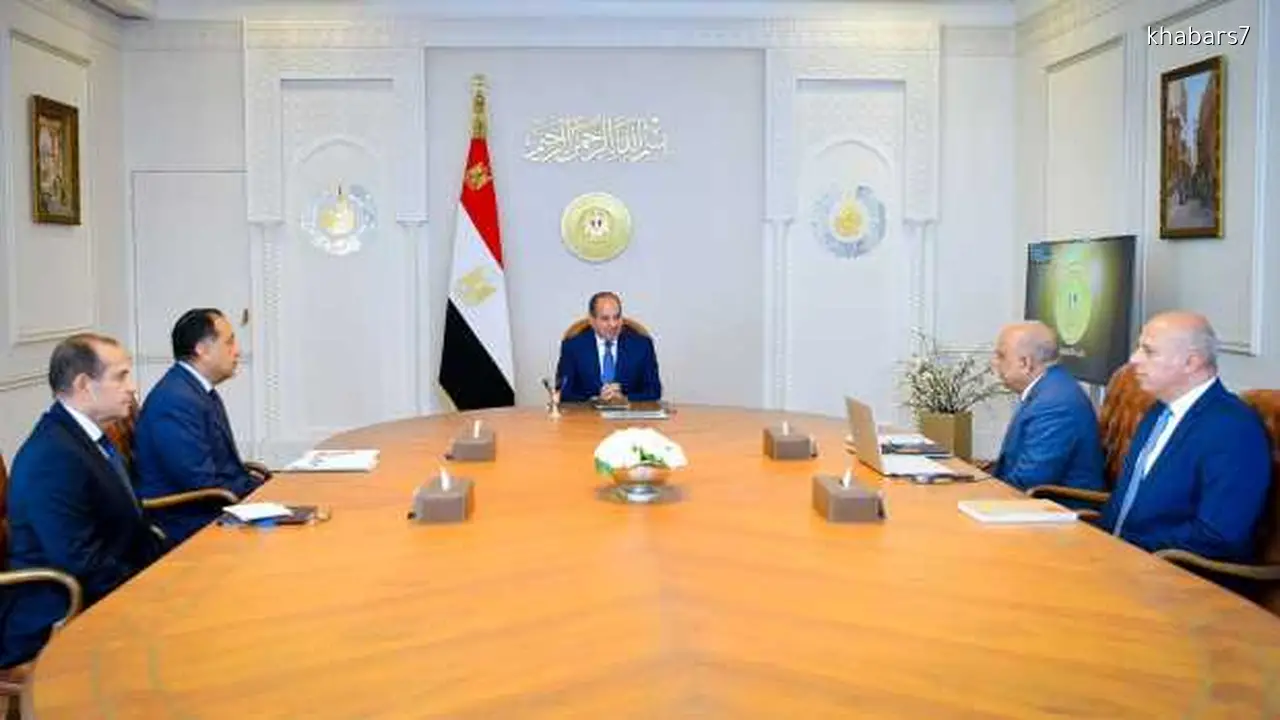
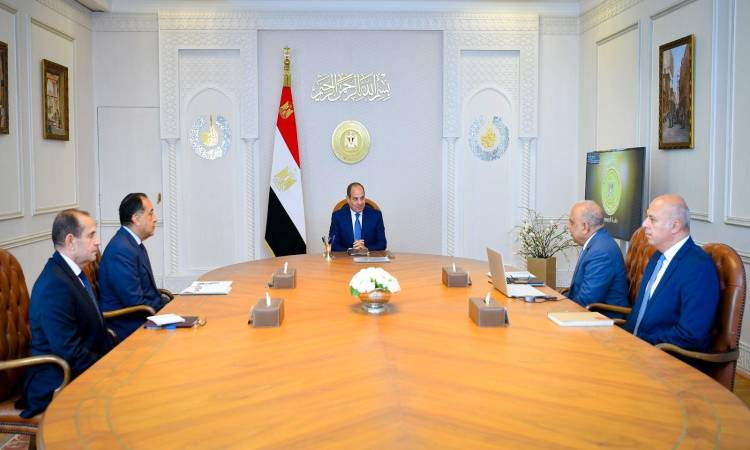
اجتماع الرئيس السيسي.
On Sunday, President Abdel Fattah El-Sisi met with Prime Minister Mostafa Madbouly and Minister of Electricity and Renewable Energy Mohamed Shaker to discuss the status of the second phase of projects aimed at strengthening the national electricity grid.
During the meeting, Ambassador Mohamed El-Shenawy, the official spokesperson for the Presidency, noted that there are approximately 105 projects in this phase. The Minister of Electricity provided an update on these projects and discussed the integration of renewable energy projects into the electricity grid by 2027, including solar and wind energy initiatives.
President El-Sisi stressed the importance of improving the quality of electricity supply, enhancing the efficiency of traditional fuel usage, and ensuring the stability of the national grid. He emphasized adherence to the established timeline for project implementation and their integration into the grid to support national efforts in energy transition and sustainable development.
The spokesperson added that the meeting also covered strategies for implementing solar energy projects and energy storage batteries. This is part of a timeline aimed at increasing renewable energy’s contribution to Egypt’s energy mix to 45% within two years, alongside expanding the establishment of grid-connected storage facilities and independent power stations.
Dr. Mohamed Shaker also reported on the operational progress of the first phase of the Obelisk solar power plant with a capacity of 500 megawatts and a connected energy storage facility with a capacity of 200 megawatt-hours, both integrated into the grid earlier this year. He discussed plans for connecting the second phase of this plant, also with a capacity of 500 megawatts, expected to be linked to the grid in the coming weeks as part of ongoing efforts to incorporate new solar and wind capacities this summer.
The President urged regular monitoring and review of renewable energy projects at all stages—operational or under construction—while encouraging continued collaboration with all relevant state institutions and partnerships with local and foreign private sectors involved in executing these projects under Egypt’s national energy strategy. This includes implementing solar and wind power initiatives as well as energy storage systems using local currency.
He reiterated the necessity for expanding energy storage systems to maximize returns from renewable energies while ensuring grid stability.
The Minister also highlighted developments regarding the Energy Valley project, one of the largest integrated clean energy projects globally. It will generate 1.7 gigawatts from photovoltaic solar power entirely in Minya Governorate, supported by battery storage systems with a total capacity of 4 gigawatt-hours distributed across Minya, Qena, and Alexandria.
The President underscored these projects’ significance in enhancing plans for electricity and renewable energy sectors aimed at promoting renewable energy usage, reducing carbon emissions, and diversifying energy sources. He emphasized that localizing industries related to renewable energy is essential for strengthening energy security and achieving green transition.
Comments