

Prime Minister Emphasizes Continuous Monitoring of Drug Supply in Egypt
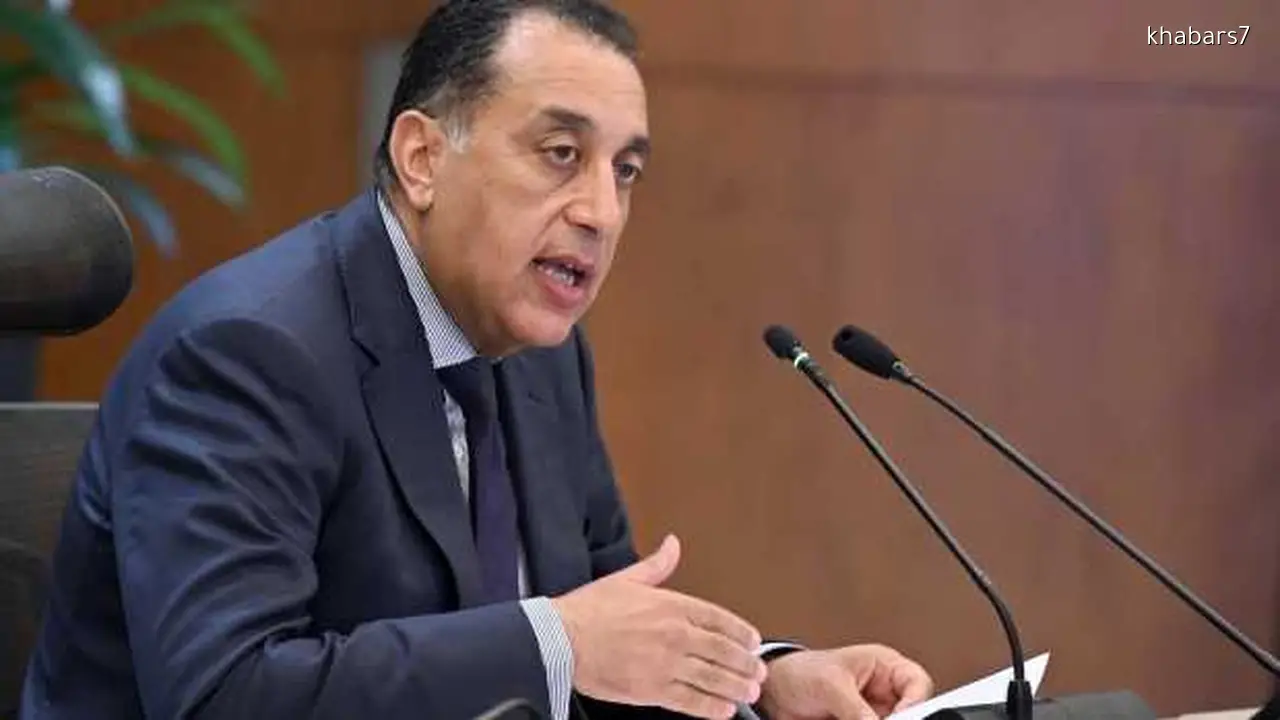
Dr. Mostafa Madbouly, the Prime Minister of Egypt, held a meeting on Tuesday evening to review the status of drug and medical supply availability, as well as the payment of dues to pharmaceutical companies.
The meeting was attended by several key officials, including Dr. Khaled Abdel Ghaffar, Minister of Health and Population; Ahmed Kouchouk, Minister of Finance; Dr. Abdel Aziz Qansouh, Minister of Higher Education and Scientific Research; Dr. Mohamed Awad Tag El-Din, Presidential Advisor for Health and Prevention; Dr. Ali Al-Ghamrawi, Head of the Egyptian Drug Authority; Dr. Hisham Sitiat, Chairman of the Egyptian Unified Procurement Authority; Mohamed Abu Mousa, Assistant Governor of the Central Bank; Dr. Hani Rashid, Vice Chairman of the General Authority for Health Care; along with representatives from relevant ministries and agencies.
At the start of the meeting, Prime Minister Madbouly highlighted the government’s commitment to continuously monitor the availability of various types of drugs and medical supplies. He emphasized ensuring their sustainability in sufficient quantities to support national efforts in improving healthcare systems and achieving drug security.
He also stressed the importance of enhancing coordination among relevant entities to monitor strategic stockpiles of drugs and raw materials regularly, assessing local market needs, and implementing necessary measures to ensure consistent production and supply operations. Furthermore, he called for supporting local drug manufacturing initiatives to increase domestic content ratios.
During the meeting, Dr. Khaled Abdel Ghaffar presented a comprehensive report on the current status of drugs available in Egypt, detailing stocks for emergency medications as well as treatments related to various health conditions such as cardiovascular diseases, respiratory issues, digestive disorders, eye treatments, mental health medications, obstetric drugs, anticoagulants, dental anesthetics, pain relievers, poison treatments, diabetes medications, gland treatments, cancer therapies, anesthetics among others.
Additionally, he reviewed the current availability of medical supplies including those for radiology and dialysis procedures alongside surgical materials used in vascular surgeries and cardiac operations.
Dr. Hisham Sitiat discussed the unified medical supply system “MedIQ,” a digital platform designed to connect procurement data with strategic stock levels across health entities to enhance governance in medical systems and improve decision-making processes.
The system aims to manage healthcare inventory effectively while ensuring rapid response capabilities to reduce equipment downtime.
Moreover, Dr. Al-Ghamrawi elaborated on efforts by the Egyptian Drug Authority to strengthen drug security by securing strategic stockpiles through approved financial initiatives that will ensure a stable supply for at least three months amid potential disruptions in supply chains.
He noted that financing has been allocated for securing 216 essential medications without alternatives and 484 active pharmaceutical ingredients.
The discussion also included ongoing production efforts with high-capacity pharmaceutical companies focusing on priority medications such as those needed for intensive care units and pediatric wards.
Dr. Al-Ghamrawi reported that currently there are about 8,500 traded medications with approximately 1,800 being actively monitored.
He indicated that 80% of essential medicines have coverage rates reaching six months’ supply while highlighting ongoing digital transformation efforts aimed at monitoring drug availability effectively.
Furthermore, he addressed plans to expand “Ambulance” pharmacies under the Unified Procurement Authority across Egypt’s regions to mitigate shortages by linking major pharmacy chains with an electronic monitoring system.
In conclusion, Mohamed Abu Mousa from the Central Bank assured that the banking sector is prepared to provide foreign currency for governmental institutions or private sector entities involved in importing medicines or medical supplies without any pending foreign currency requests at any bank within this sector.
Comments