

Egypt’s National Committee Achieves Milestones in Education and Science for 2025-2026
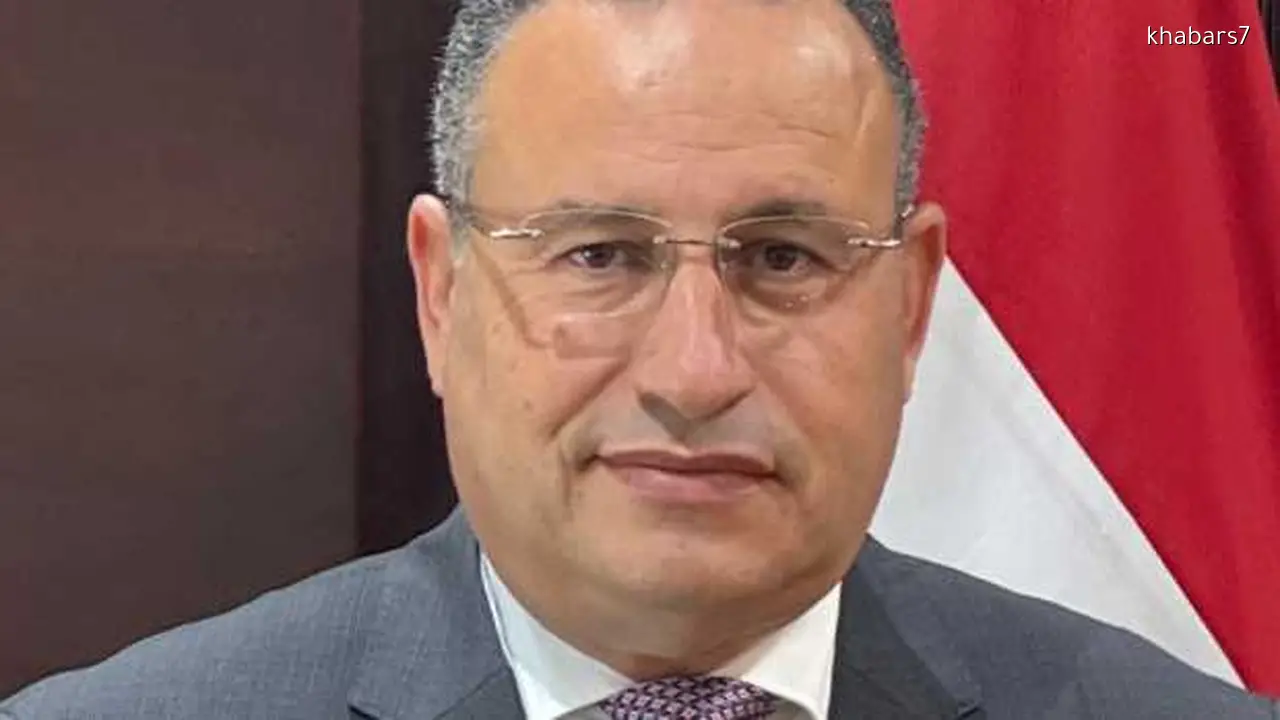
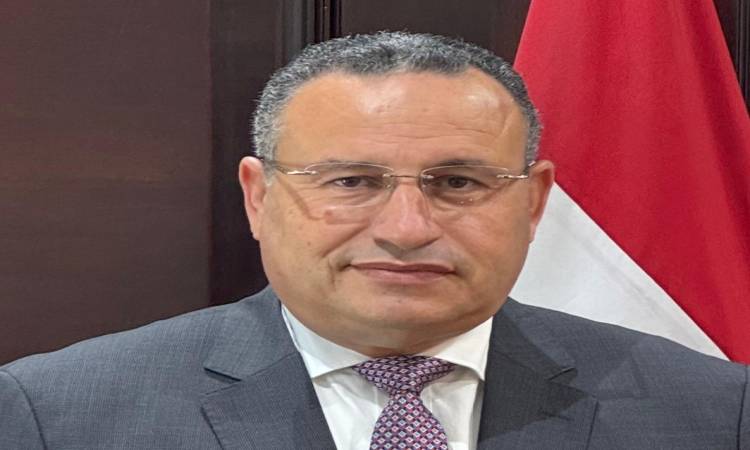
Minister of Higher Education.
The Egyptian National Committee for Education, Science, and Culture has made significant strides during the fiscal year 2025/2026, enhancing Egypt’s standing within UNESCO, ISESCO, and ALECSO. This progress was achieved through a series of programs, initiatives, and projects that have national and international impact across education, science, culture, capacity building, and innovation.
This development aligns with Egypt’s strategic focus on maximizing international cooperation and integrating efforts in education, scientific research, innovation, and culture with developmental priorities.
During the 2025/2026 period, the committee executed 56 activities and programs in education, science, culture, capacity building, innovation, and sustainability in collaboration with international organizations, universities, research centers, and national entities.
One of the committee’s most notable achievements was the election of Dr. Khaled Anany as Director-General of UNESCO, marking him as the first Arab and the second African to hold this position.
In terms of UNESCO Chairs, Egypt successfully established a UNESCO Chair for Transboundary Water Management at the National Water Research Center. Additionally, a new chair in Architecture and Urbanism was created at the International Academy of Architecture and Urbanism. The UNESCO Chair for Underwater Cultural Heritage at Alexandria University was also activated to bolster scientific research and sustainability.
Cairo, Mansoura, and Shebin El-Kom joined UNESCO’s Global Network of Learning Cities, bringing the total number of Egyptian cities in this network to ten. Furthermore, Giza province joined the Creative Cities Network in the field of film.
In collaboration with ISESCO, Egypt renewed its presidency of ISESCO’s General Conference and launched the second phase of the “Be Prepared” initiative aimed at equipping one million youth with future skills. Additionally, a scientific research chair initiative was launched in partnership with Egyptian universities.
Thirty-three Egyptian projects were selected as part of ISESCO’s 2026–2030 plan. The Dendera Temple and historical houses in Rashid were registered on the Islamic World Heritage list.
On ALECSO’s front, Cairo hosted the organization’s executive council meeting where Egypt’s proposal to establish a center for career support and training for Arab youth was approved. Programs aimed at supporting startups and promoting innovation and digital transformation were also discussed.
Dr. Abdelaziz Kansoah, Minister of Higher Education and Scientific Research, emphasized that these achievements reflect Egypt’s vision to enhance its international presence. He noted that future projects will focus on innovation initiatives that support scientific research while preserving heritage to boost higher education competitiveness aligned with Egypt’s Sustainable Development Vision 2030.
Dr. Ayman Farid, Assistant Minister and Head of Cultural Affairs Sector and Secretary-General of the National Committee stated that these efforts showcase a shift from institutional coordination to implementing projects with national and international significance.
Dr. Adel Abdel Ghaffar, media advisor and official spokesperson for the ministry highlighted that these accomplishments signify Egypt’s growing role within UNESCO, ISESCO, and ALECSO through programs promoting innovation, capacity building preservation of heritage while enhancing international cooperation.
Comments