

Asyut Governor Reports 241,000 Tons of Wheat Supplied Since Season Start
 Asyut" width="750" height="450" />
Wheat Supply in Asyut.
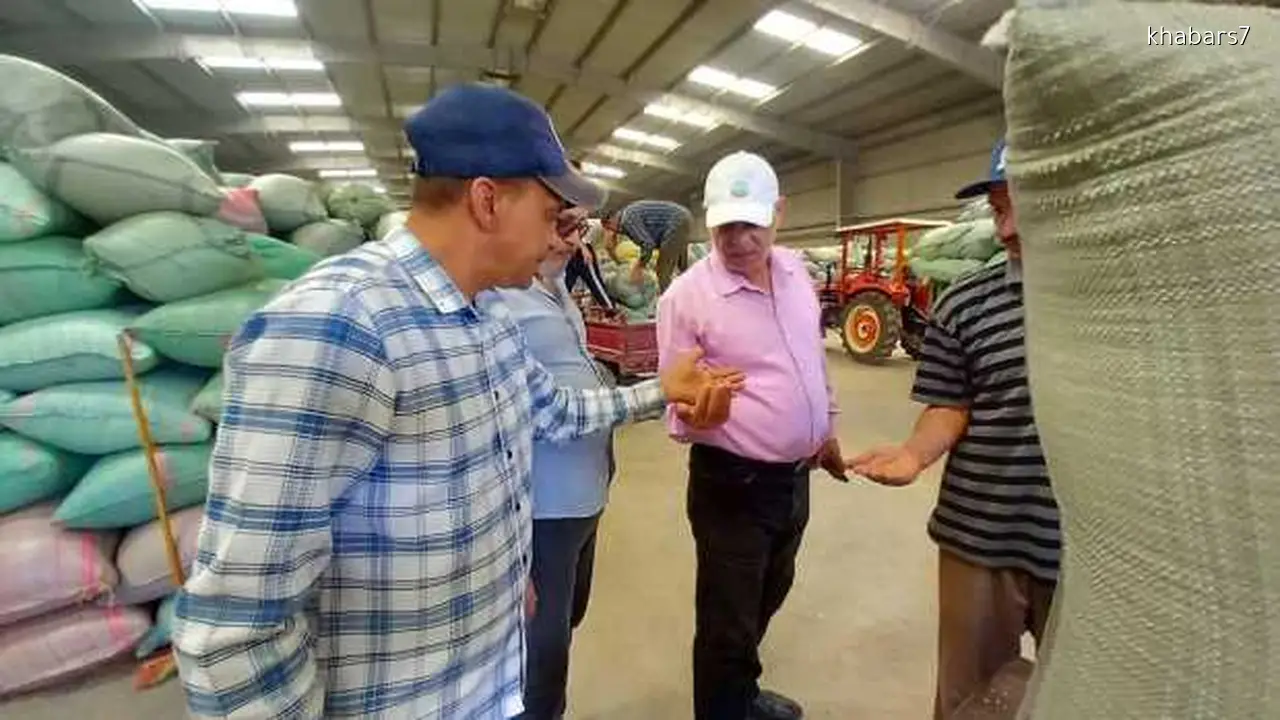
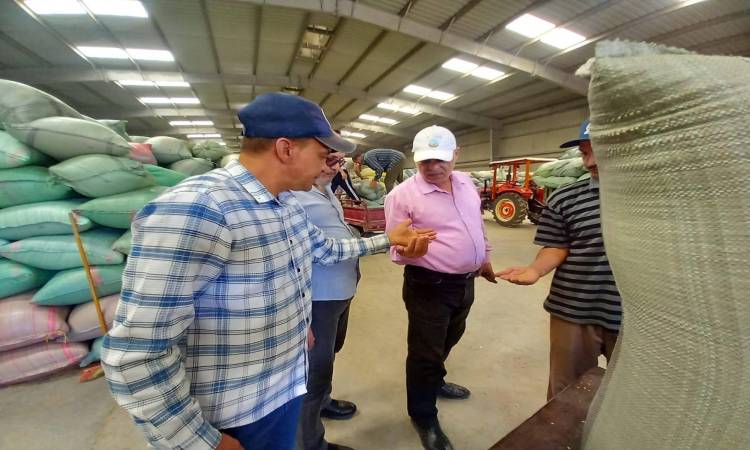
Mohamed Alwan, the Governor of Asyut, confirmed the smooth operations of local wheat supply across various approved storage sites in the governorate. Since the beginning of the 2026 supply season, approximately 241,000 tons have been received, reflecting the government’s efforts to enhance strategic reserves of essential commodities and ensure food security.
In a statement, Alwan noted that the supply system is under continuous monitoring to ensure efficient operations within the silos and designated storage facilities, adhering to technical standards that maintain the quality and safety of the crop for maximum benefit from local production.
The governor emphasized that executive bodies in the province are fully coordinating with relevant authorities to overcome any obstacles that may arise during the reception process. They are also providing necessary support to farmers and suppliers to increase supply rates and meet targets for the current season.
Daily monitoring is conducted through operations rooms and specialized committees to track supply movements and ensure storage sites are prepared and functioning smoothly. The state places significant importance on wheat as a key strategic crop within its food security framework.
Alwan also highlighted ongoing coordination between the Ministry of Supply and Internal Trade, led by Engineer Khaled Mohamed, Deputy Minister of Supply in Asyut, and the Ministry of Agriculture, headed by Engineer Mohamed Abdel Rahman, Deputy Minister of Agriculture in Asyut. This collaboration ensures seamless supply operations and immediate response to any observations during the season.
The governor praised farmers for their commitment to delivering their crops to official locations. He reiterated that the province will continue to provide all necessary support and create conducive conditions for a successful season, aligning with national objectives to increase reliance on local production and support sustainable agricultural development plans.
Comments