

Egypt and Japan Partner to Enhance Universal Health Insurance System
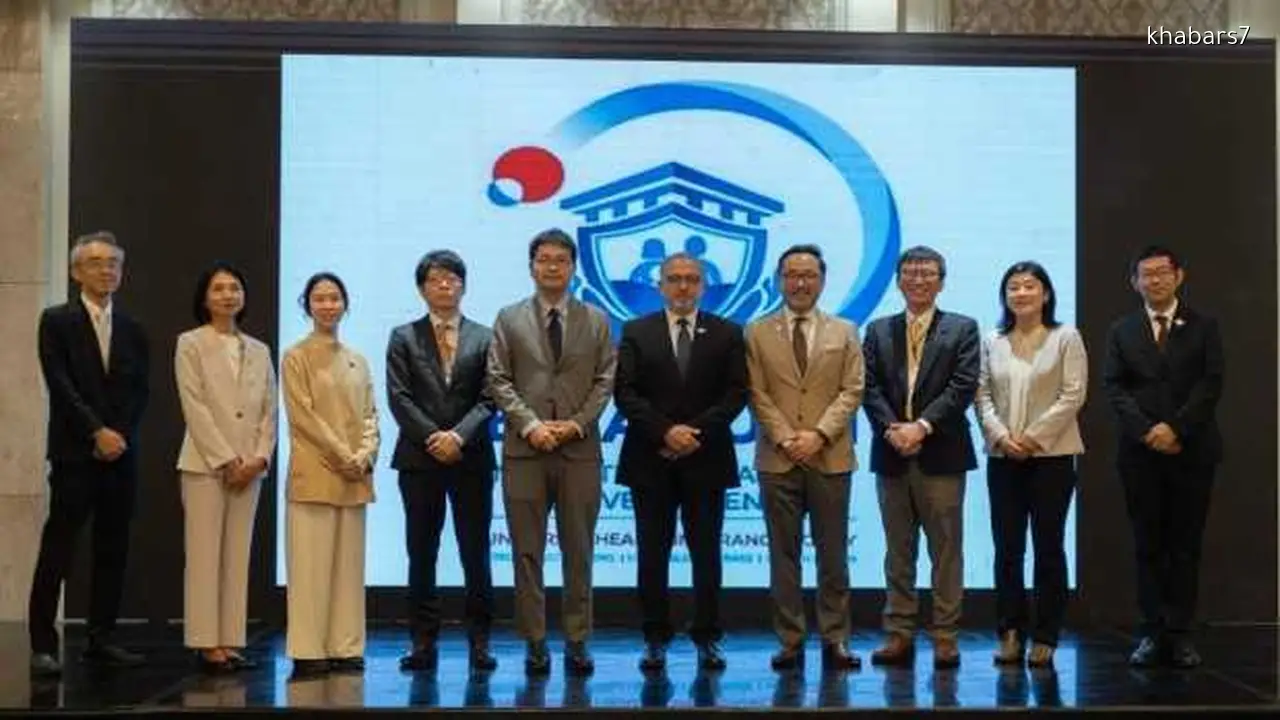
Signing of the Egyptian-Japanese partnership.
The Japan International Cooperation Agency (JICA) has launched the second phase of its technical assistance project aimed at enhancing the capabilities of Egypt’s Universal Health Insurance Authority (UHIA). The initiative, named E-TACUMI (Egypt – Technical Assistance for Capacity of UHIA Improvement), was inaugurated in a ceremony attended by key officials including Hossam Sadiq, Executive Director of UHIA, and other representatives from JICA and the Japanese Embassy in Egypt.
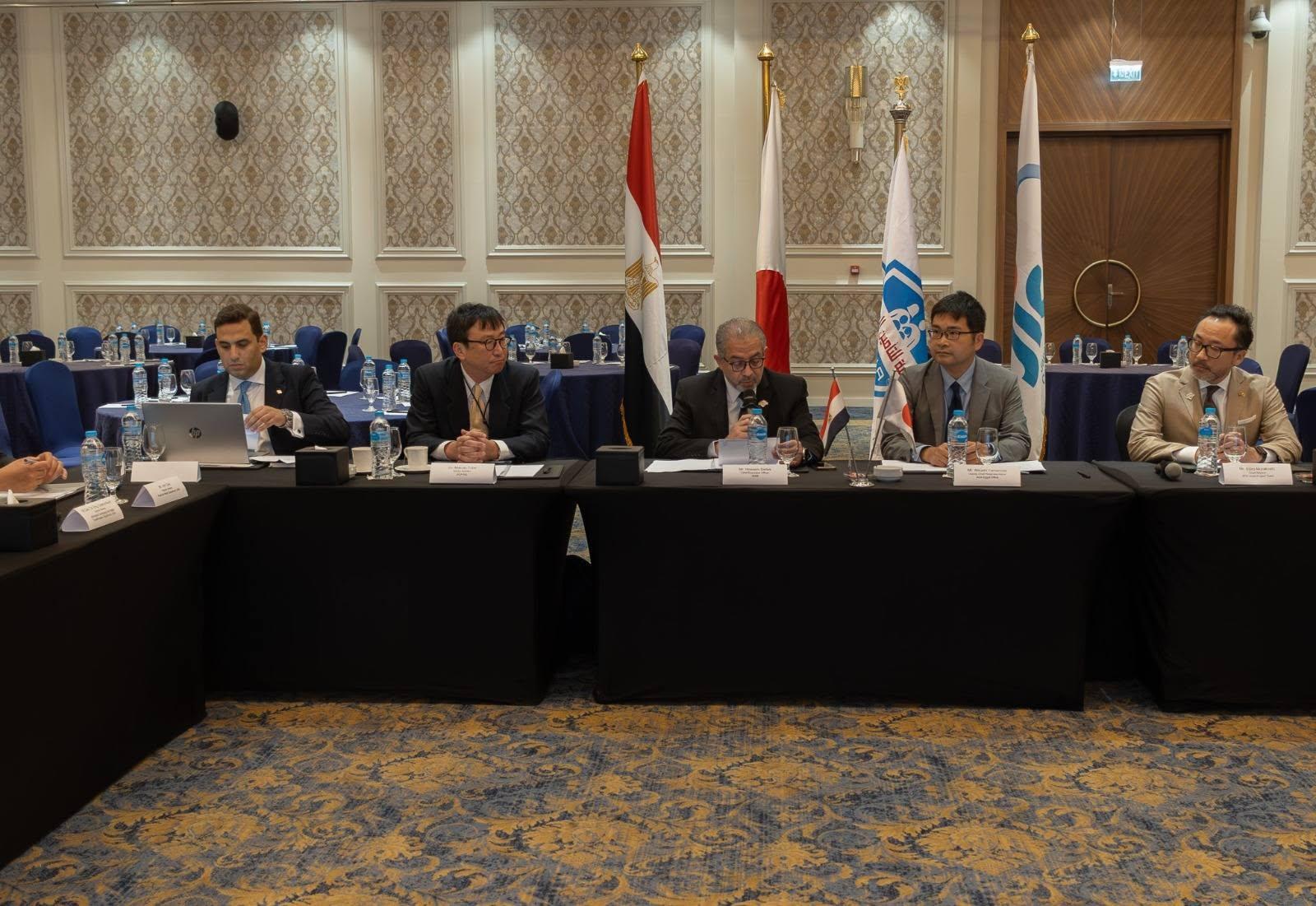
Prior to the launch event, the first meeting of the Joint Coordination Committee (JCC) was held to oversee project implementation. During this meeting, both Egyptian and Japanese sides discussed the proposed work plan, coordination mechanisms, and several technical adjustments related to the project documentation. This ensures a smooth transition from preparation to organized execution under a clear governance structure.
The JCC meeting also included a review and approval of the project’s work plan, which will run from April 2026 to February 2030. The focus will be on enhancing operational and institutional capacities within UHIA through three main areas: institutional management support, development of work procedures and training systems, improving subscription collection efficiency—especially for able individuals in the informal sector—and increasing private sector involvement in the universal health insurance system.
Additionally, updates on project team arrangements were discussed, along with approval of measurement indicators and baseline values within the project design matrix. The committee agreed on implementing JICA’s updated monitoring and evaluation methodology to support regular progress tracking, learning from execution, and timely corrective decisions.
Hossam Sadiq emphasized that convening this first JCC meeting is a significant step towards establishing joint governance for the project. He noted that this committee serves not just as an operational framework but as a key platform for ensuring coordination, monitoring, and mutual accountability between UHIA and its Japanese partners.
Sadiq highlighted that this project arrives at a crucial time as Egypt gradually expands its universal health insurance system across various governorates. This expansion necessitates building institutional capacities capable of managing growth efficiently while standardizing work procedures and sharing expertise between headquarters and branches.
The E-TACUMI project will focus on practical aspects that significantly impact health system sustainability. This includes developing standard operating procedures, creating technical training plans for staff at both headquarters and branches, and enhancing feedback mechanisms to ensure knowledge is embedded within UHIA’s institutional memory rather than being reliant solely on individuals.
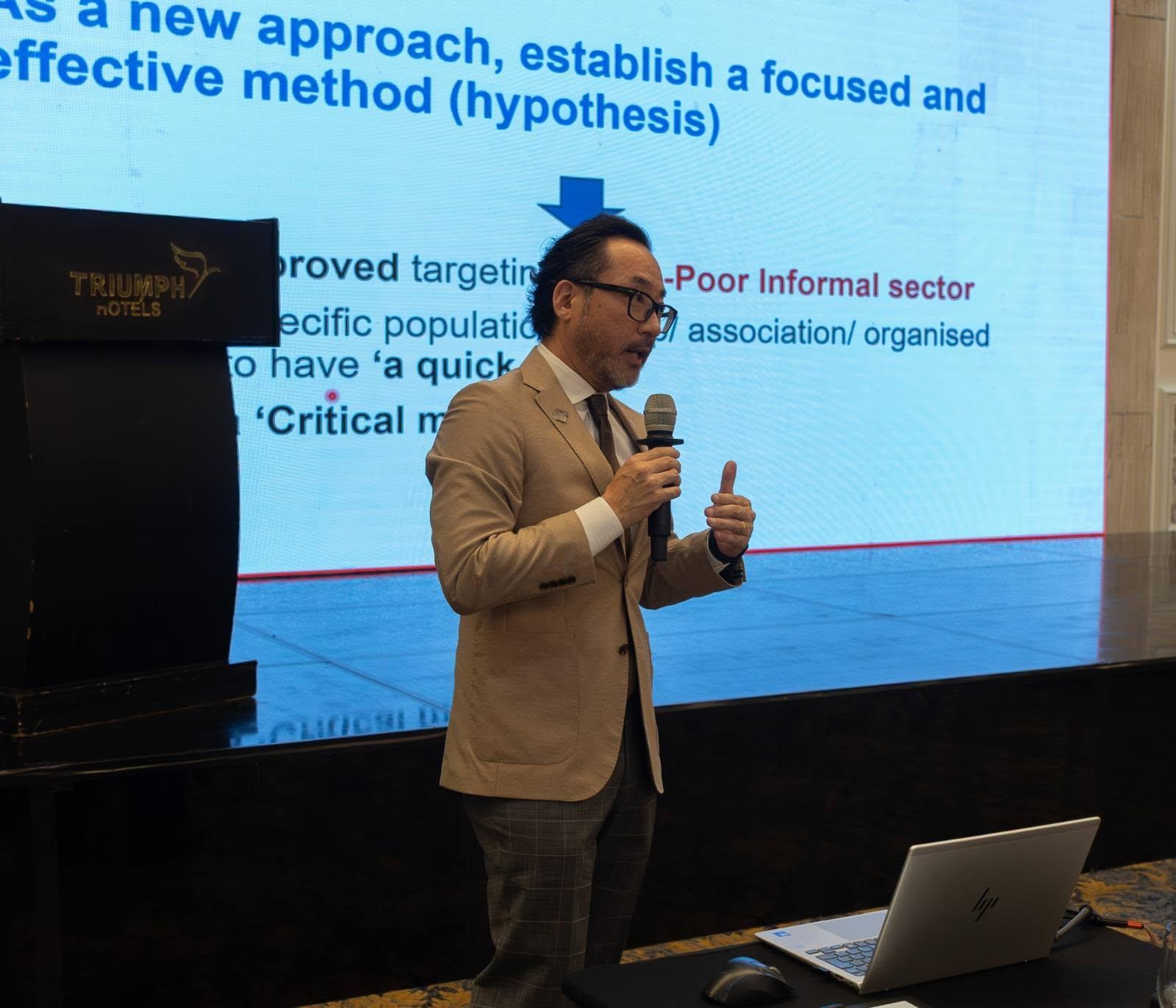
Moreover, Sadiq pointed out that one critical aspect of the project is supporting UHIA’s ability to reach able individuals in the informal sector by understanding their characteristics, needs, and appropriate communication channels. This effort aims to enhance registration rates and compliance with subscription payments while promoting equity and financial sustainability within the system.
Yu Ebisaawa, Chief Representative of JICA in Egypt, stated that launching E-TACUMI represents an important practical step in technical cooperation between JICA and UHIA. He emphasized that the project aims to strengthen institutional capacities necessary for enabling efficient and sustainable expansion of the universal health insurance system.
Ebisaawa outlined that JICA will collaborate closely with UHIA and its partners to enhance management mechanisms, improve operational efficiency, strengthen subscription collection systems, and expand private sector participation within the system—contributing to sustainable financing while improving services provided to citizens.
Yasuhiro Tsukamoto, Minister-Counselor at the Japanese Embassy in Egypt, expressed appreciation for launching this collaborative project between UHIA and JICA. He affirmed that this initiative reflects the depth of cooperation between Egypt and Japan across developmental sectors that directly impact citizens’ lives.
He added that supporting universal health insurance is one of the key areas of cooperation between both countries, especially given Egypt’s commitment to expanding comprehensive health coverage while enhancing financial protection for its citizens. Japan views this collaboration as a partnership based on mutual trust, knowledge exchange, and joint efforts toward developing a sustainable Egyptian model for universal health coverage that aligns with national priorities while benefiting from international experiences.
Sadiq concluded by reaffirming UHIA’s full commitment to implementing this project while working closely with JICA to ensure integration of its outputs into UHIA’s institutional framework for long-term sustainability.
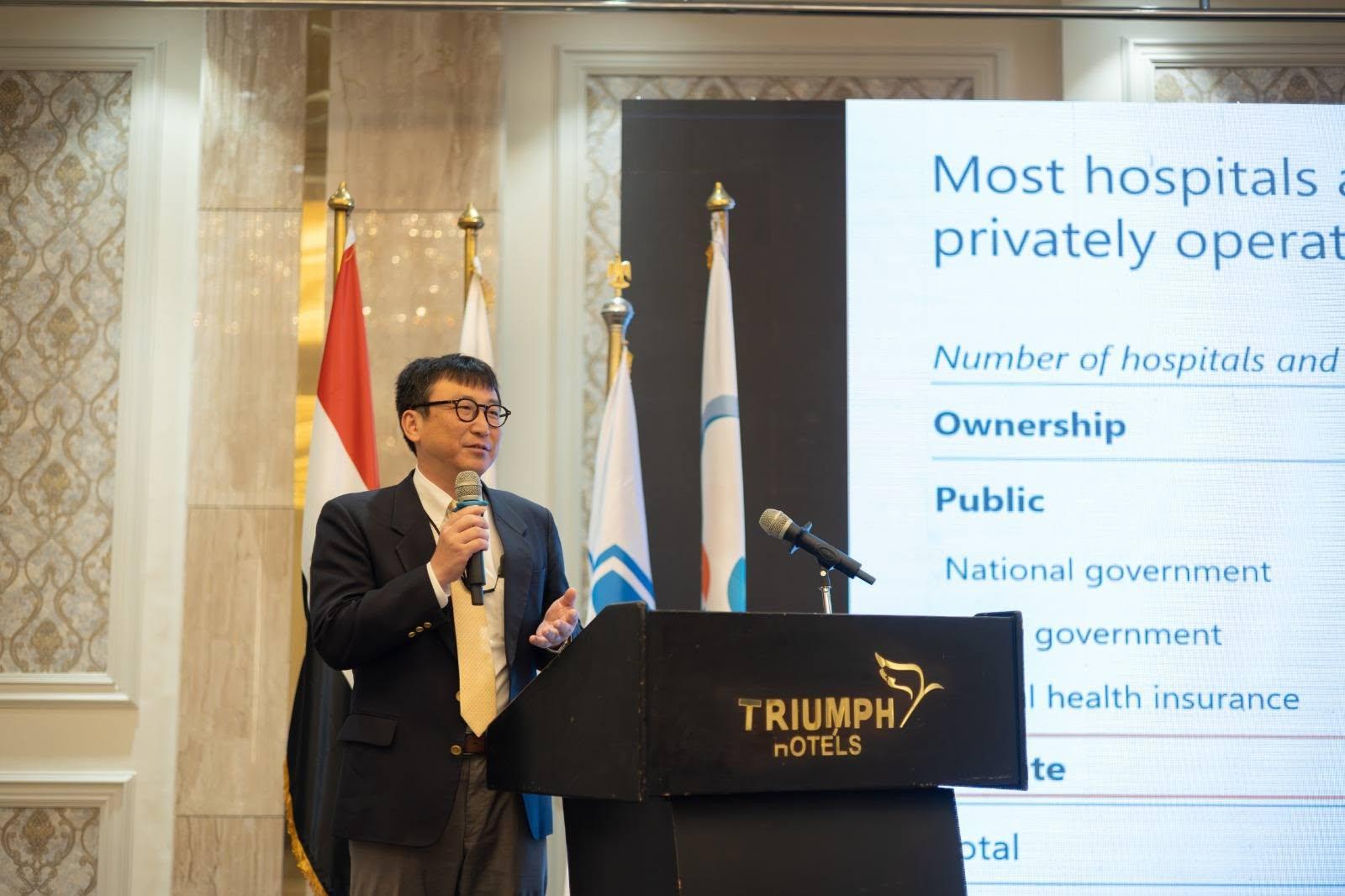
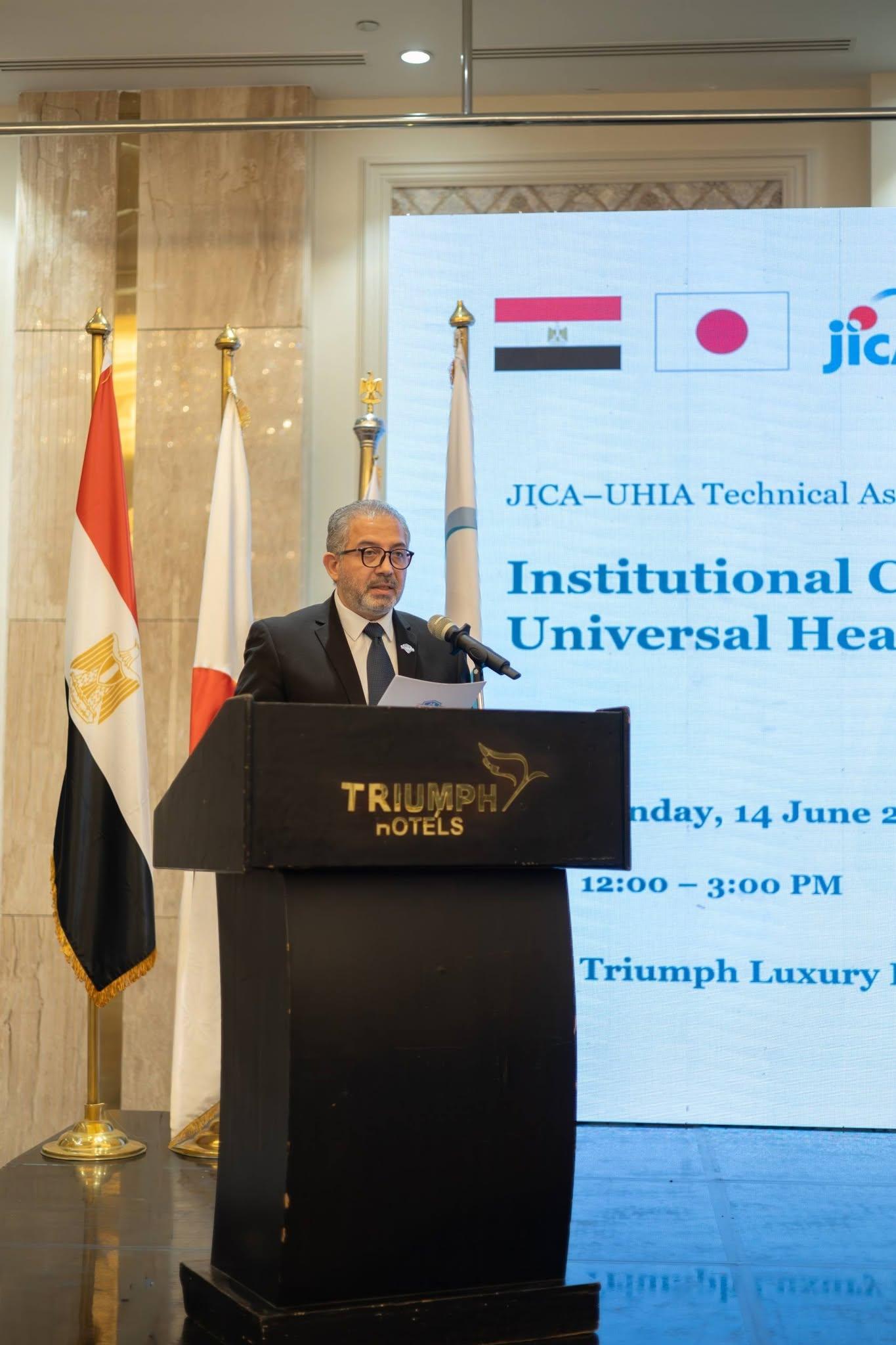
Sadiq also expressed gratitude towards the Japanese government, Japan’s embassy in Egypt, JICA, and Japanese expert teams. He affirmed that this collaboration exemplifies an important model for international partnerships based on trust, experience exchange, and joint action aimed at supporting Egypt’s path toward comprehensive health coverage.
Comments