

Copts Gather at Deir El-Ganadla in Asyut for ‘Iron Condition’ Celebrations
 Asyut for 'Iron Condition' Celebrations" width="750" height="450" />
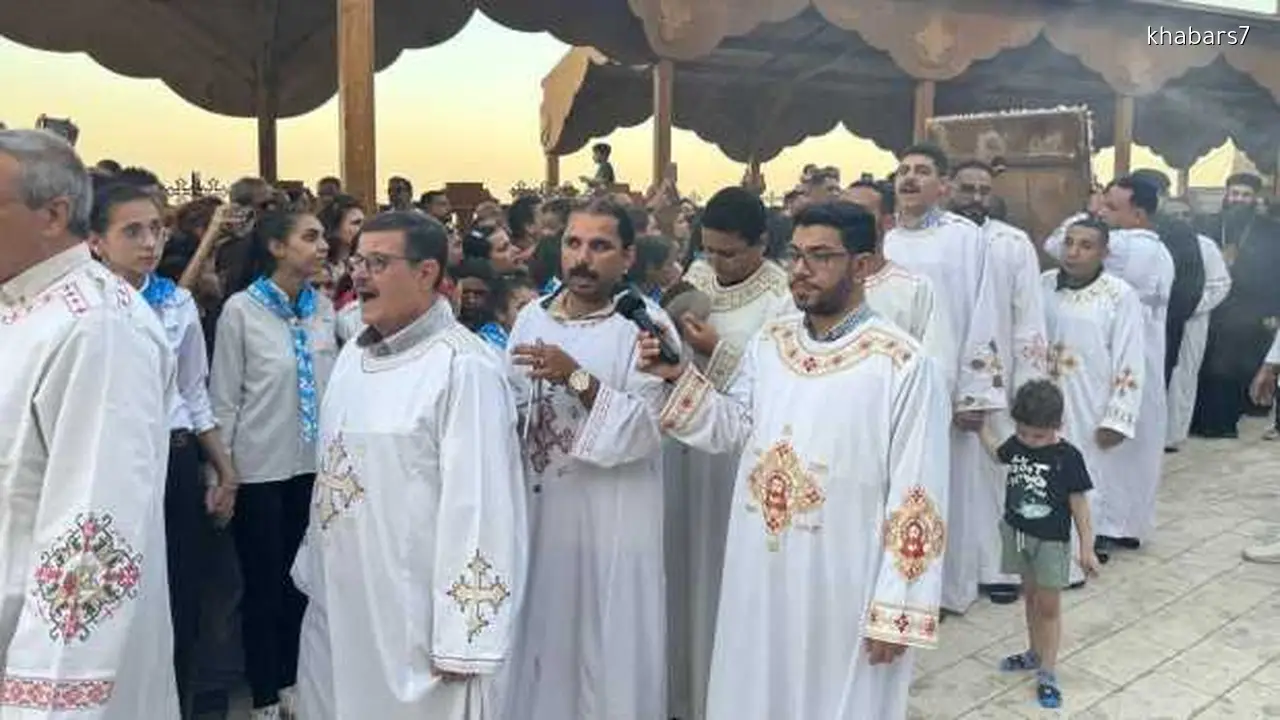
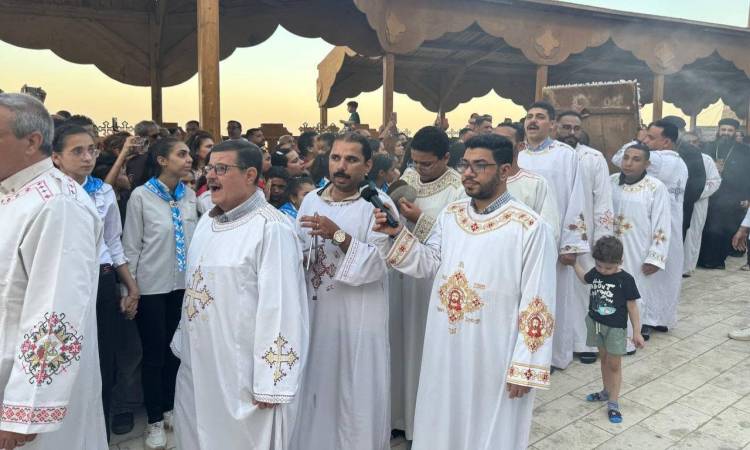
For the third consecutive day, Copts are flocking to the Virgin Mary Monastery in Deir El-Ganadla, located in the Al-Ghanaim district of Asyut Governorate, to commemorate the consecration of the first church dedicated to the Virgin Mary in Philippi. This event, popularly known as the “Iron Condition” festival, will continue until June 28.
Visitors have been lighting candles and seeking blessings from icons while engaging in prayers amidst a spiritually uplifting atmosphere filled with faith. Hymns and praises resonated throughout the monastery, accompanied by joyful ululations from women, blending spiritual practices with the festive customs that characterize this annual occasion.
The monastery’s scouting team is overseeing visitor entry through electronic gates while ensuring that national ID cards are presented to maintain order and safety during the celebrations. Security measures have been intensified by local authorities to ensure a secure environment.
Father Tadros, the monastery’s keeper, stated that the annual festivities include daily liturgies, prayers, and evening icon processions under the auspices of Bishop Andrawes, Bishop of Abutig and Sdfa and head of the monastery.
Founded in the sixth century AD by Saint Macarius, Deir El-Ganadla houses two ancient churches, including a prominent one built within an ancient cave. It also features a historic well dating back to Roman times that reaches a depth of approximately 45 meters and is still in use today.
The Virgin Mary Monastery is situated on the western mountain of Asyut, about three kilometers west of Deir El-Ganadla and roughly 22 kilometers southwest of Asyut city. It is considered one of the most significant religious and tourist attractions in the governorate, welcoming thousands of visitors annually from both Egypt and abroad.
Many of its relics originate from caves carved into the mountain that were originally ancient pharaonic quarries later used by monks as their dwellings.
Comments