

Cairo Airport’s New Terminal Set to Double Capacity to 60 Million Passengers
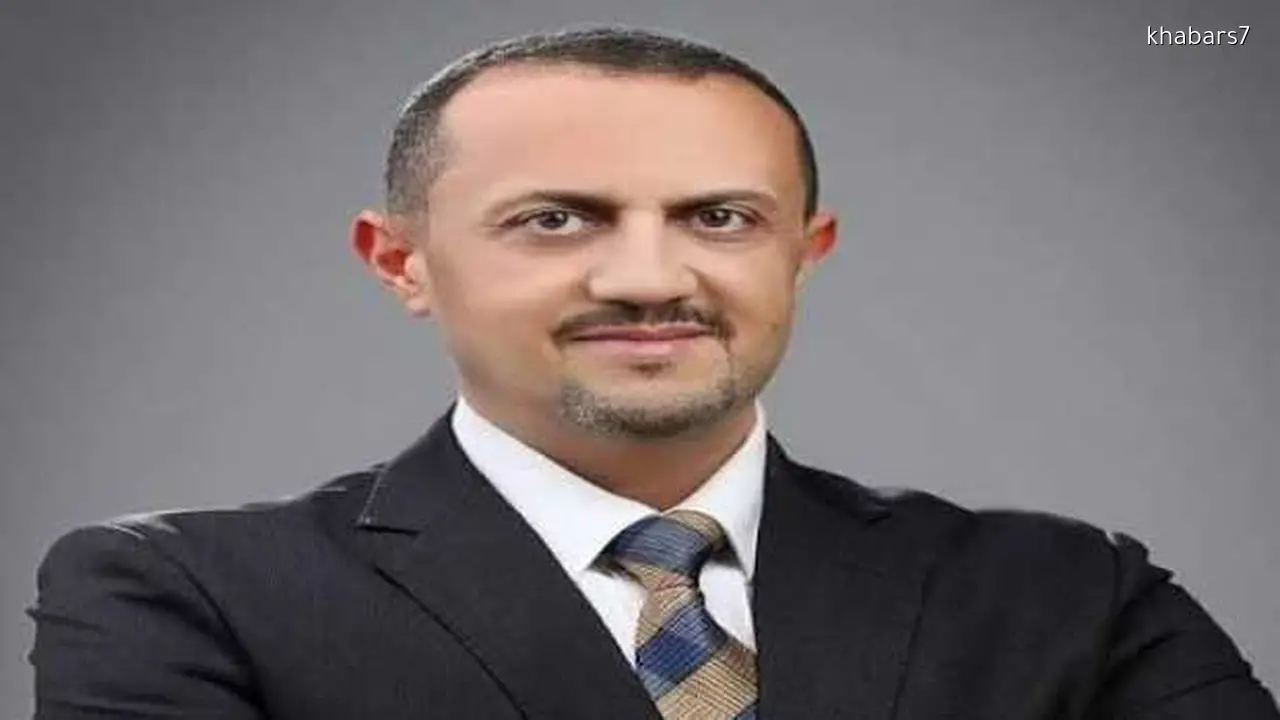
Ayman Arab, Chairman of the Holding Company for Airports and Air Navigation.
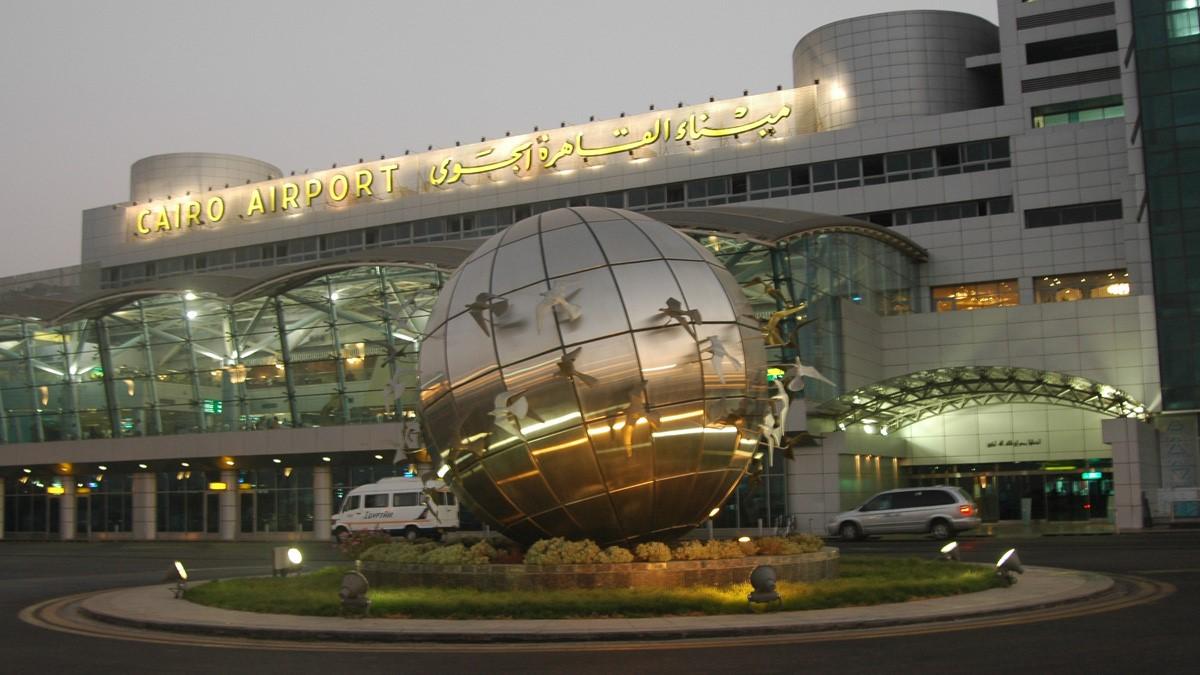
The construction of Terminal 4 at Cairo International Airport represents one of the largest infrastructure development projects in Egypt and the Middle East’s civil aviation sector. This initiative aims to double the airport’s capacity and transform it into a regional and global hub for air transport, connecting Africa, Asia, and Europe.
Significant Upgrade for Cairo Airport
Cairo International Airport has experienced a steady increase in passenger numbers and flight operations. In response, the government has launched a project to build a new passenger terminal that meets global standards to accommodate future growth in travel, tourism, and investment.
The government emphasizes that this project is a long-term strategic investment aimed at enhancing Egypt’s position as a key aviation hub in the region.
The project is under continuous oversight from political leadership and government officials, including Ayman Arab and Magdy Issac, Chairman of Cairo Airport. The initiative is designed with an integrated vision to create a world-class terminal that adheres to the latest international standards in design, operation, and sustainability, thereby elevating Cairo International Airport among major regional and global airports.
Massive Capacity Increase
The new terminal is projected to have an annual capacity of around 30 million passengers, which will raise the total capacity of Cairo Airport to approximately 60 million passengers per year once operational. This enhancement positions it as one of the largest airports in Africa and the Middle East.
Advanced Operational Systems
The project will implement state-of-the-art technologies for airport management and operations, including smart systems for check-in procedures and modern baggage handling techniques. Digital solutions will also be employed to reduce passenger waiting times.
Furthermore, the development will incorporate advanced security and safety systems compliant with international standards while utilizing sustainable practices and clean energy within operational facilities. This approach aims to improve passenger experience, enhance operational efficiency, and minimize congestion within the airport.
Comprehensive Infrastructure Development
The project extends beyond just building a new passenger terminal; it includes upgrading taxiways, aircraft parking areas, establishing modern service facilities, and improving access roads to the airport. Plans are also underway for parking lot enhancements linked to future transportation expansion projects in Greater Cairo.
Boosting Tourism and National Economy
Terminal 4 is expected to play a crucial role in supporting the government’s strategy to increase tourism traffic by attracting more international airlines. It will enhance Cairo’s capacity to accommodate international flights while facilitating transit traffic through the city. The project is anticipated to create both direct and indirect job opportunities while boosting revenues from civil aviation and enhancing the competitiveness of Egyptian airports on both regional and global scales.
Ongoing Presidential and Government Oversight
This initiative receives continuous attention from political leaders and government officials who have stressed the importance of engaging top global experts in designing and operating modern airports. This ensures that the project meets contemporary international standards while serving as a leading model in the region.
Billion-Dollar Investment
Estimated costs for this project range between $3.5 billion and $4.5 billion depending on execution phases and technical preparations, with potential future expansions planned to further increase terminal capacity.
The construction of Terminal 4 at Cairo International Airport marks a strategic step towards establishing a comprehensive global airport capable of accommodating future growth in air transport. This development reinforces Egypt’s status as a regional center for aviation, tourism, logistics services, while supporting sustainable economic development plans over the coming decades.

Comments