

Prime Minister Announces Upgrades to Egypt’s Ambulance Fleet with Advanced Medical Technology
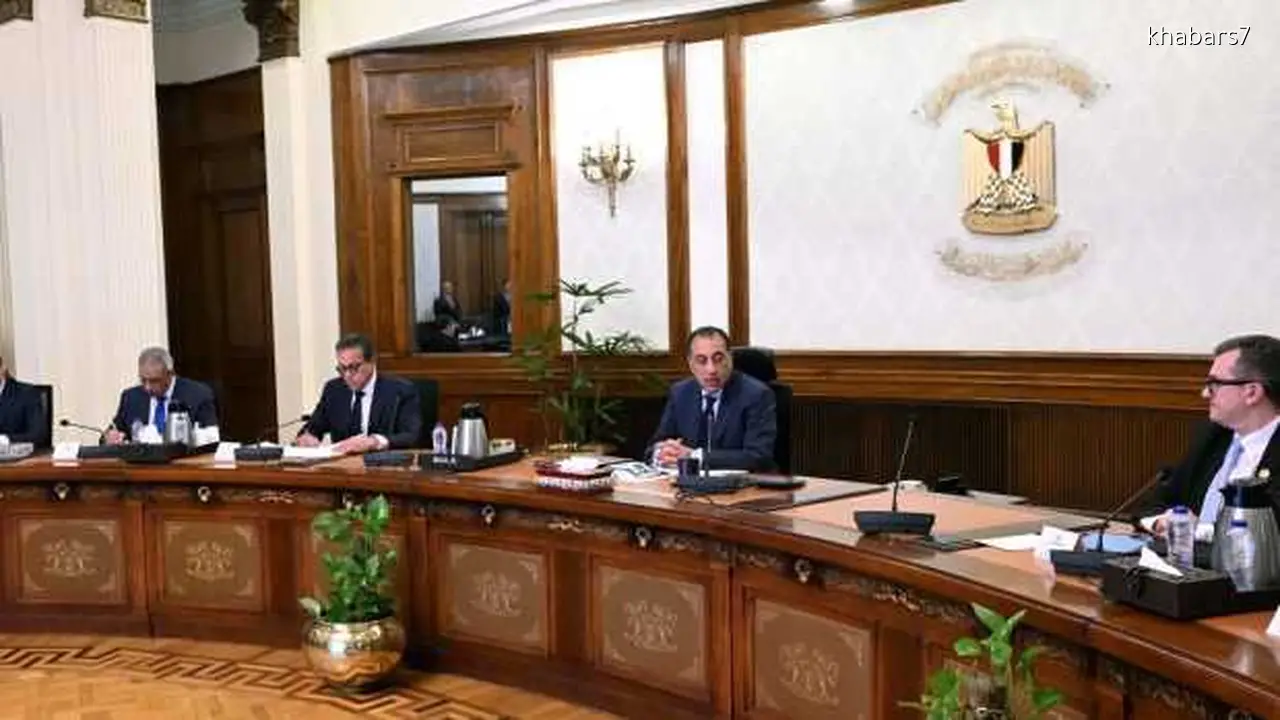
Dr. Mostafa Madbouly, the Prime Minister of Egypt, chaired a meeting today to discuss the ongoing efforts to enhance the Egyptian ambulance system. The meeting included Dr. Khaled Abdel Ghaffar, Minister of Health and Population; Dr. Ahmed Rostom, Minister of Planning and Economic Development; Dr. Amr Rashid, Head of the Ambulance Authority; Ali El-Sisi, Assistant Minister of Finance for Public Budget Affairs; Eng. Nahid Morsi, Assistant Minister of Planning for Infrastructure Affairs; and Hiba Abdel Moneim, Assistant Minister of Planning for Human Development, along with officials from relevant ministries.
At the beginning of the meeting, Prime Minister Madbouly emphasized that the development of the ambulance system aligns with directives from President Abdel Fattah El-Sisi to continuously improve healthcare and emergency response services across the country.
He noted that the Egyptian Ambulance Authority is a key pillar of the healthcare system due to its crucial role in rapidly responding to emergencies and providing urgent medical assistance around the clock.
Madbouly stated that the government is committed to upgrading the ambulance fleet with state-of-the-art medical and technological equipment, expanding ambulance stations, enhancing command and control systems, and training personnel. This initiative aims to establish a comprehensive and advanced ambulance system that adheres to global best practices while improving healthcare service quality and readiness to handle various emergencies.
Minister Khaled Abdel Ghaffar reiterated that citizen health is a top priority for the state as it forms a fundamental basis for building a strong and productive society. He highlighted that political directives focus on providing comprehensive and safe healthcare services for all citizens while improving their quality of life.
Abdel Ghaffar explained that the new investment plan for fiscal year 2026-2027 reflects the government’s intention to maximize available resources by directing them toward priority projects affecting citizens’ lives. The plan includes upgrading the ambulance fleet to ensure quick responses in emergencies and enhance sector readiness.
Dr. Ahmed Rostom emphasized that health remains a top priority for the government, which is keen on directing various forms of support and increasing allocations aimed at strengthening this vital sector due to its direct impact on citizens’ quality of life. This effort aligns with national goals for sustainable development.
During the meeting, Dr. Khaled Abdel Ghaffar reviewed the Egyptian Ambulance Authority’s efforts and development plans, stating that its vision aims at achieving regional and global leadership in emergency services through sustainable and innovative approaches. He mentioned that the current fleet comprises 3,249 equipped ambulances.
The Health Minister also discussed key criteria for determining the needs for new ambulances, noting that 100 ambulances have been upgraded with plans to enhance an additional 400 in the near future. He pointed out that during a previous cabinet meeting, approval was granted to expand modern ambulance fleets as part of a national plan to develop emergency services.
The replacement strategy aims to replace older vehicles with modern ones equipped with cutting-edge medical technologies to improve service efficiency and reduce response times in critical situations.
Dr. Amr Rashid presented key performance indicators from the Ambulance Authority, indicating that approximately two million emergency services are provided annually alongside over 1.4 million emergency calls each year, plus around 860,000 non-emergency calls. He noted an impressive 86% satisfaction rate among citizens regarding these services.
Rashid added that response times on highways average between 8 and 11 minutes for about 85% of total calls, aiming to reduce emergency response times further to a maximum of eight minutes in line with international standards.
He also reviewed ambulance placements across Egypt: there are currently 367 units under projects from the presidential initiative “Decent Life,” alongside 1,717 ambulance stations nationwide. Additionally, there are ongoing developments involving 440 projects related to new constructions or upgrades funded by the authority’s budget.
Regarding human capacity development, Rashid noted training programs conducted at accredited centers domestically as well as internationally recognized facilities abroad—such as training programs in Japan and Germany—and partnerships with several Arab and African countries including Oman, Saudi Arabia, Libya, and Zambia aimed at sharing expertise in emergency services.
The meeting also highlighted digital transformation efforts within the authority aimed at enhancing smart services through updated call centers, caller location identification systems, real-time dispatching systems for ambulances, as well as initiatives like “EgyAmbulance” for non-emergency transport requests.
In conclusion, Prime Minister Madbouly instructed both finance and planning ministries to review requests from the Ambulance Authority aimed at enhancing performance and service quality while preparing an executive plan to ensure timely responses.
Comments