

Housing Minister Randa El-Manshawi Urges Swift Resolution of Land Legalization in New Cities
 Randa El-Manshawi" width="750" height="450" />
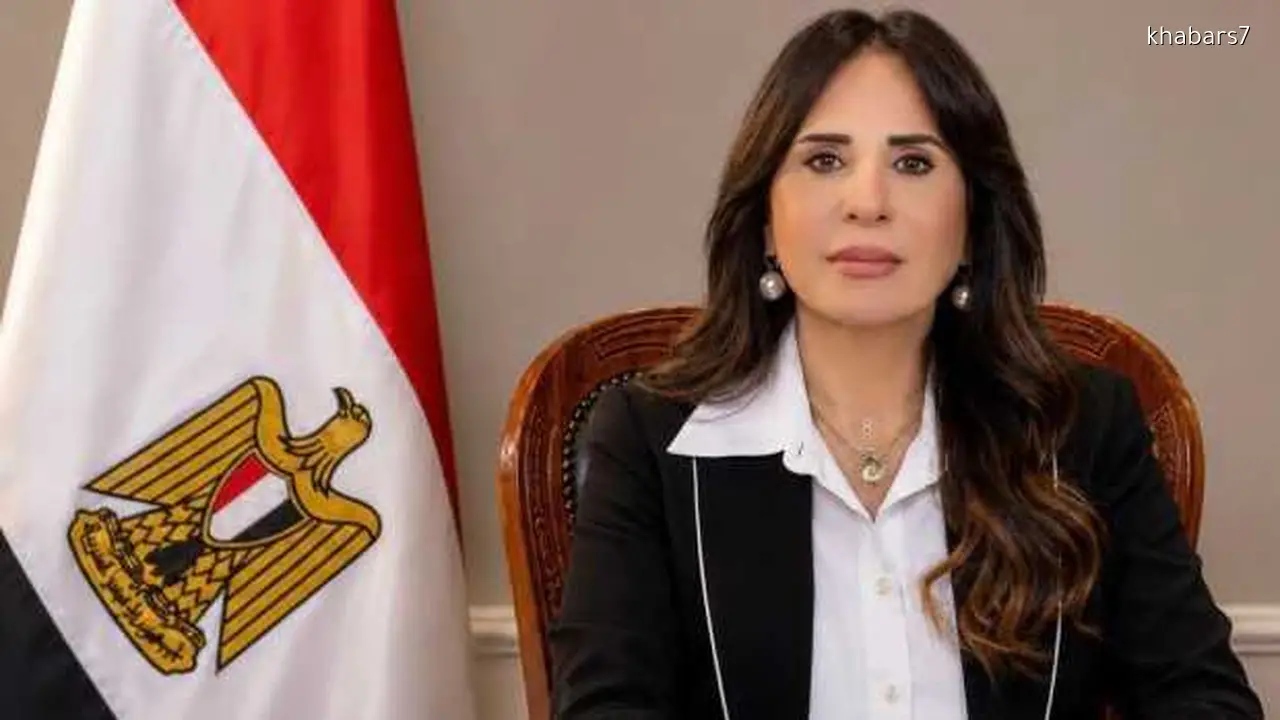
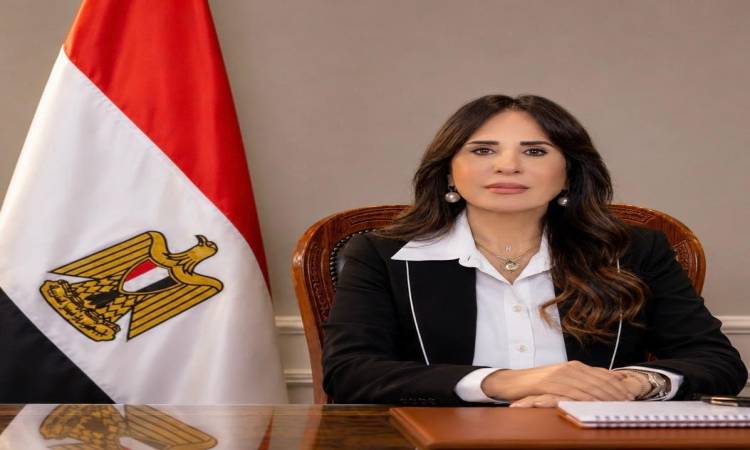
Engineer Randa El-Manshawi.
Engineer Randa El-Manshawi, Egypt’s Minister of Housing, Utilities and Urban Communities, has closely monitored the progress of the land legalization process in the new cities of Al-Obour and Al-Shorouk. This initiative is part of the government’s efforts to establish governance principles, ensure urban discipline, maximize the benefits from real estate assets, and protect citizens’ rights by providing well-planned and integrated urban communities.
During her review, El-Manshawi emphasized the need to expedite the legalization procedures and simplify processes for citizens in accordance with legal regulations and established timelines. She also highlighted the importance of providing infrastructure and utilities in areas where legalization processes are completed.
The minister received a report on the implementation status of land legalization files in Al-Obour and Al-Shorouk. Dr. Ahmed Emara, supervisor of the Real Estate and Commercial Affairs Sector at the New Urban Communities Authority, held a meeting at the New Al-Obour Development Authority’s headquarters. The meeting was attended by Engineer Mahmoud Mourad, head of the New Al-Obour Authority, Engineer Mohamed Ahmed Zakaria, head of Al-Shorouk Authority, along with several officials from the relevant sectors.
The report detailed the current status of land legalization in Al-Obour city, showcasing achievement rates in reviewing and processing submitted applications. It also outlined a targeted work plan for the upcoming phase aimed at accelerating procedures and optimizing benefits from real estate assets.
Additionally, it covered ongoing projects related to infrastructure in newly added areas, including progress rates achieved thus far. The report addressed existing challenges while proposing practical solutions to overcome them, ensuring a balance between applying legal regulations and considering citizens’ social dimensions.
Updates on the legalization process in Al-Shorouk city were also discussed, particularly in areas such as Rabiaa, Salam, Tayba, and northern parts of the city. The report reviewed current achievement rates and measures taken to expedite file completion while improving work mechanisms and enhancing performance efficiency to reduce timelines required for finalizing procedures and ensuring legal stability for residents.
The discussion included ways to enhance the workflow related to legalization files by simplifying administrative procedures and improving coordination among various concerned authorities. There was a strong emphasis on supporting digital transformation efforts and updating file management systems to ensure high levels of accuracy, speed, and transparency when handling legalization requests. This approach aims to boost achievement rates and improve service quality provided to citizens.
In this context, El-Manshawi stressed adherence to established timelines for completing tasks while emphasizing continued coordination among different sectors within the authority and urban agencies. She called for intensified efforts in the upcoming phase to resolve as many files as possible while removing any obstacles faced by citizens. This support is crucial for urban stability and achieving sustainable development goals.
The minister also confirmed ongoing field monitoring of legalization files not only in Al-Obour and Al-Shorouk but across other new cities as well. She assured that all necessary technical and administrative support would be provided to accelerate work pace while completing procedures according to regulatory guidelines. These efforts are aimed at enhancing state initiatives for comprehensive urban development while establishing legal stability for citizens and creating an integrated urban environment that supports development plans and investment opportunities within new urban communities.
Comments