

Cairo and Giza Lead in Demand for Addiction Treatment Services
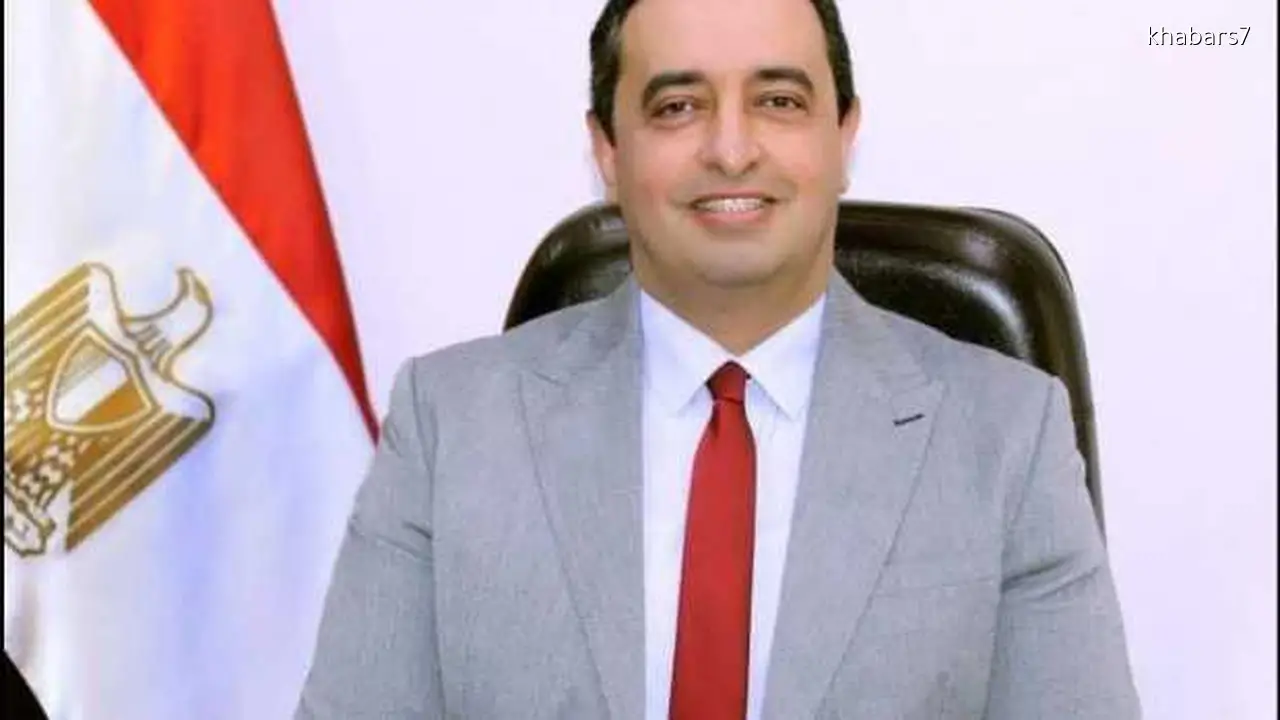
Dr. Amr Othman, the director of the Anti-Drug and Addiction Treatment Fund, has received a report detailing the efforts of the fund’s hotline “16023.” During the first five months of 2026, treatment services were provided to 69,845 patients, both new and ongoing. The fund also ensures that addiction treatment services are available to residents from developed areas replacing informal settlements, including Asmarat, Mahrousa, Rawdat Al-Sudan, Rawdat Al-Sayyida, Ahaleena, Al-Khayala, Bashayer Al-Kheir, and October Gardens.
The services offered include follow-up calls, counseling, treatment, rehabilitation, and community integration. These treatments are provided free of charge and adhere to international standards. Of those benefiting from these services, 97% are male while females make up 3%. Patients have accessed treatment centers affiliated with the fund and its partners across 35 centers in 20 governorates to date.
According to calls received by the hotline, Cairo ranked first in requests for assistance at 26%, followed by Giza at 21%. This trend can be attributed to the high population density in both governorates and the presence of numerous treatment centers associated with the fund. In terms of how individuals learned about the hotline “16023,” the internet was the leading source. This reflects the fund’s digital awareness efforts through its official Facebook page, which has nearly 2 million followers. Television and news websites were also significant sources of information regarding hotline services.
An analysis of beneficiary data during the first five months of 2026 revealed that cannabis is the most commonly reported substance among callers seeking treatment at 63%. This is followed by synthetic drugs such as crystal meth, estrox, vodo, powder drugs like shabu, tramadol, heroin, and poly-drug use (using more than one substance). The primary callers to hotline “16023” included patients themselves at a rate of 35%, followed by mothers at 12%, and siblings (brothers or sisters) at 25%. This indicates an increasing trust in the hotline’s services among patients and their families.
Dr. Amr Othman explained that driving factors behind substance use reported through the hotline included peer pressure and curiosity. Conversely, factors motivating individuals to seek treatment included health deterioration (35%), improving their image, concerns about their future and family welfare, workplace issues such as fear of dismissal or legal repercussions. He emphasized that employees who use drugs can contact hotline “16023” confidentially without fear of legal consequences if they voluntarily seek help before any drug testing campaigns occur at their workplaces; otherwise, legal actions will be taken.
Comments