

Egyptian Government Explores Administrative Mergers to Enhance Efficiency and Reduce Spending
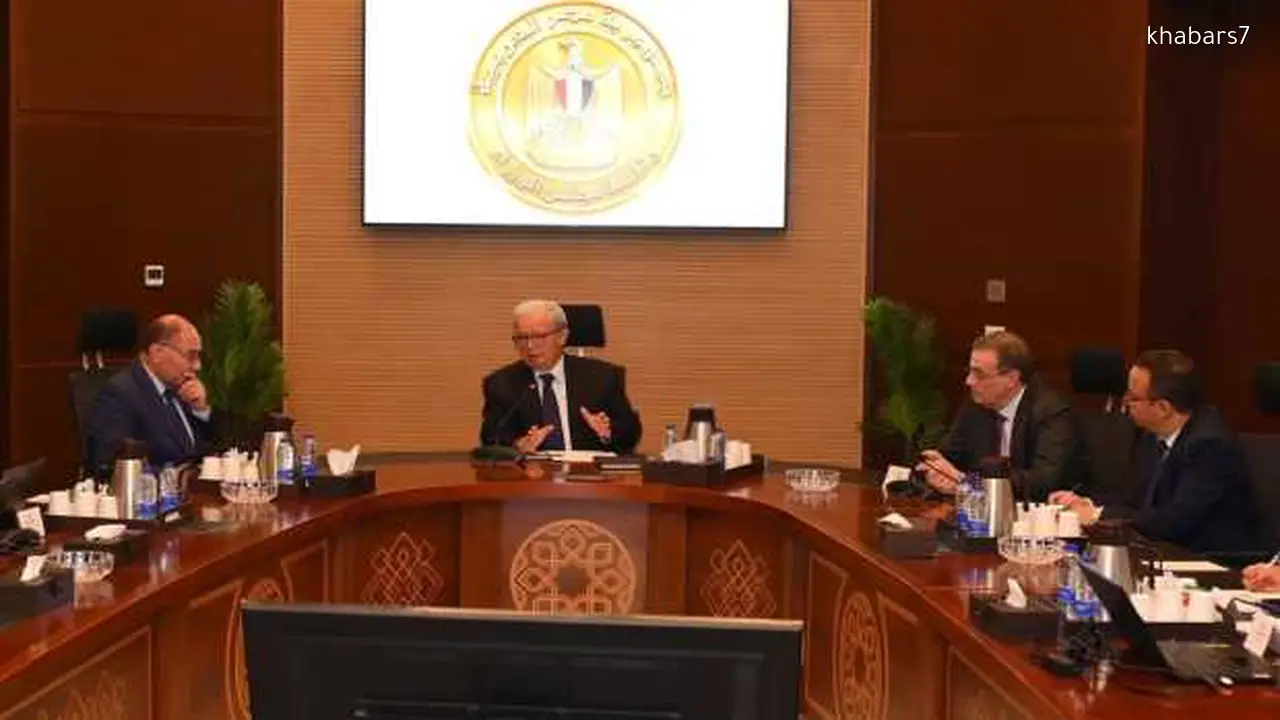
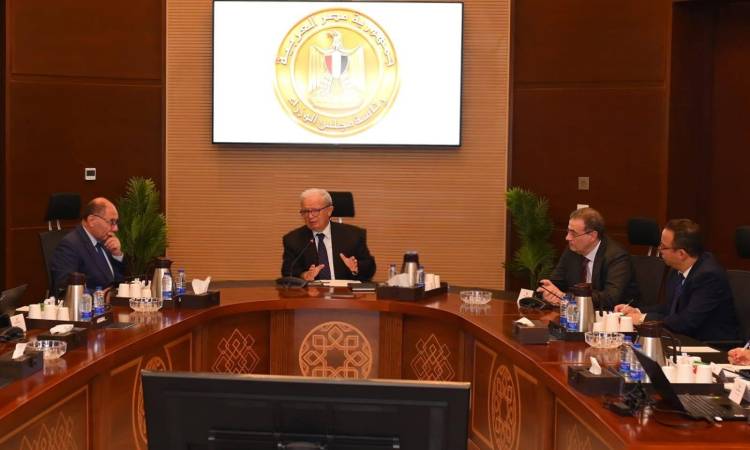
Deputy Prime Minister.
Dr. Hussein Issa, the Deputy Prime Minister for Economic Affairs, chaired the second meeting of the committee responsible for enhancing the performance of Egypt’s administrative apparatus at the government’s headquarters in the New Administrative Capital. The committee was formed by a decree from the Prime Minister and included Engineer Hatem Nabil, head of the Central Organization for Administrative Reform, along with representatives from the Ministries of Planning, Economic Development, and Finance.
This meeting is part of ongoing efforts to reform administrative practices and improve institutional performance within government agencies, ultimately aiming to enhance governmental efficiency and service quality for citizens.
During the session, several proposals were reviewed regarding the development of state administrative units. Discussions focused on restructuring certain administrative bodies to achieve better integration of roles and responsibilities, improve operational efficiency, make better use of available resources, and ultimately provide better economic and administrative returns for the state while enhancing service quality.
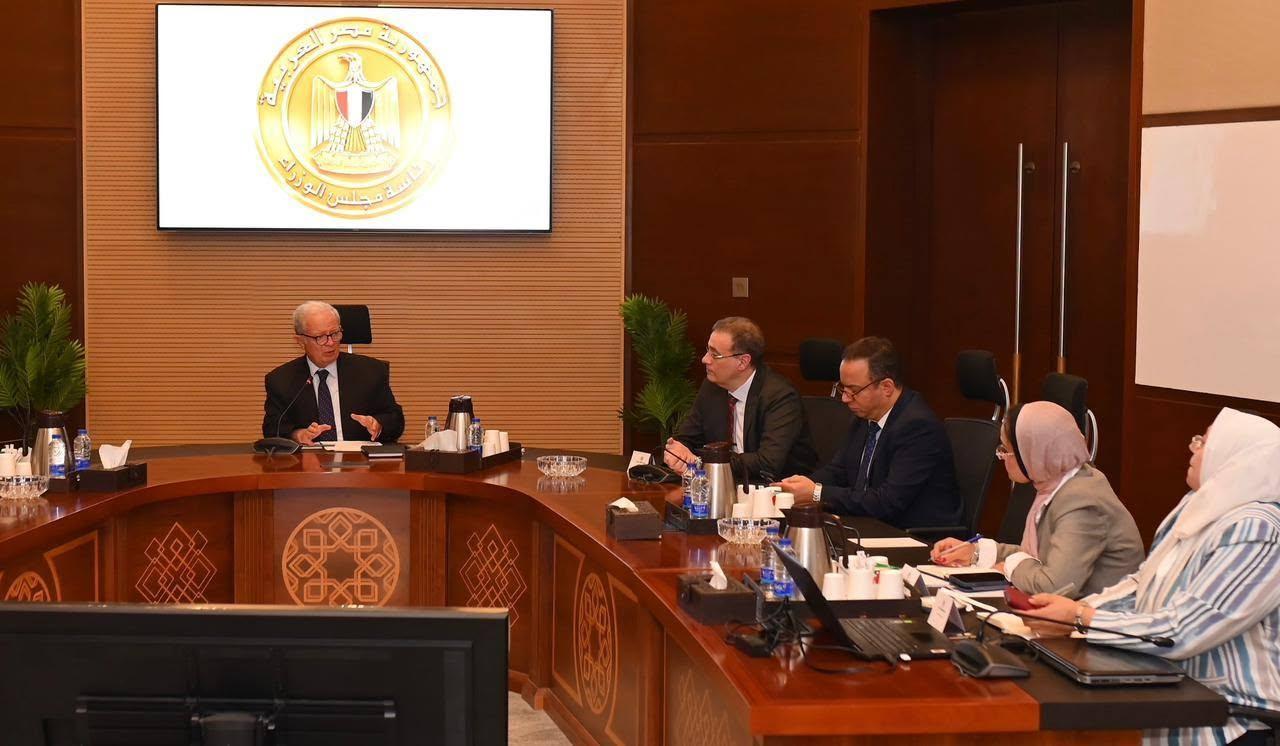
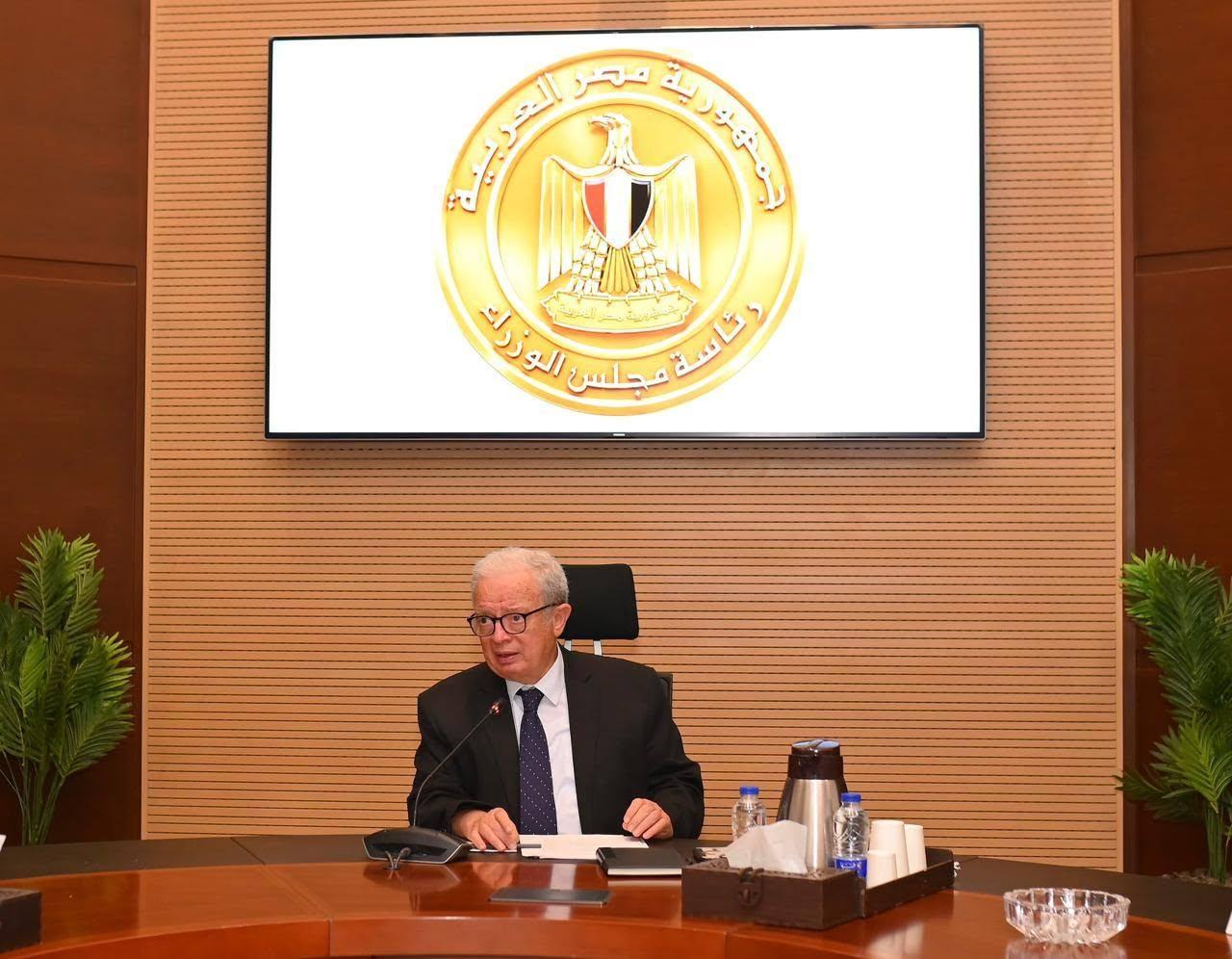
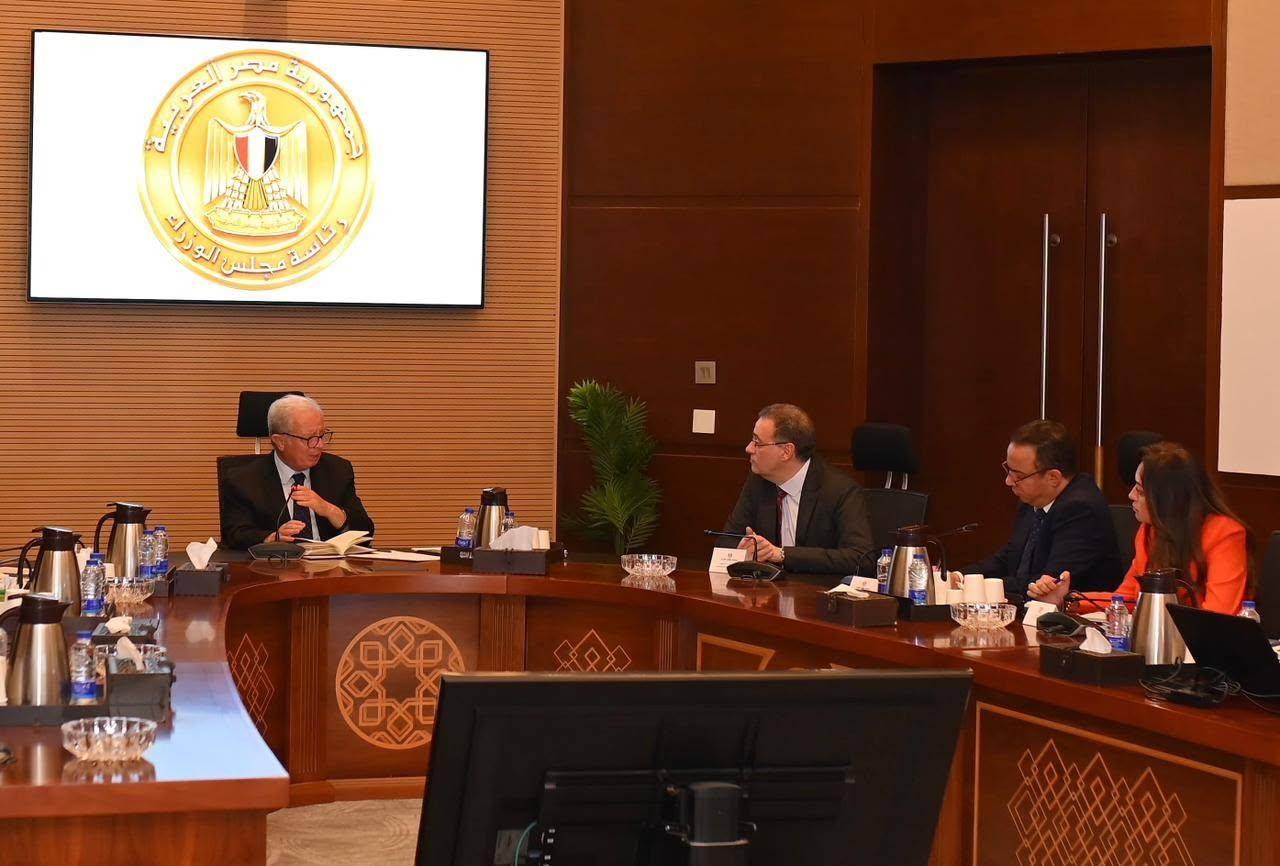
Dr. Issa emphasized that the committee holds a significant national responsibility in addressing this critical issue to build a more efficient and effective administrative apparatus capable of meeting comprehensive development needs. He noted that the committee’s work includes a thorough review of state administrative units to assess whether merging or abolishing certain entities is necessary based on their ability to fulfill assigned duties and achieve their intended goals.
Furthermore, he mentioned that the committee has been tasked with conducting a financial and economic study on the performance of state administrative units and developing a comprehensive plan for suitable solutions. This includes reviewing proposals from ministries regarding creating new units or merging or abolishing existing ones, along with preparing an extensive economic, financial, and administrative study before presenting these suggestions to the Prime Minister.
Dr. Issa highlighted that these efforts are part of an integrated vision implemented by the government aimed at maximizing benefits from available assets and resources. This aligns with other reform initiatives focusing on restructuring economic entities and state-owned companies to enhance economic performance while reinforcing governance principles and rationalizing public expenditure.
The government aims to establish a modern administrative apparatus based on clear and measurable performance indicators that align with digital transformation trends. This approach is expected to accelerate service delivery, improve governmental file management, simplify procedures, and enhance service quality provided to citizens.
The meeting also discussed forming a technical secretariat under the committee’s supervision to monitor necessary technical, economic, and administrative studies while preparing supportive reports and recommendations for decision-making processes ensuring swift execution and accuracy.
Engineer Hatem Nabil reaffirmed that enhancing state administration is a comprehensive process involving several key components including human resource development, infrastructure improvement, and reorganizing structural relationships between various units according to their activities. This ensures clarity in responsibilities while preventing overlaps or duplications in tasks.
He added that restructuring administrative units, streamlining processes, and reducing multiple agencies involved in single services will contribute to faster service delivery for citizens while improving quality and efficiency. This will also enhance resource utilization efficiency while achieving higher levels of governance and institutional effectiveness. He confirmed ongoing coordination among all relevant parties to realize the state’s vision towards a more flexible, efficient administration responsive to developmental needs.
The committee tasked with improving state administration was established by decree from the Prime Minister under Dr. Issa’s leadership. It includes members such as the Ministers of Finance; Planning; Economic Development; International Cooperation; along with Mr. Nabil who serves as its rapporteur. The committee’s responsibilities include conducting a comprehensive study on state administrative units’ size and performance evaluation as well as assessing proposals regarding creating or merging or abolishing various units alongside preparing necessary economic, financial, and administrative studies before presenting recommendations to the Prime Minister.
Comments