

National Council for Women Supports Smart Green Projects to Empower Women and Youth
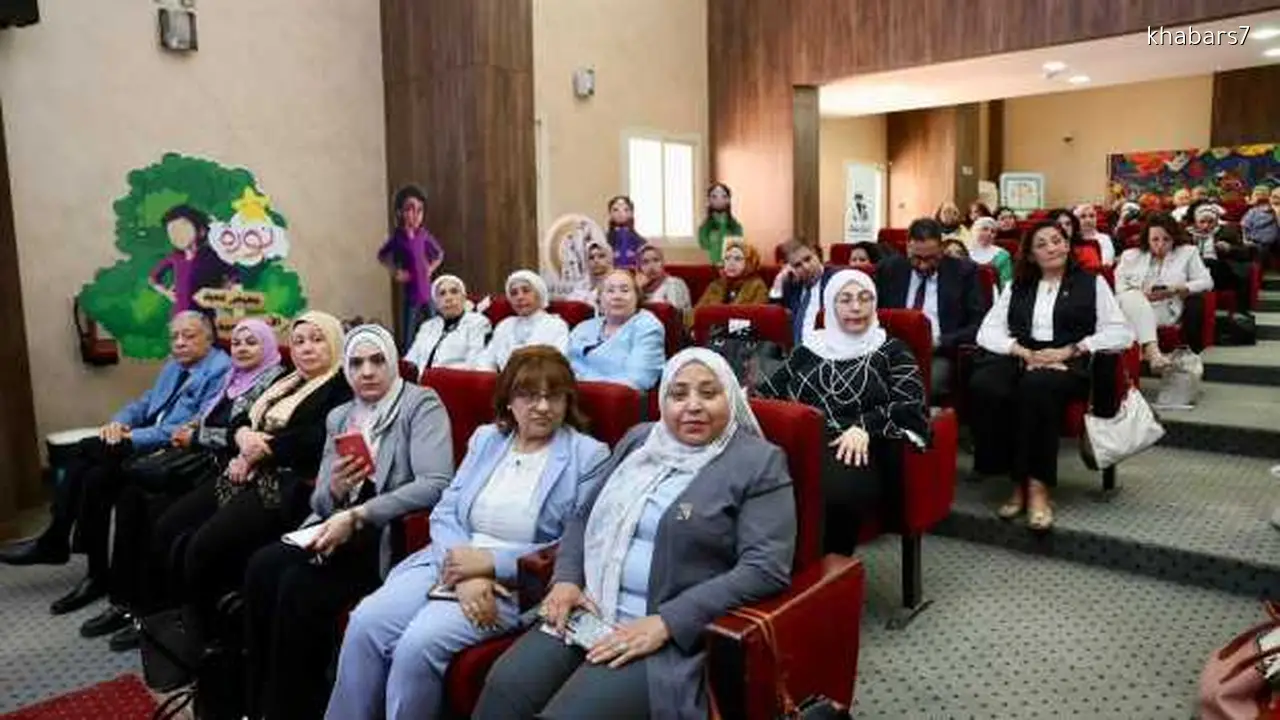
Event Overview.
The National Council for Women organized a workshop titled “Supporting the National Initiative for Smart Green Projects and Empowering Egyptian Women and Youth in the Governorates.” The event brought together a selection of officials and experts in sustainable development, digital transformation, environmental issues, and entrepreneurship, aimed at enhancing the role of women and youth in supporting the transition to a green economy.
The opening session was attended by Aml Ammar, President of the National Council for Women; Hisham Badr, National Coordinator of the National Initiative for Smart Green Projects; Dr. Huda Dahroug, Advisor to the Minister of Communications and Information Technology for Digital Transformation; Dr. Nasreen Baghdadi, Vice President of the Council; Mari Louis, Council member and head of the Rural Women Committee; Ahmed Fathi, Chairman of the Board of Trustees of the Young Leaders Foundation; Amr Suleiman, Council member and head of the Economic Committee; Sara El-Batouty, Council member and head of the Environment Committee; along with several members and heads of branches from various governorates.
Ambassador Hisham Badr emphasized that women are key partners in achieving sustainable development. He noted that the National Initiative for Smart Green Projects serves as a comprehensive national model to support the shift towards a green economy, focusing on human development as its cornerstone.
Dr. Huda Dahroug highlighted the importance of leveraging technology for sustainable development. She explained that digital empowerment programs implemented by the Ministry of Communications have reached over 43,000 women, including training on smartphone usage, artificial intelligence, and digital marketing to enhance women’s economic empowerment opportunities.
Ahmed Fathi praised the initiative’s role in supporting youth interested in climate issues. He elaborated on the “Climate Leaders” program launched in 2020, which aims to identify and qualify young leaders within universities and transform innovative ideas into actionable projects with sustainable developmental impacts.
Mari Louis stressed the vital role rural women play in supporting circular economies and sustainable agriculture. She pointed out numerous successful initiatives related to recycling agricultural waste and producing organic fertilizers that contribute to sustainability while achieving economic and social empowerment for women.
Engineer Amr Suleiman underscored technology’s importance in promoting women’s economic empowerment. He noted the success of savings and lending groups comprising nearly half a million women, which has fostered a culture of saving, collective work, and improved economic opportunities for women.
Engineer Sara El-Batouty emphasized the need for collaboration among various institutions to address climate change challenges while promoting smart green projects. She highlighted artificial intelligence’s growing role and digital infrastructure in supporting green villages and improving developmental project efficiency.
Maya Mahmoud, General Director of Skills Development at the council, presented several successful examples of women who transformed fabric waste into innovative products with economic value. She affirmed that training programs and business incubators play a crucial role in integrating women into the formal economy while providing marketing opportunities and technical support.
The workshop included two panel discussions: one focused on sharing experiences among governorates to support smart green project initiatives by reviewing successful experiences along with challenges and available opportunities. The second session showcased success stories from winners of both the initiative and “Climate Leaders” program where participants shared their experiences in developing ideas into community-driven projects with lasting developmental impacts.
The workshop concluded with a reaffirmation on continuing support for green innovation while expanding women’s and youth’s participation in developmental initiatives to bolster national efforts towards achieving sustainable development goals and transitioning to a green economy.
Comments