

Vocational Education: A Strategic Path for Employment and Innovation, Says Minister Abdul Latif
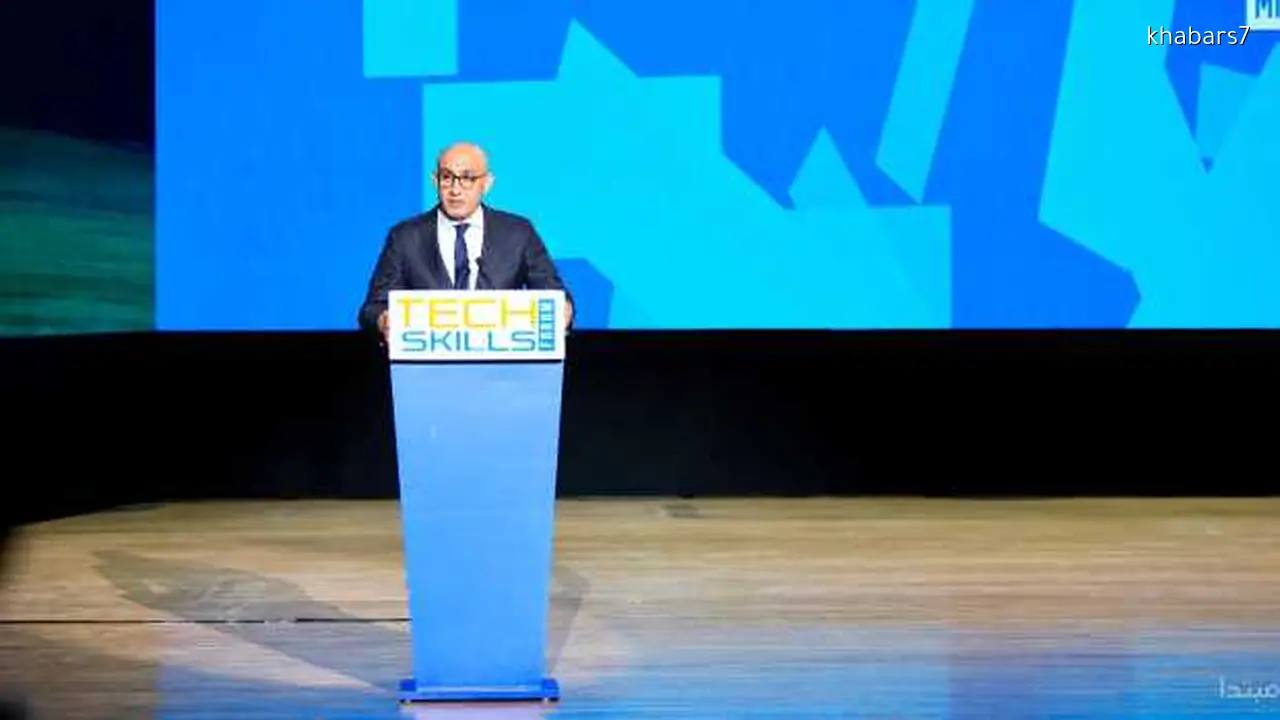
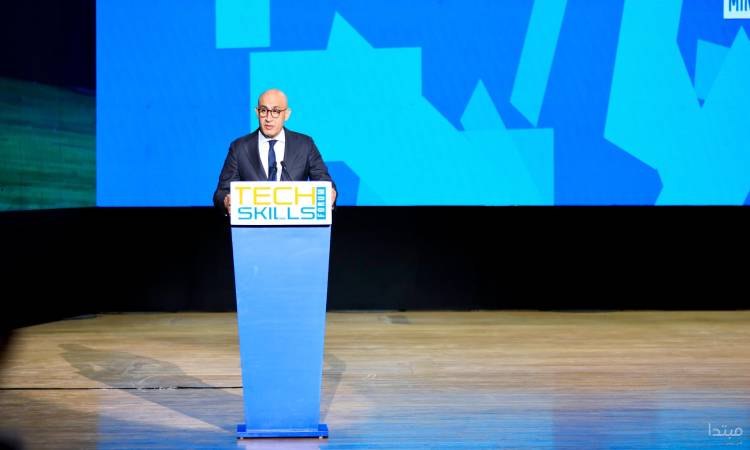
Mohamed Abdul Latif, Minister of Education.
Mohamed Abdul Latif, Egypt’s Minister of Education, expressed his enthusiasm for hosting the “Vocational and Technical Education Forum for Mediterranean Countries” in Cairo. He emphasized that participants are gathering not only to inaugurate a regional forum but also to initiate a collaborative dialogue about the future of education, employment, skills, and human capital in the Mediterranean region.
Abdul Latif highlighted the importance of collaboration with Professor Giuseppe Valditara, Italy’s Minister of Education and Merit. He credited joint partnership and commitment as key factors in launching this significant initiative, expressing Egypt’s appreciation for the Italian government and all Italian partners for their vision and cooperation.
The minister welcomed ministers and heads of delegations from various Mediterranean countries, stating that their participation gives true meaning to the forum and reflects a shared belief that education has evolved from a national priority to a regional responsibility and a joint investment in stability, prosperity, innovation, and opportunity.
He noted that the world is at a pivotal moment where rapid technological changes, artificial intelligence, digital transformation, climate challenges, and shifting labor markets are reshaping both work and learning. Abdul Latif asserted that a nation’s strength increasingly relies on the skills of its people.
While acknowledging that natural resources, infrastructure, and investments remain important factors, he stressed that they are no longer sufficient on their own. The real driver of competitiveness lies in human capital—preparing youth to think creatively, adapt, communicate effectively, solve problems, engage with technology, and contribute productively to their communities.
Abdul Latif stated that vocational education and training have transitioned from being secondary pathways to becoming strategic routes for employment, innovation, productivity, entrepreneurship, and social mobility. He described them as powerful tools linking education directly to the actual needs of the economy.
This approach is an essential part of Egypt’s national reform agenda. Under President Abdel Fattah El-Sisi’s leadership, Egypt has placed human development at the core of national progress. The Ministry of Education aims not only to provide knowledge but also to contribute to building skills, values, discipline, creativity, and future readiness.
He added that vocational education is a cornerstone of this vision as Egypt continues its efforts to modernize vocational education systems. This includes strengthening partnerships with industry sectors while expanding technical schools and improving curriculum relevance to real-world demands. The goal is clear: provide every young person with dignified opportunities for learning, work growth while contributing to community development.
Abdul Latif noted that historically the Mediterranean region has been a space for cultural exchange—commercially and scientifically—and today it holds an opportunity to renew this historical role by building partnerships focused on future skills.
The minister pointed out that many countries in the region are working to enhance youth employment opportunities while responding to technological transformations by bridging skill gaps through improved vocational education systems closely linked with industry needs. He emphasized that these challenges cannot be tackled by governments alone; rather they require cooperation among ministries, schools, universities, technical educational institutions, private sectors manufacturers as well as development partners alongside youth themselves.
The forum is designed to connect policies with practical applications by bringing together ministers with industry representatives while linking schools with employers and students with innovation. It aims to unite northern and southern Mediterranean countries around a common question: how can we empower youth with future skills before rapid global transformations leave them behind?
Discussions during the forum will cover critical topics such as artificial intelligence impacts on human capital transformation; green skills; smart manufacturing; mechatronics; food industries; cultural heritage tourism; textiles; chemical pharmaceutical industries; life sciences; among other vital sectors for regional economic futures.
The deeper message transcends various sectors or technologies: skills must become a common language among countries in the region. These skills should be relevant practically recognized linked directly with genuine opportunities while emphasizing building educational systems closely tied to economies rather than operating in isolation. He stressed the importance of developing partnerships moving beyond mere words towards tangible collaborative actions.
The minister appreciated the partnership between Egypt and Italy stating that Italy’s experience in vocational training aligned with industry learning through higher technical institutes represents significant expertise for mutual cooperation. He noted Egypt’s applied technology schools have become strong national models linking education with industry practical skills while blending diverse experiences allows new institutional partnerships learning opportunities expanding available prospects for students across Mediterranean nations.
Abdul Latif underscored the vital role played by private sectors emphasizing any reforms in vocational education cannot succeed without active participation from this sector due its capacity anticipating labor market trends identifying required future skills ensuring students are prepared for emerging opportunities rather than equipping them for jobs that no longer exist.
He conveyed a message directed at students affirming they embody core discussions at this forum highlighting this event primarily concerns their futures through providing necessary skills confidence opportunities enabling success within rapidly changing environments ensuring vocational education opens doors rather than limits prospects acknowledging talents investing potential.
In closing his remarks Abdul Latif expressed hopes discussions at this forum will be practical ambitious leading towards concrete actionable steps marking a starting point enhancing cooperation among regional states strengthening institutional partnerships connecting students opportunities fostering shared Mediterranean vision aimed at skill development human capital transformation era artificial intelligence.
The minister reiterated Egypt’s pride hosting this forum collaborating closely with Italy all partners within Mediterranean region emphasizing commitment elevating vocational training position it deserves recognized as one main drivers development human capacity innovation shaping future.
Comments