

Egypt’s Agriculture Ministry Confirms Continuation of Subsidized Fertilizer Distribution
 Ministry of Agriculture" width="750" height="450" />
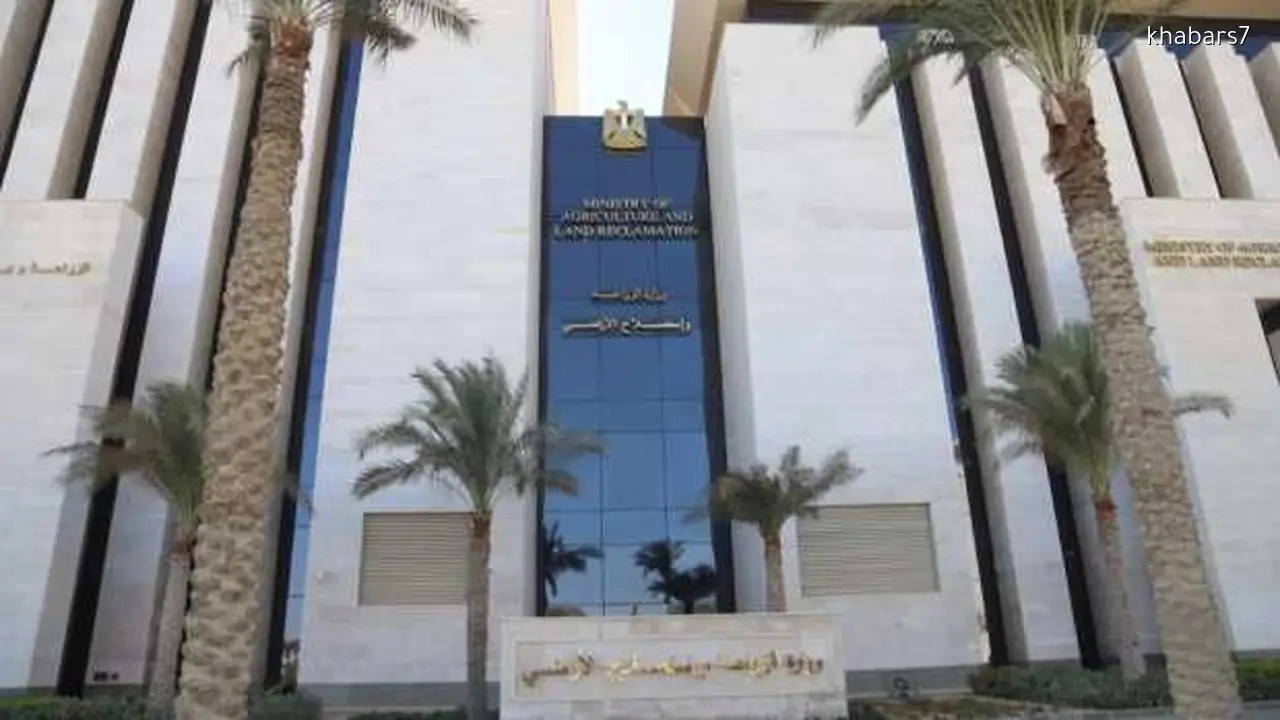
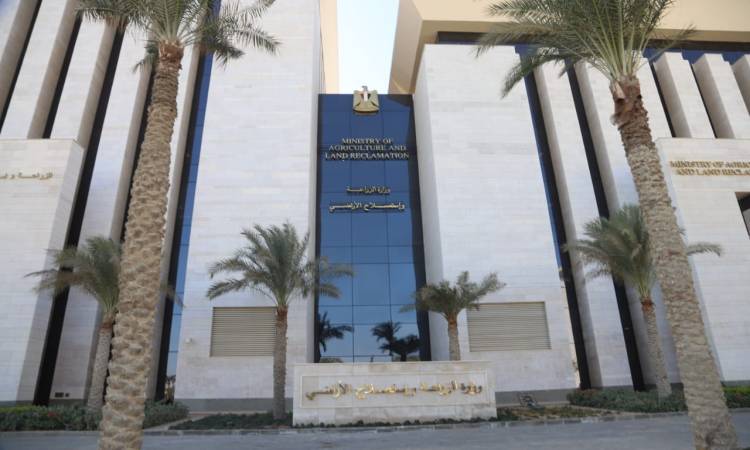
Ministry of Agriculture.
In response to recent discussions regarding the potential cancellation of subsidized fertilizer distribution, Egypt’s Ministry of Agriculture and Land Reclamation has reaffirmed that the system for providing and distributing subsidized fertilizers remains fully operational. There will be no changes affecting the allocation for crops such as wheat, rice, corn, and most other field crops. This ensures that support reaches those entitled to it, with approximately 5 million farmers currently holding smart cards to access their subsidized fertilizer allocations.
The ministry further explains that current agricultural policies are shifting towards the rational use of nitrogen fertilizers due to their negative effects on soil health and human well-being. Global trends are increasingly focused on enhancing public health. Soil analyses in Egypt have revealed significant accumulations of urea and nitrates, necessitating a scientific reorientation of fertilization practices across all agricultural lands. This accumulation can lead to a decline in the quality of agricultural produce and disrupt the chemical balance in the soil, as soil requires a balanced supply of nutrients beyond just nitrogen.
The ministry emphasizes that nitrogen fertilizers are only one type of fertilizer; other types such as potassium, phosphorus, and micronutrients must also be considered in fertilization processes. An imbalance or excess of any single nutrient can adversely affect a plant’s ability to absorb other nutrients, diminishing the quality of Egyptian agricultural products. Additionally, excessive use of nitrogen fertilizers can compromise the nutritional and market value of crops.
Consequently, the ministry urges farmers to adopt smart fertilization methods according to a comprehensive fertilization map tailored to actual needs based on chemical analyses. This approach aims to prevent fertilizer wastage and rising costs while ensuring sustainability in the agricultural sector and achieving food security for the nation.
Comments