

Agriculture Minister Urges Fair Pricing for Fertilizers to Combat Black Market
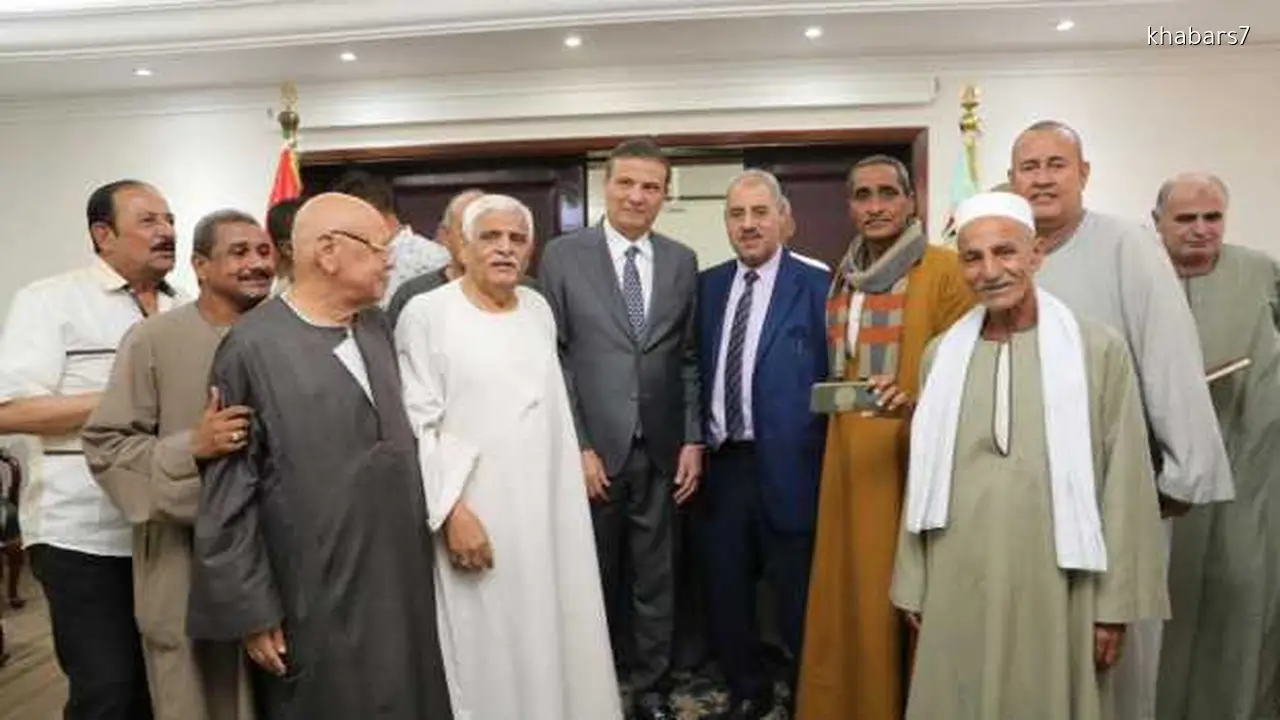
Al-Alaa Farouk, Egypt’s Minister of Agriculture and Land Reclamation, convened a comprehensive meeting with representatives from agricultural cooperatives nationwide. The session was attended by the head of the Central Union of Agricultural Cooperatives and leaders from various agricultural credit and land reclamation associations, alongside farmers representing different governorates. The primary focus was to discuss the implementation mechanisms for fertilizer distribution and ensure a steady supply of production necessities, aimed at enhancing the efficiency of the agricultural sector and addressing farmers’ needs.
Among those present were Dr. Ahmed Ezaam, Head of the Sector for Cooperatives, Directorates, and Training, and Dr. Rehab Abdullah, Head of the Central Administration for Agricultural Cooperation. The discussions included reviewing regulations designed to tighten oversight over the fertilizer distribution system to ensure that support reaches eligible farmers without any discrepancies. Emphasis was placed on providing adequate production supplies in appropriate quantities while achieving absolute fairness in distribution across various governorates.
The Minister stressed the importance of ongoing coordination with fertilizer production companies to guarantee timely delivery of designated quotas that align with agricultural seasons, thus preventing market bottlenecks. Additionally, he highlighted the necessity of supplying free fertilizers through agricultural cooperatives at fair prices to mitigate black market manipulation and ease financial burdens on farmers.
The meeting also addressed strategies for providing alternatives and modern agricultural inputs that would contribute directly to reducing reliance on traditional chemical fertilizers. This initiative aims to lower production costs while achieving high yields per feddan that meet global standards while preserving environmental integrity and maintaining soil fertility for future generations.
Extensive discussions took place regarding enhancing the developmental role of agricultural cooperatives beyond traditional service functions. This includes establishing cooperative production projects that directly benefit farmers and contributing to the “productive village” initiative aimed at leveraging each Egyptian village’s unique productive advantages. Such efforts are expected to create real job opportunities for youth in rural areas and significantly improve incomes and living standards for rural families.
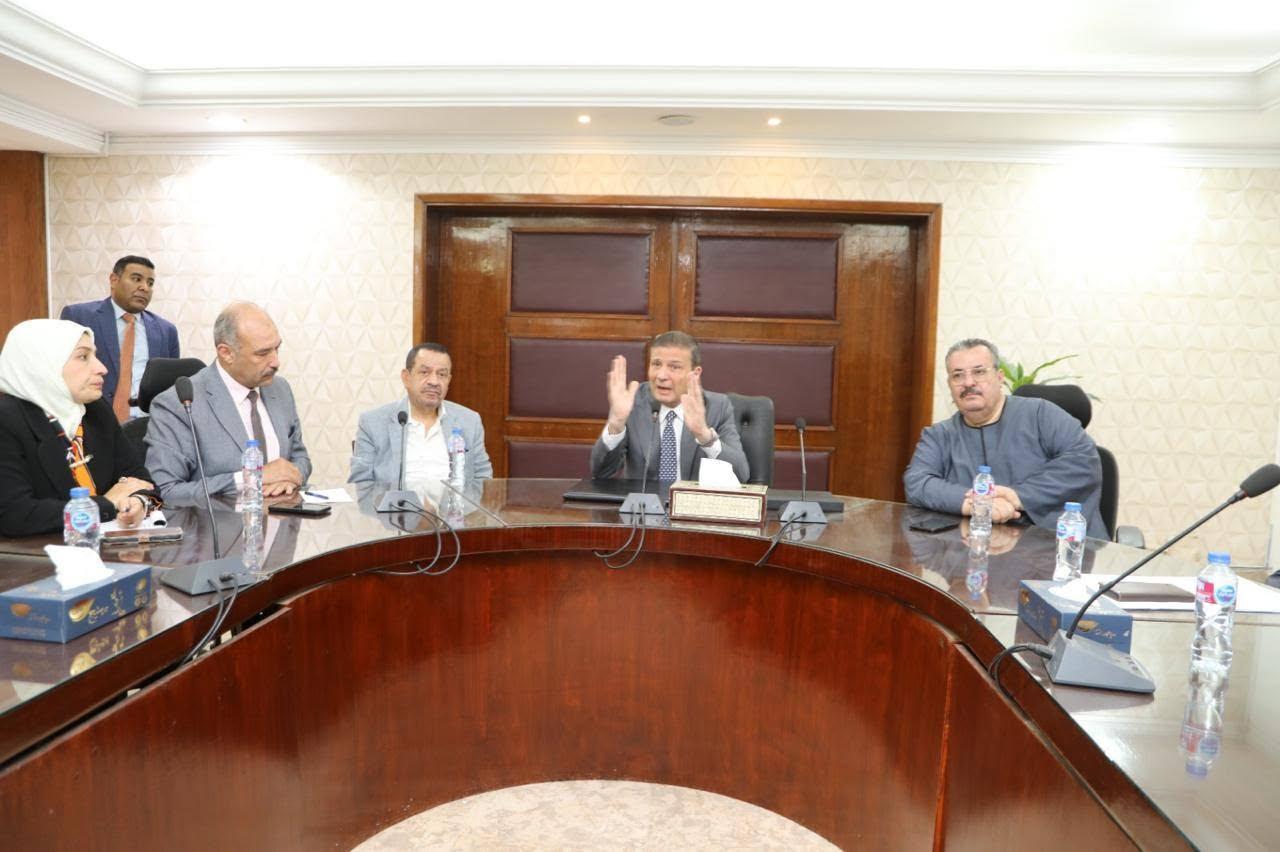
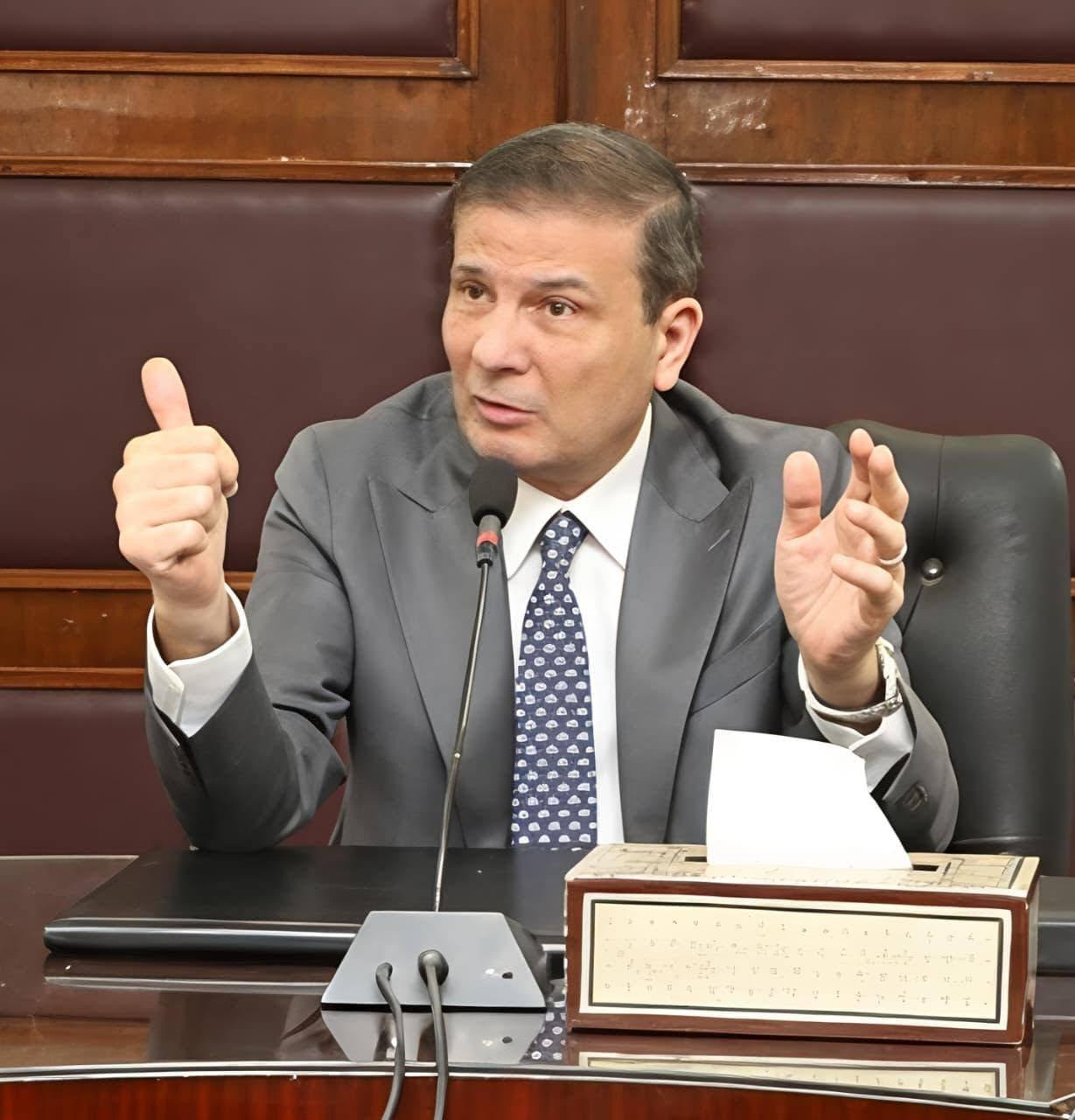
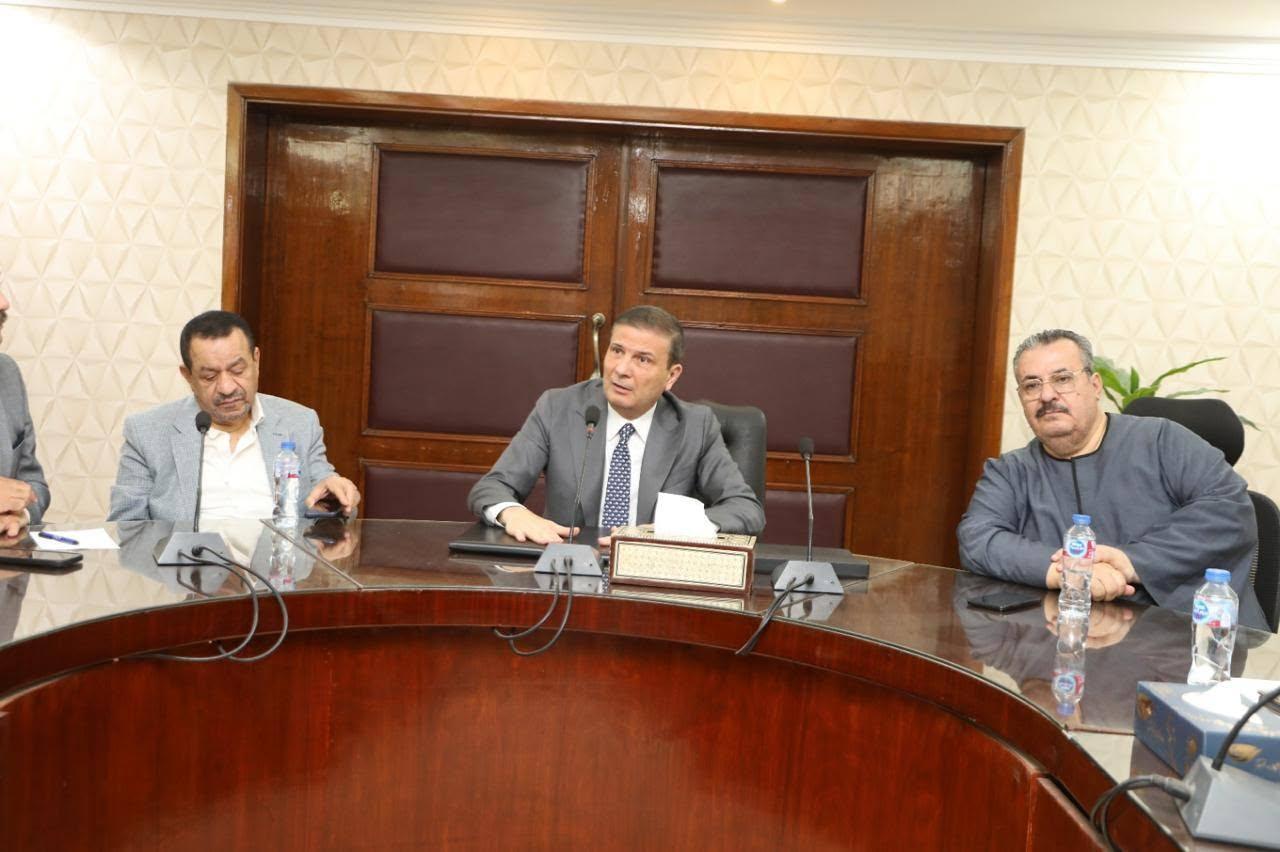
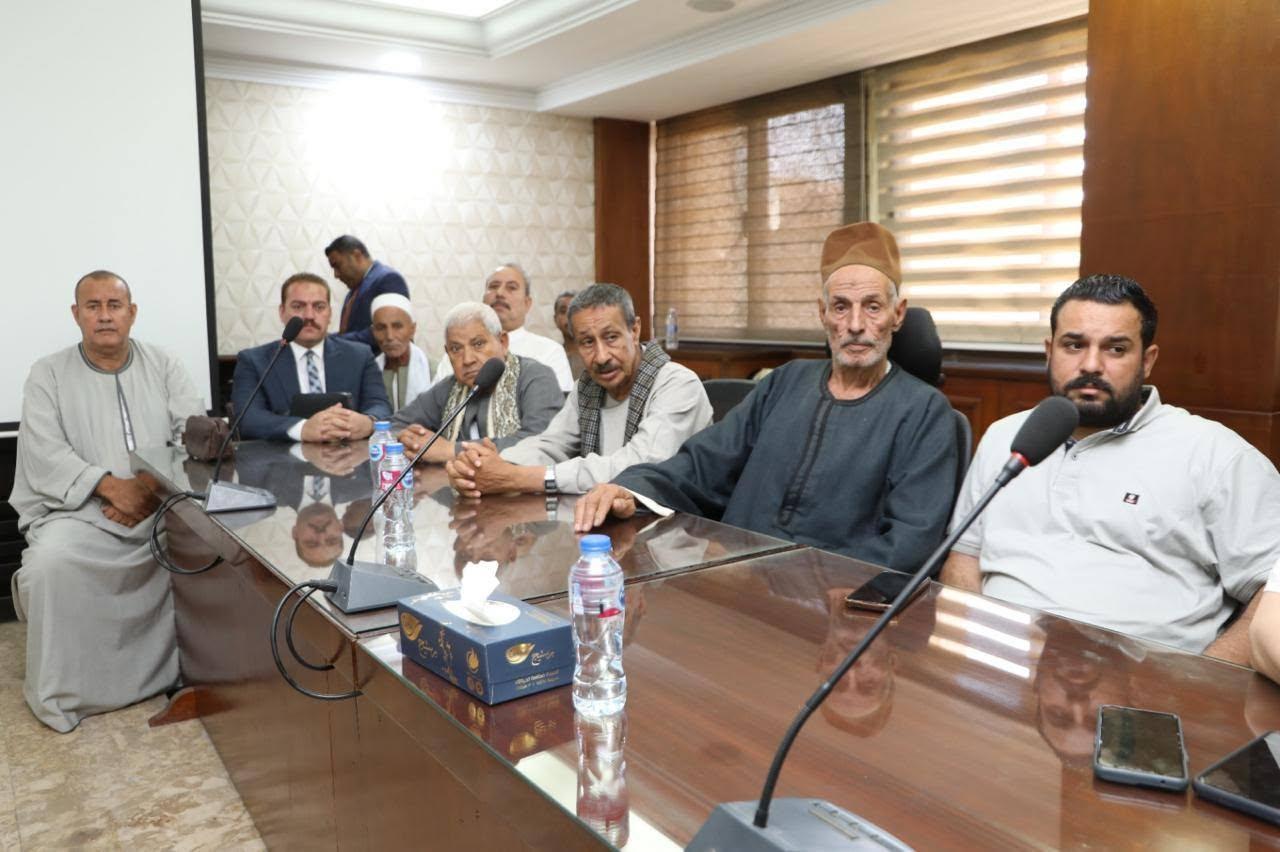
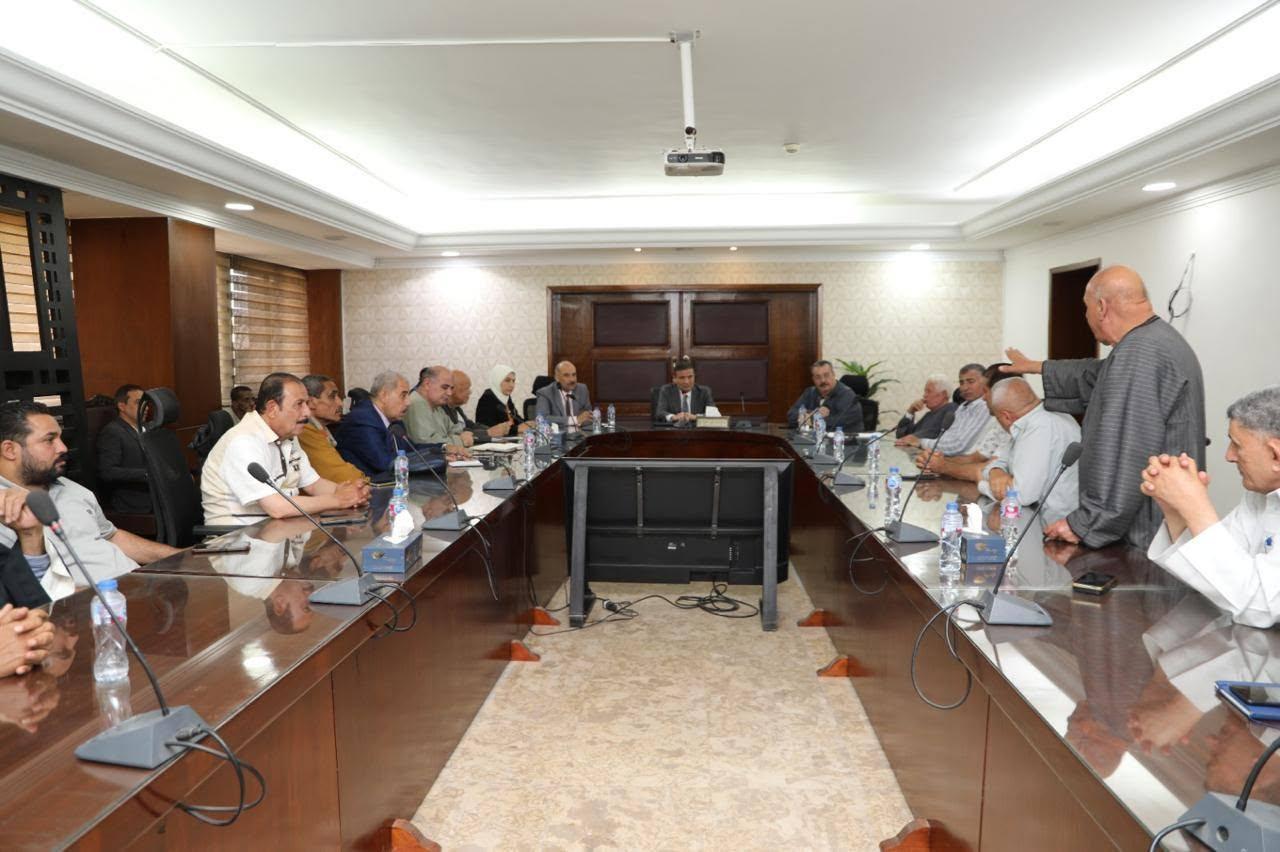
During the meeting, Minister Farouk attentively listened to farmers’ representatives as they raised various challenges and issues they face. He instructed ministry officials to develop immediate and effective solutions to these obstacles, assuring attendees that his office is always open to farmers. He also committed to holding regular meetings to ensure continuous monitoring of agricultural sector issues.
Leaders from cooperatives and farmer representatives praised this proactive communication approach by the Minister, appreciating his commitment to engaging directly with Egyptian farmers’ concerns. This reflects a genuine desire to develop the sector and overcome challenges faced by producers.
Farouk reiterated the ministry’s dedication, along with state agencies, to provide unwavering support for farmers. He emphasized that Egyptian farmers are fundamental to national food security and are vital to the agricultural economy. All current and future efforts by the ministry prioritize removing obstacles for farmers while creating a stable and encouraging production environment.
Comments