

Former Minister Discusses Educational Implications of New Religious Education Passing Requirement
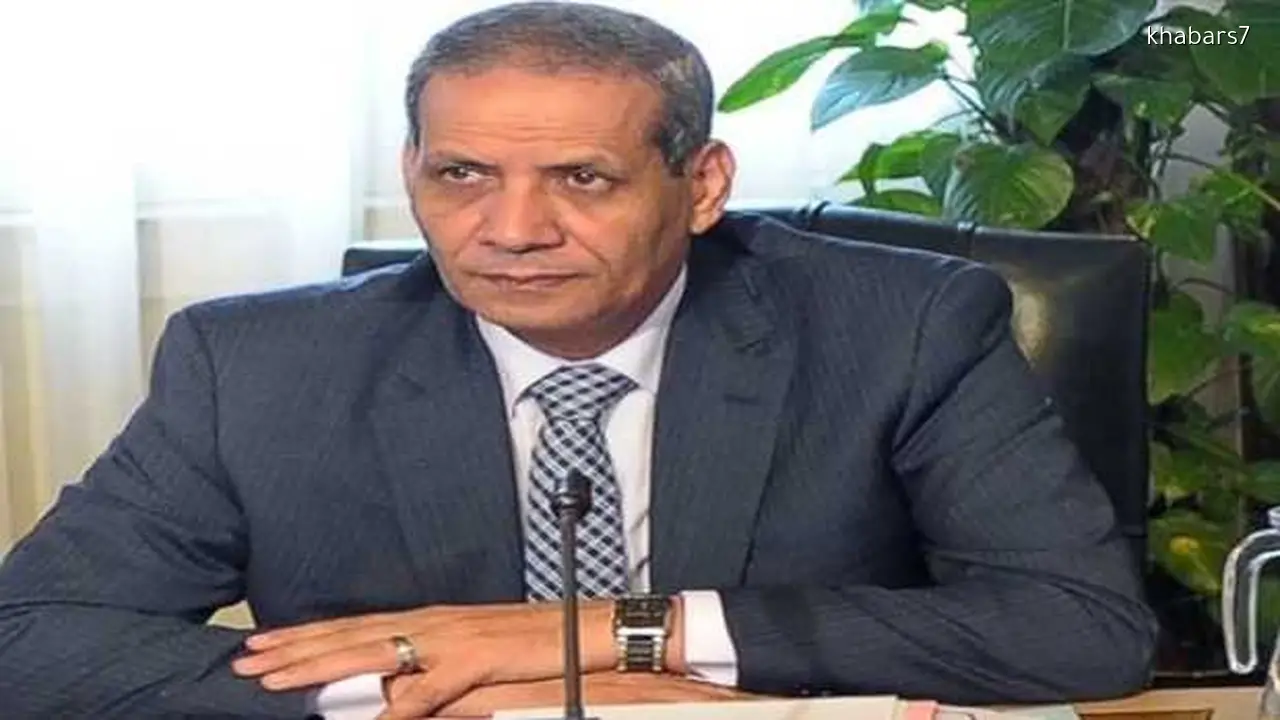
الهلالي الشربيني.
Dr. El-Hilali El-Shorbany, a professor of educational planning at Mansoura University and former Minister of Education, has provided an educational analysis regarding the recent decision by the Ministry of Education to classify religious education as a pass/fail subject that does not contribute to the overall grade. Students are now required to achieve a minimum score of 70% to pass.
The new academic year for high school students commenced on Sunday, with exams held for both religious education and national education subjects. According to the ministerial decision, passing the religious education subject, which has a maximum score of 25 points, requires students to obtain at least 17.5 points—significantly higher than the previous threshold of 12.5 points set for other non-contributory subjects.
This change has sparked controversy following the failure of many students in intermediate and preparatory levels in the religious education subject due to the increased passing requirement.
The former minister noted that designating religious education as a core subject requiring a minimum passing grade has generated widespread discussion within educational, community, and social circles. Opinions are divided; some view this decision as a crucial step in promoting cultural, ethical, and religious values among students, while others criticize it as an additional burden on the educational process or a departure from modern assessment philosophies.
Reflecting State’s Desire to Elevate Subject’s Status
El-Shorbany emphasized that this debate is particularly significant because religious education is not merely a traditional school subject; it plays a vital role in character formation and establishing the values and behaviors necessary for both individuals and society. Consequently, discussions surrounding this decision should transcend personal biases or initial impressions to address its educational, philosophical, and social dimensions comprehensively.
For decades, religious education has been taught in Egyptian schools as an essential subject without its grades contributing to students’ overall scores. As a result, many students and parents treated it as having limited impact on academic progression compared to other subjects affecting their totals. This attitude sometimes led to decreased interest in the subject among certain student groups and relegated it to a marginal status concerning teaching effort and attention.
The current situation underscores that religious education is now treated as a pass/fail subject with specific requirements for success while still not counting towards total grades. This approach reflects the state’s intention to elevate the subject’s importance and highlight its educational and moral significance as an integral part of human development.
Supporters: Religion is Essential for Character Building
Dr. El-Shorbany reviewed perspectives from both supporters and opponents of this new policy. Advocates for establishing a minimum passing grade argue that religious education is not merely supplementary; it represents one of the fundamental components in shaping student character. Therefore, this decision reinstates its educational role rather than treating it as marginal. They assert that modern societies require graduates who possess not only knowledge and skills but also values, ethics, and social responsibility—contributing to a balance between intellectual growth and moral development.
The former minister clarified that imposing a minimum passing requirement does not favor religious education over other subjects but rather places it within its rightful context within the educational framework. Since this decision does not include its grades in total scores, it achieves equilibrium between educational importance without directly affecting university admission opportunities.
This policy may also encourage schools to enhance their teaching methods for this subject and increase focus on it, positively impacting students’ behavior and promoting moderate religious culture.
Opponents: Values Cannot Be Assessed Through Written Exams
Conversely, some opponents argue that student success or failure should fundamentally depend on their knowledge and skills necessary for advancing to higher educational levels. They contend that excluding grades from total scores could raise questions about fairness in assessments.
Another group believes that values and ethics cannot necessarily be acquired through written examinations. Focusing on passing or failing may turn the subject into one reliant on rote memorization rather than understanding and practical application.
A third perspective suggests that raising the required passing threshold could increase psychological pressure on students and their families.
Persistent Questions Arise
The professor noted that opinions from supporters and opponents raise critical questions: Is it feasible to measure religiosity or adherence to values through paper tests? Or is there a need for developing an integrated educational system that translates values into daily behaviors inside and outside school?
El-Shorbany believes that from a neutral educational standpoint, this issue should not be viewed merely as a conflict between proponents and opponents but rather as an opportunity to rethink the role of religious education within schools. If the philosophy behind this decision aims at enhancing values, ethics, and national identity, then it aligns with contemporary trends emphasizing value-based alongside knowledge-based education. However, achieving this goal requires more than just setting passing criteria; it necessitates developing curricula, training methods, and assessment techniques.
The Key Is Transforming Theoretical Education into Behavior
The former minister affirmed that religious education fulfills its true mission when it transitions from mere memorization to understanding, thinking critically, and applying learned behaviors. Students need more than just knowledge of texts; they must learn values such as honesty, integrity, tolerance, respect for others, national belonging, and social responsibility.
The effectiveness of this new approach— which he supports—will largely depend on curricular content quality, teacher proficiency, and assessment methods utilized. If examinations remain focused solely on rote memorization without connecting them with teaching values or fostering awareness alongside positive behavior development then many educational goals may be lost; conversely if they are linked effectively with value-based learning then they could represent significant progress toward building well-rounded individuals who balance knowledge with ethics.
This ongoing discourse around requiring success in religious education highlights broader trends towards enhancing value-oriented aspects within Egyptian education systems. Amidst support or opposition lies an essential truth: The challenge is not merely about having this subject or requiring success therein but how best we can leverage it into an effective instrument for nurturing capable Egyptian citizens who harmonize academic excellence with ethical conduct alongside professional competency coupled with community responsibility. Successful education should cultivate not only superior intellects but also virtuous citizens contributing positively toward national advancement.
Comments