

Health Ministry Conducts Workshops to Enhance Leprosy Control Efforts
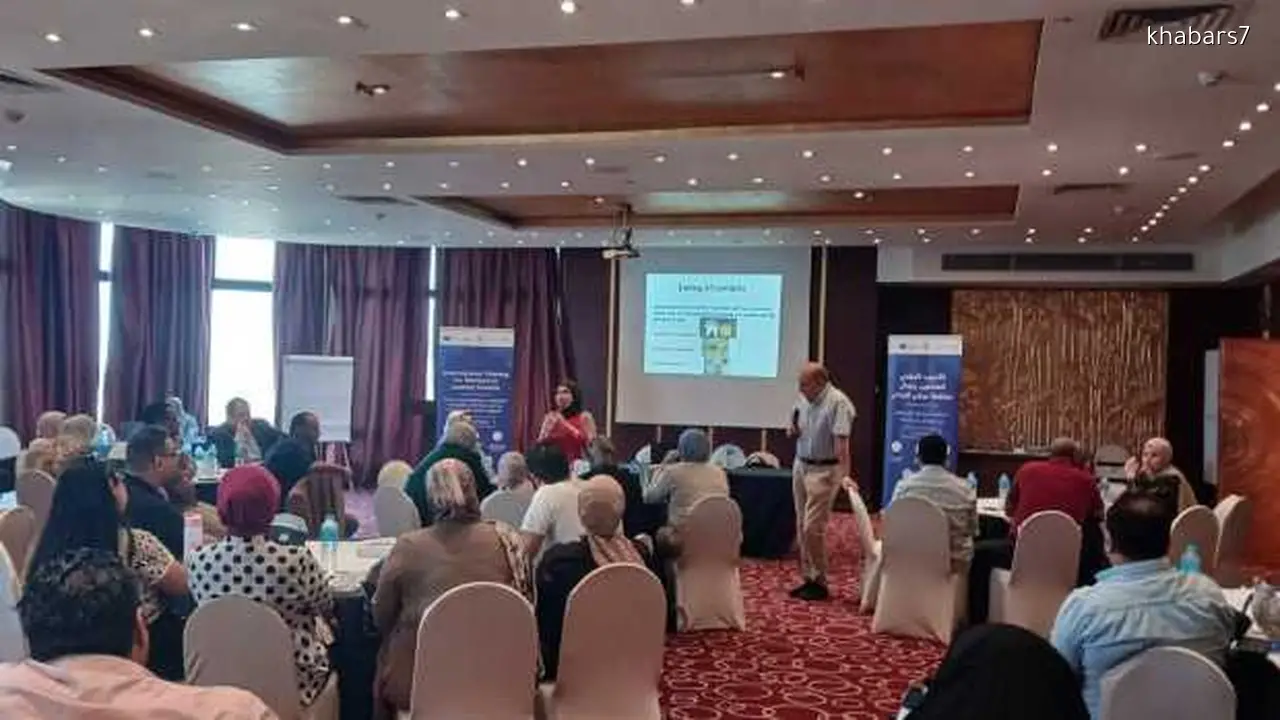
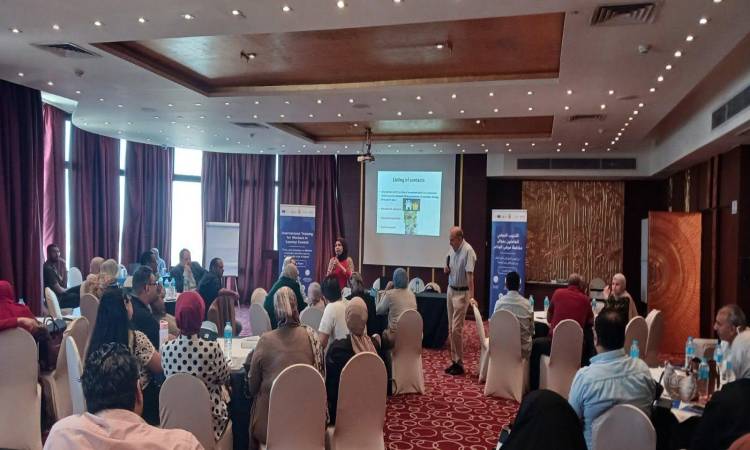
جانب من اللقاء.
The Ministry of Health and Population has organized two technical and medical workshops for professionals involved in leprosy control, featuring an international expert, in collaboration with the International Organization for Migration and the World Health Organization.
This initiative is part of the ongoing efforts of the Technical Committee for Leprosy Elimination and aligns with the ministry’s plan to eradicate the disease by 2030.
Dr. Amr Qandil, Deputy Minister of Health and Population, emphasized that enhancing the skills of medical personnel in diagnosis and treatment ensures high-quality health services, promotes early detection, and facilitates effective treatment in line with sustainable development goals.
He stressed the importance of continuing training programs, utilizing World Health Organization experts to apply the highest international standards.
Dr. Radi Hamad, Head of Preventive Medicine and Public Health Sector, noted that the workshops will be conducted in two phases, targeting the training of 36 laboratory technicians, 110 directors of endemic diseases, leprosy officials, and dermatologists across all governorates. A practical training day will also be held at a dermatology clinic in Cairo following the latest global guidelines.
Carlos Oliver Cruz, Head of the International Organization for Migration mission in Egypt, expressed pride in this partnership that supports national efforts to eliminate leprosy and enhance access to early detection and treatment services. He commended the ministry’s efforts to reach vulnerable populations.
In this context, Dr. Nahla Gamal El-Din, Disease Control Officer at WHO Egypt, stated that eliminating leprosy begins with building a trained health workforce capable of reaching every patient promptly. She highlighted that effective partnerships between national and international entities are key to overcoming health challenges.
The Ministry of Health and Population reaffirms that knowledge, continuous training, and international partnerships are fundamental pillars for achieving a healthier future where human dignity is preserved and health rights are guaranteed for all. The implementation of the national plan to eliminate leprosy by 2030 will continue unabated.
Comments