

WHO Commends Egypt’s Universal Health Insurance Model as a Regional Benchmark
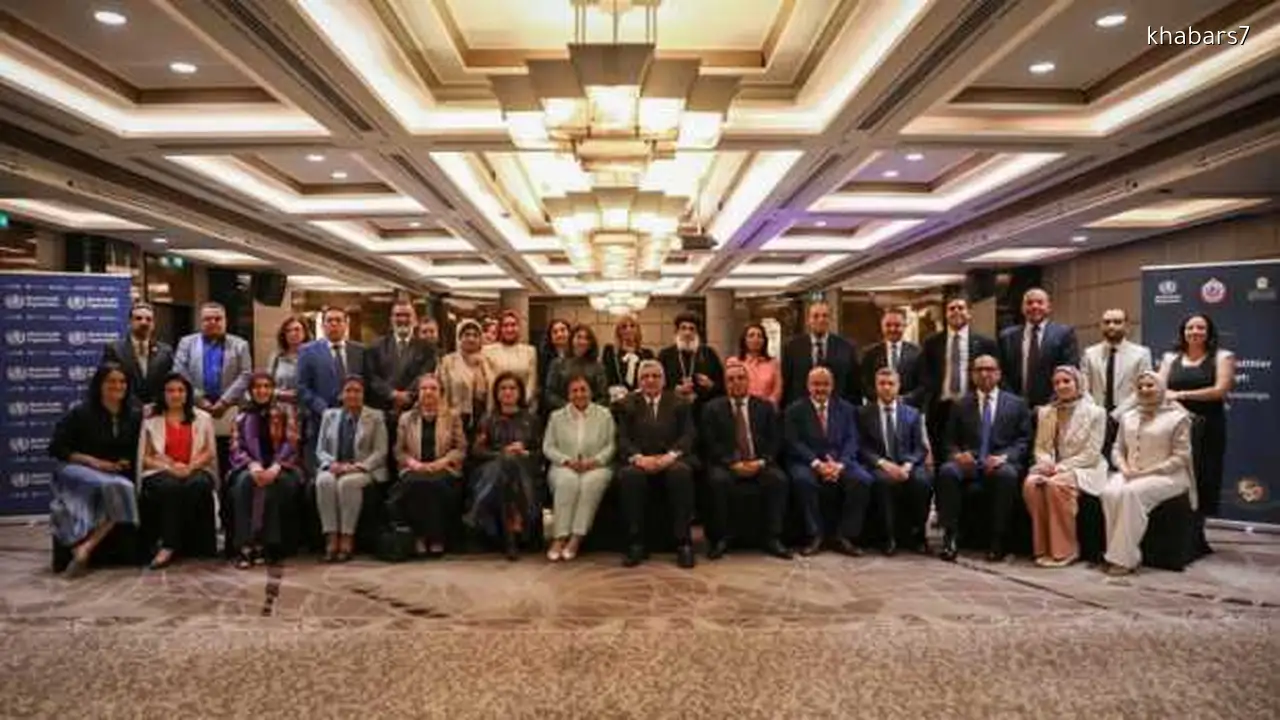
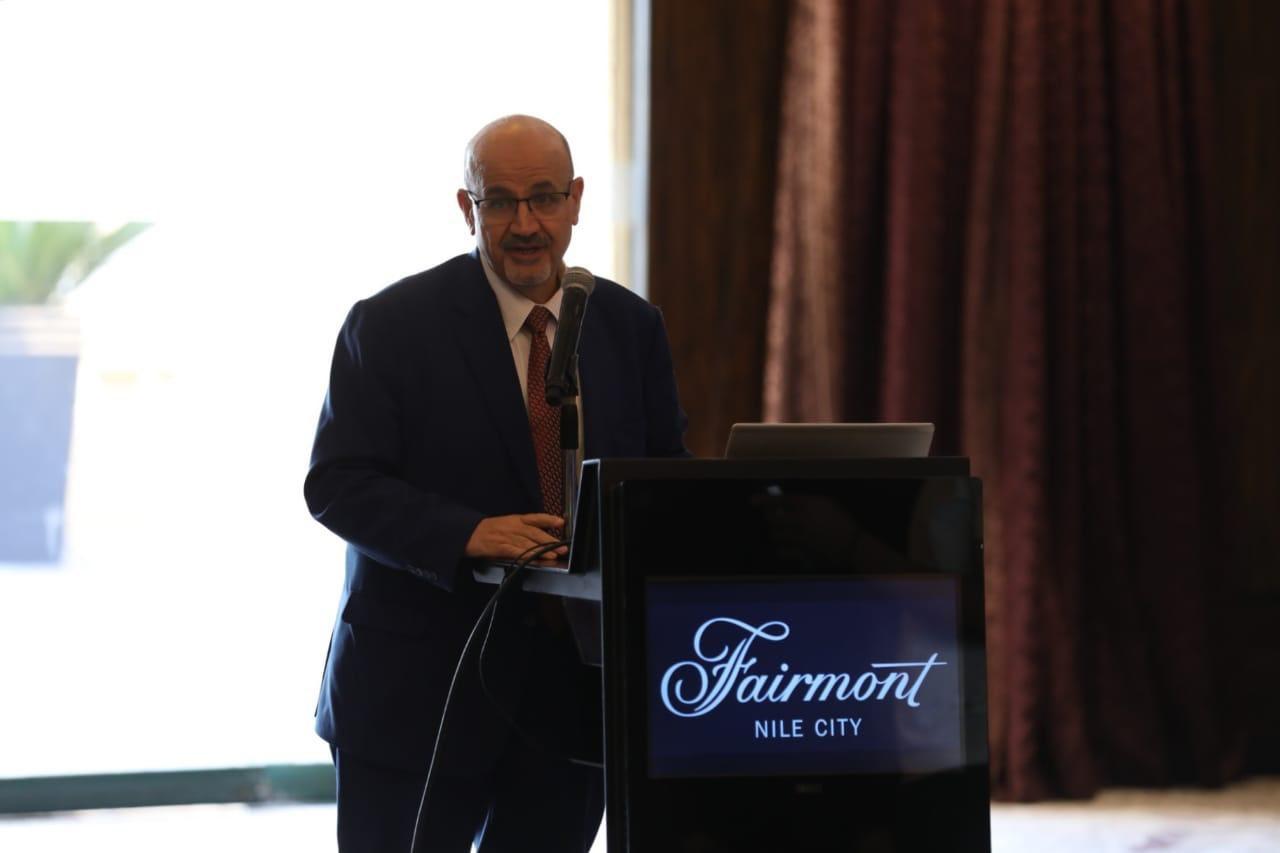
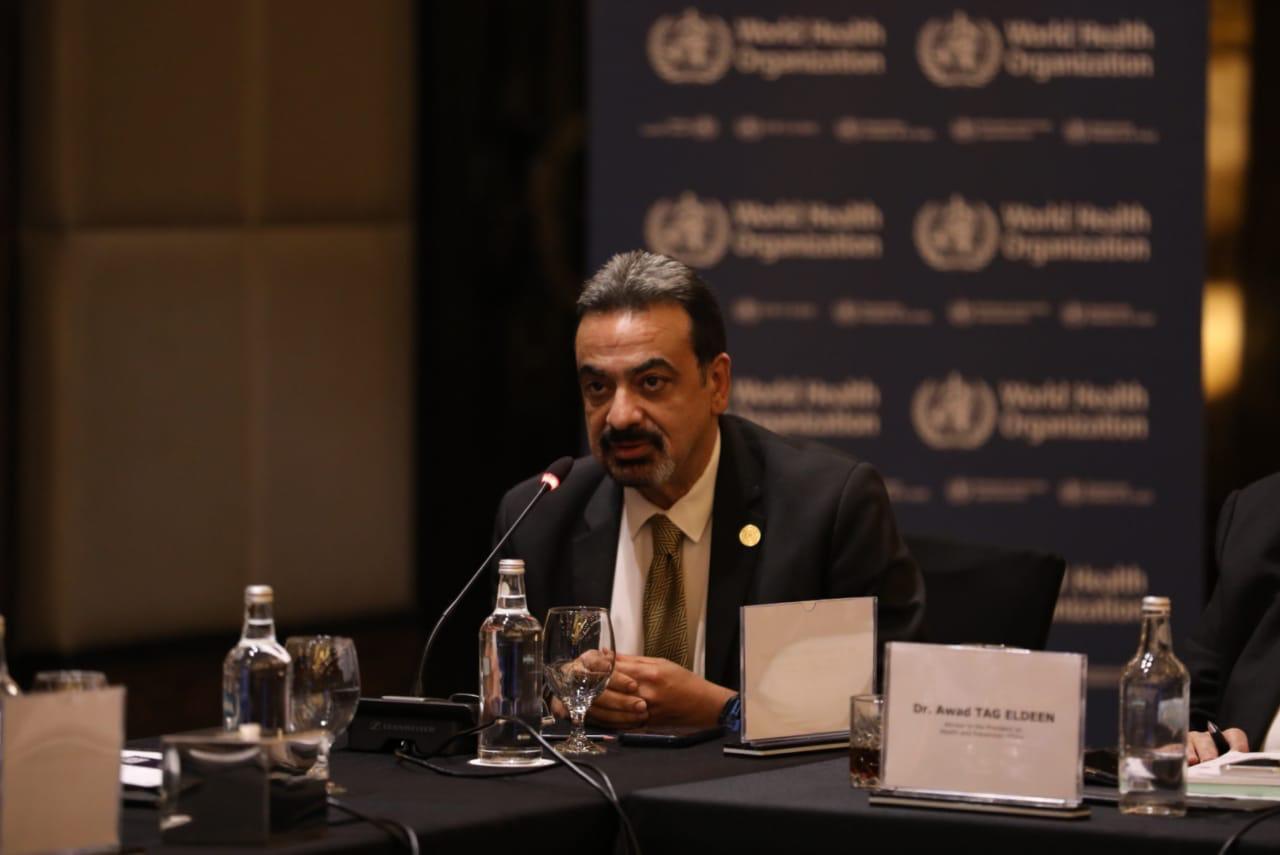
The Ministry of Health and Population participated in a roundtable organized by the World Health Organization (WHO) Office in Egypt, titled “Together for a Healthy Future in Egypt: Strengthening Partnerships for Health.” The event brought together representatives from government, religious organizations, international partners, health experts, and civil society.
Dr. Abla El-Afifi, Deputy Minister of Health and Population and General Supervisor of the National Population Council, represented Minister Khaled Abdel Ghaffar. She emphasized that the strategic partnership with WHO has significantly contributed to tangible achievements in health and population issues. This collaboration supports the government’s efforts to enhance the healthcare system and improve service quality in alignment with Egypt’s Vision 2030.
Dr. El-Afifi conveyed the minister’s greetings and expressed Egypt’s appreciation for WHO as a key partner in health system development. She noted that the cooperation agenda encompasses a lifespan approach to health, addressing maternal and child health, adolescent care, and elderly services through primary healthcare development, comprehensive health coverage support, workforce development, disease prevention and control, emergency preparedness, digital transformation, and strengthening pharmaceutical systems.
She highlighted Egypt’s notable progress in reducing maternal mortality rates and improving maternal and child health indicators. Additionally, she mentioned advancements in healthcare infrastructure, the universal health insurance system, vaccination protocols, surveillance systems, and early warning mechanisms. Furthermore, Egypt has actively participated in World Health Assembly activities and has been selected for working groups focused on achieving Sustainable Development Goals (SDGs) 2030, particularly concerning maternal and child health, midwifery care, and elderly services.
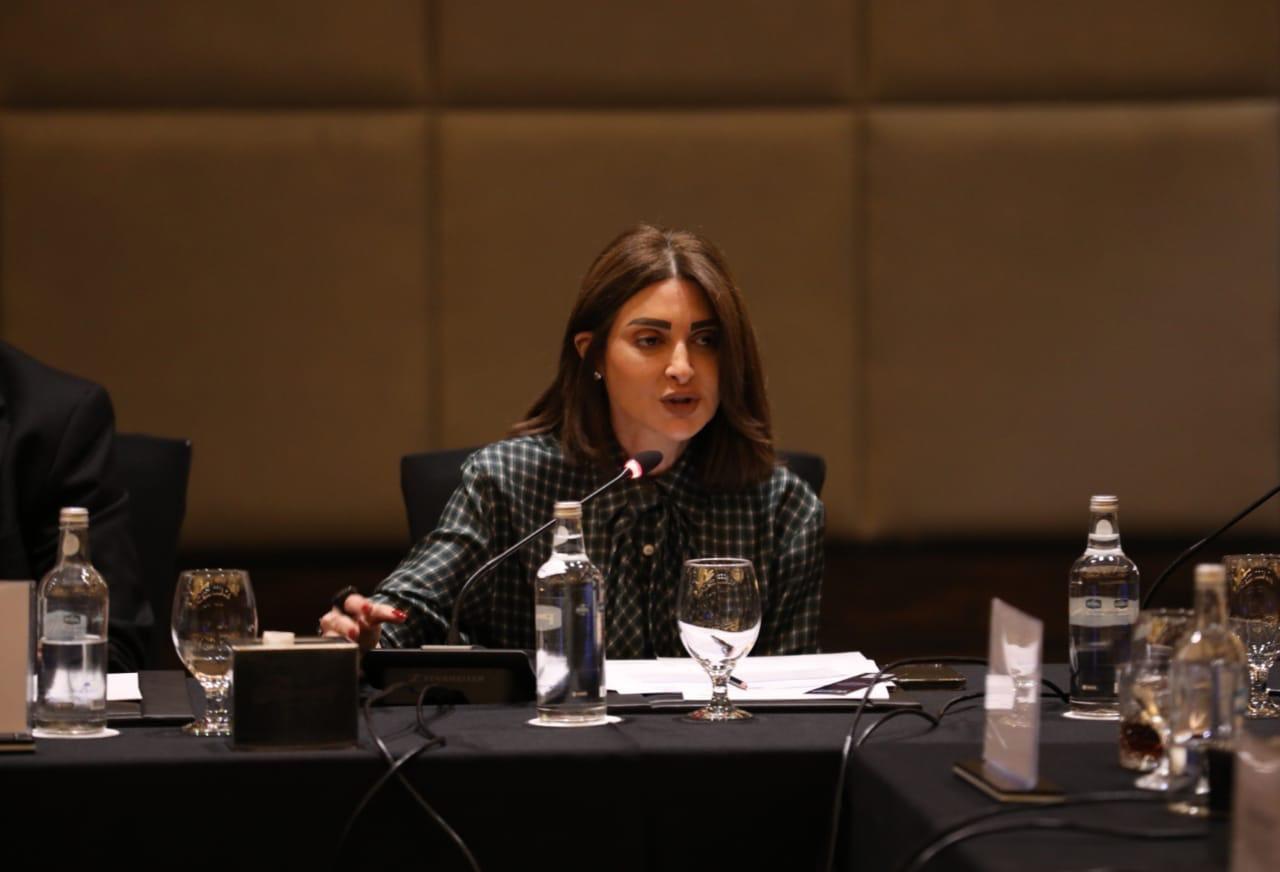
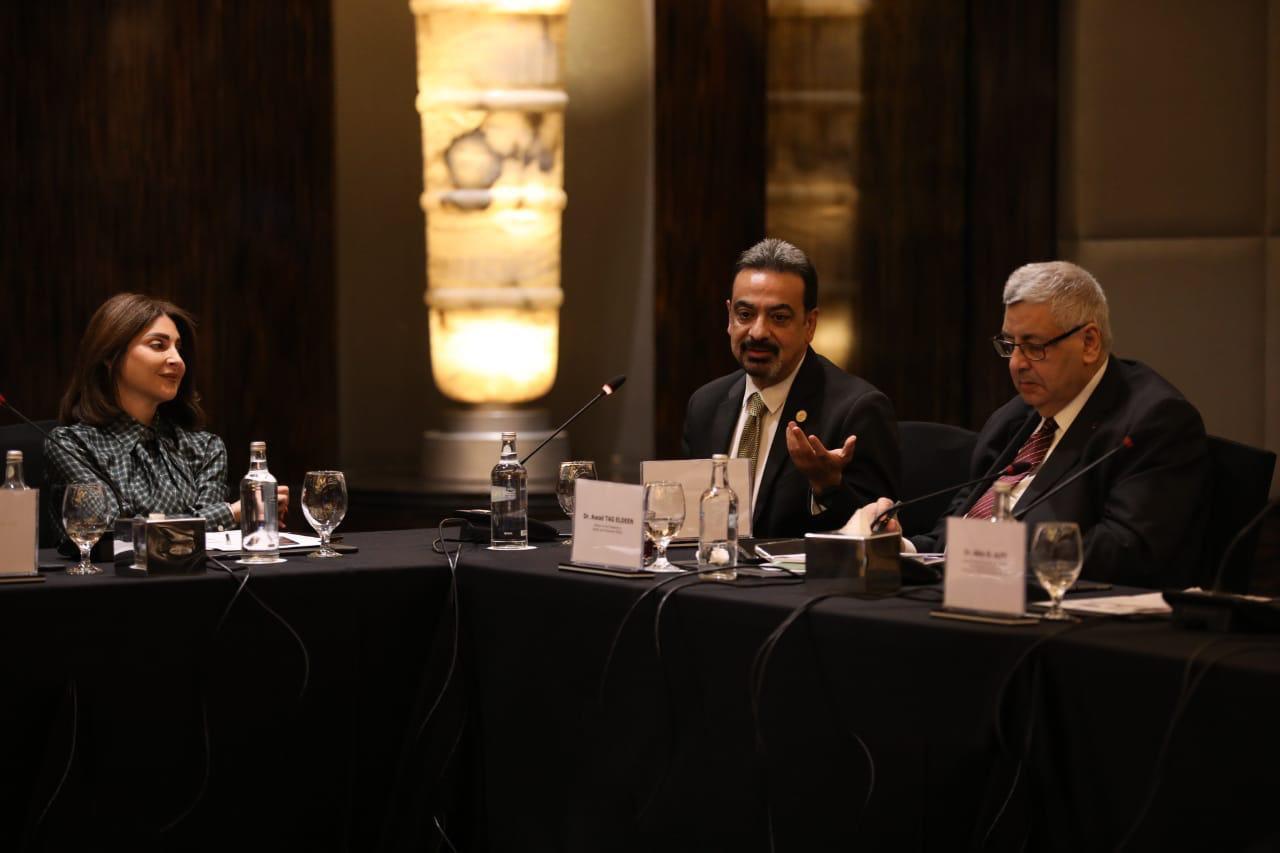
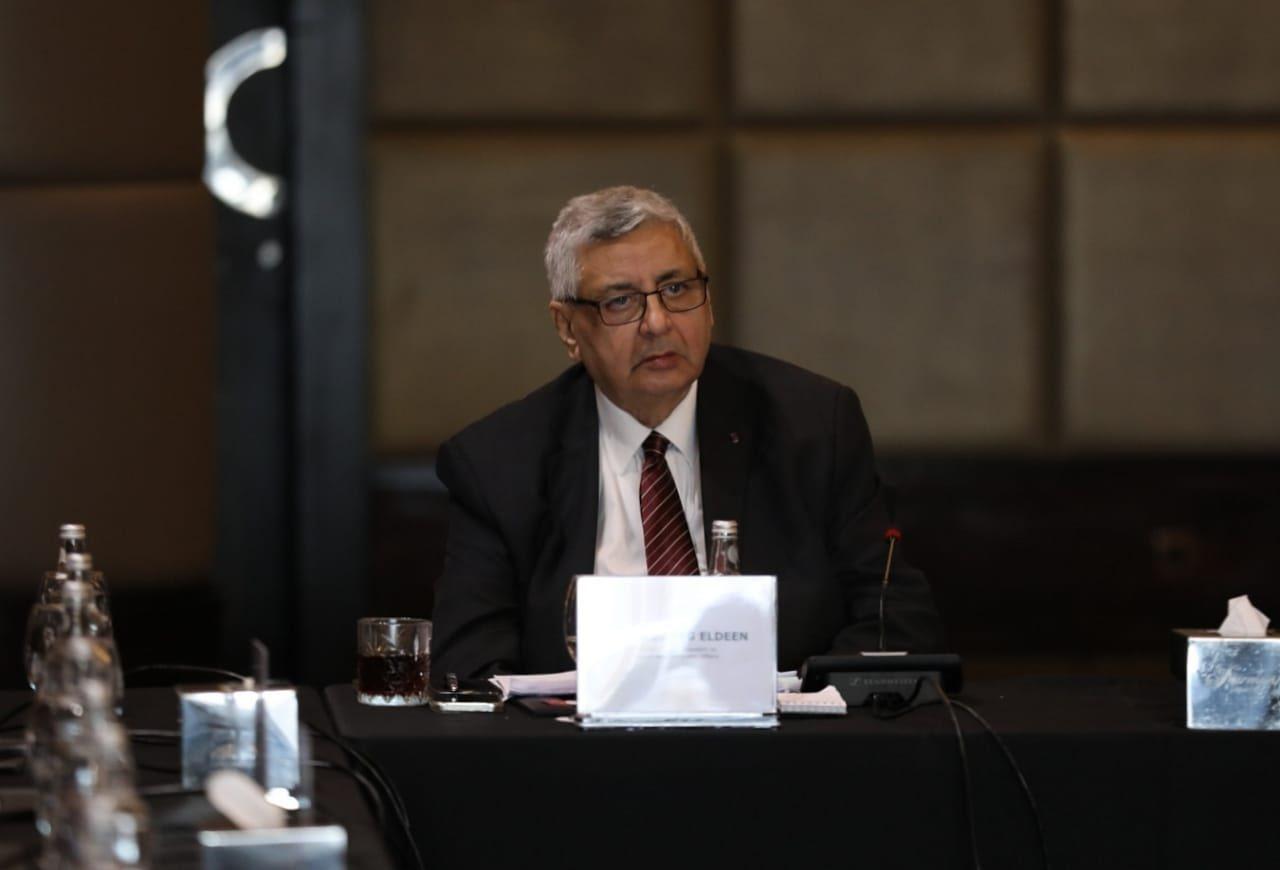


Dr. El-Afifi also underscored the achievements of Egyptian professionals who have received international recognition, including Dr. Amr Qandil’s Nelson Mandela Award and Dr. Mohamed Hassani’s appointment to WHO’s advisory team. She noted that Egypt has become a leading model in midwifery due to qualified personnel training and improvements in maternal and newborn health services.
The urgent population and development plan for 2025–2027 has contributed to increasing green areas across provinces. The “Golden Thousand Days Initiative,” aimed at enhancing maternal and child health with political support, stands out as one of the nation’s major projects.
Dr. Hossam Abdel Ghaffar, the ministry’s spokesperson, affirmed that the government is implementing an integrated strategy based on institutional reform and scientific planning while emphasizing the critical role of local and international partnerships in evidence-based decision-making.
Dr. Hanan Balkhi, WHO Regional Director for the Eastern Mediterranean Region praised Egypt’s achievements despite challenges faced in universal health coverage implementation, digital transformation efforts, disease eradication initiatives, and pharmaceutical industry development—positioning Egypt as a leading regional model.
Dr. Ne’ma Abed from WHO in Egypt commended the strength of partnerships contributing to successful public health initiatives through comprehensive insurance systems.
Dr. Mohamed Awad Tag El-Din, Advisor to the President for Health Affairs and Prevention emphasized that ongoing collaboration between Egypt and WHO has led to significant advancements within the healthcare sector supported by political leadership through universal health insurance initiatives and national health projects aimed at improving service access quality.
Dr. Heba El-Sweidy, Chairperson of Ahl Masr Foundation for Burn Treatment stressed that burn-related issues are among the most complex healthcare challenges requiring prioritization as a national health concern. She expressed gratitude towards both the Ministry of Health and WHO for their collaborative efforts in addressing this matter.
At the conclusion of the roundtable discussion participants reaffirmed their commitment to strengthening partnerships aimed at enhancing service quality while expanding comprehensive coverage to promote public awareness—aligning with Egypt’s Vision 2030 goals toward building a healthier future for upcoming generations.
Comments