

Egypt’s Deputy Health Minister Highlights Maternal and Child Health as National Investment
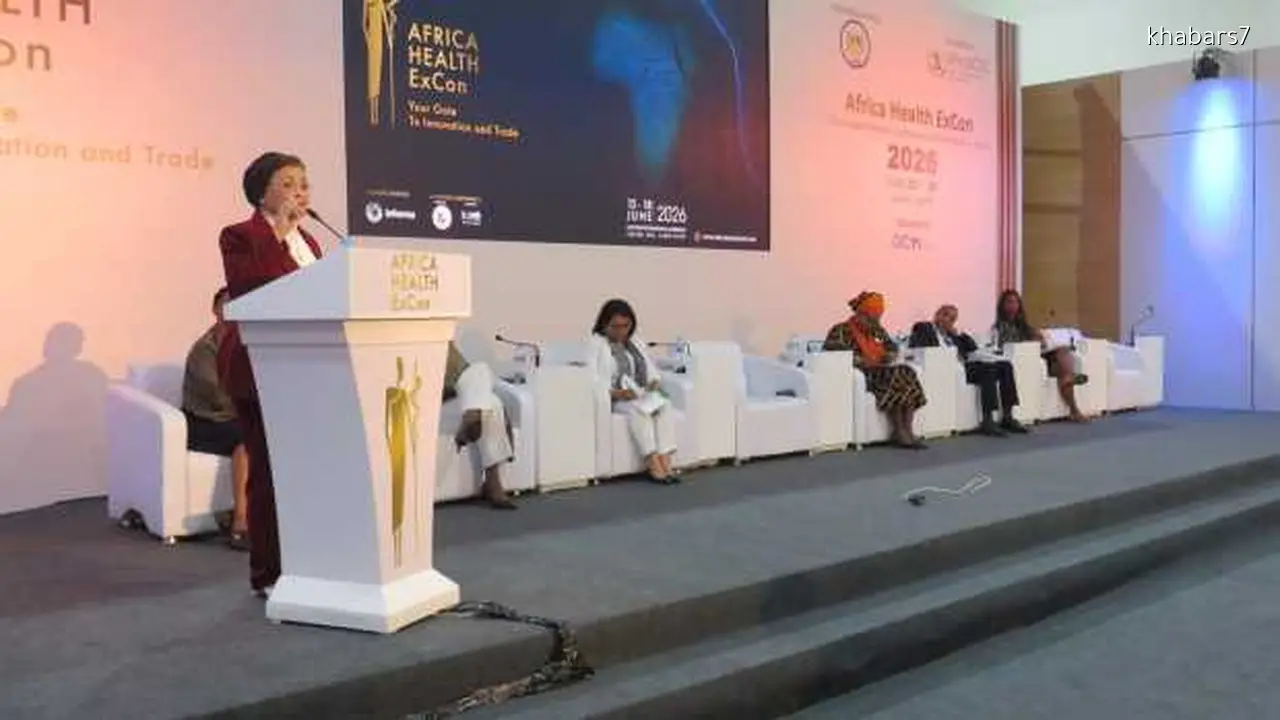
Dr. Abla El-Afify.
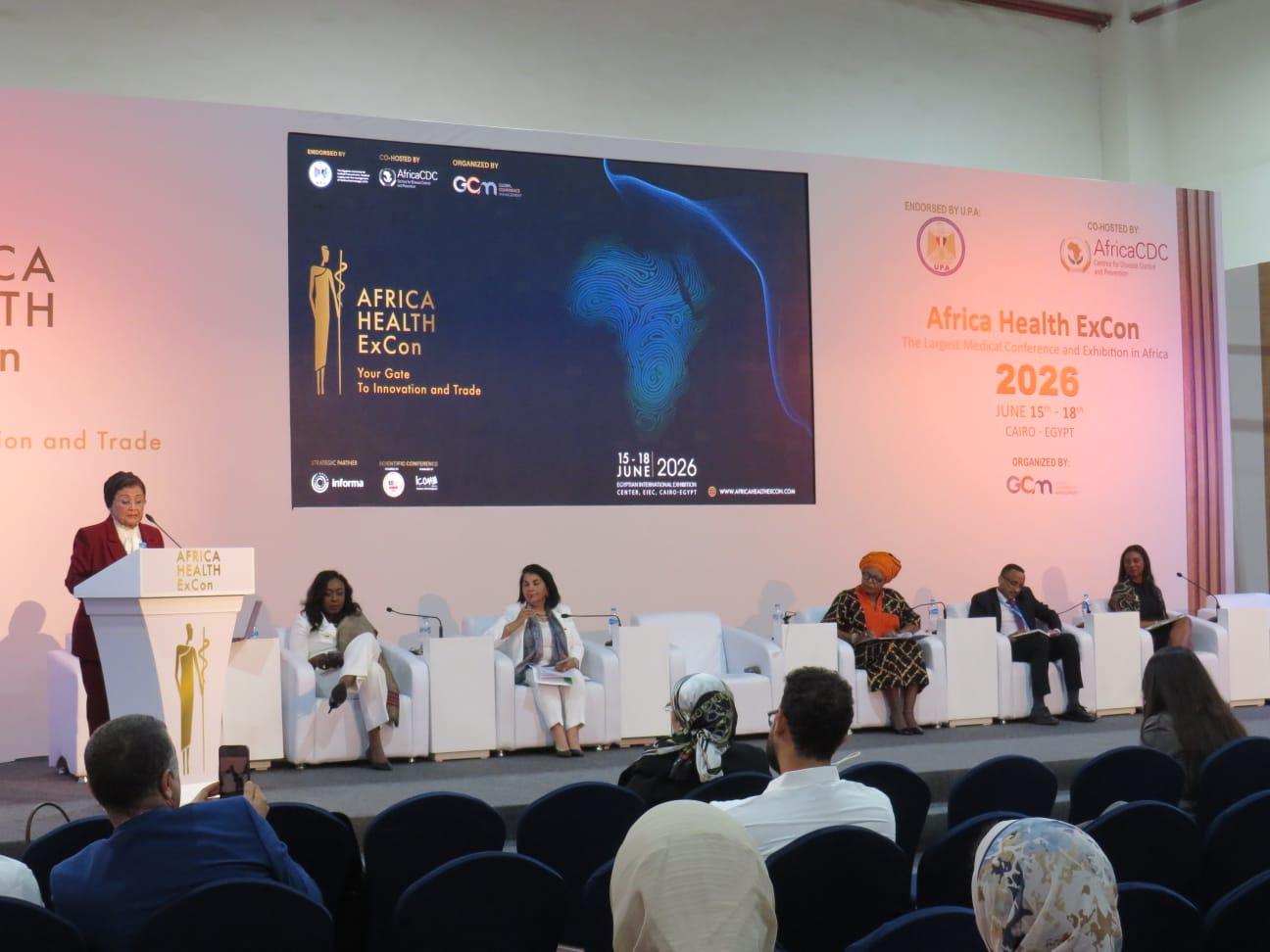
Dr. Abla El-Afify, Egypt’s Deputy Minister of Health and Population, emphasized that the country is adopting a strategic vision that regards maternal and child health as a national and sovereign investment in human capital and economic productivity, rather than merely relying on foreign aid programs.
This statement was made during her participation in a high-level discussion titled “Financing Women, Children, and Adolescent Health: Closing the Funding Gap That Kills,” held as part of the Africa Medical Conference 2026.
Dr. El-Afify noted that this vision aligns with the National Population and Development Strategy (2023-2030) and Egypt’s Vision 2030, integrating maternal and child health into a comprehensive developmental framework that balances resources with population growth, ensuring sustainable development and improved quality of life.
She highlighted the legislative and financial reforms implemented by the government to ensure sustainable funding, including the activation of public planning laws and unified public finance, linking developmental priorities with a medium-term expenditure framework. The complete shift towards program-based budgeting is expected by the fiscal year 2026-2027 to connect financial allocations with measurable health outcomes.
She also reviewed the scale of investments allocated to this sector, revealing that health sector investments for the fiscal year 2025-2026 amount to approximately 111 billion Egyptian pounds. Additionally, presidential initiatives contribute around 87 billion pounds annually for maternal care and 157 billion pounds to combat malnutrition and care for newborns.
Dr. El-Afify stressed that these investments are aimed at addressing specific challenges highlighted by the Egyptian Family Health Survey 2021, including anemia affecting 43% of children and an increase in cesarean births reaching 72%. She pointed out that the costs of inaction far exceed those of early preventive investments.
She underscored the economic return on these investments, citing a study indicating that increasing midwife programs by 25% could save more than 26,000 newborn lives by 2030, yielding an economic return of up to $1.8 billion by 2050. Furthermore, it could save about $35 million annually by reducing unnecessary cesarean sections by 50%.
Concluding her remarks, Dr. Abla El-Afify reaffirmed that protecting the “golden first thousand days” of a child’s life represents one of the most economically and humanely worthwhile investments. She called for enhanced collaboration between governments and development partners to build more resilient health systems capable of ensuring welfare for African populations.
Comments