

Egypt’s Tourism Committee Celebrates Silver Award for Hajj Services
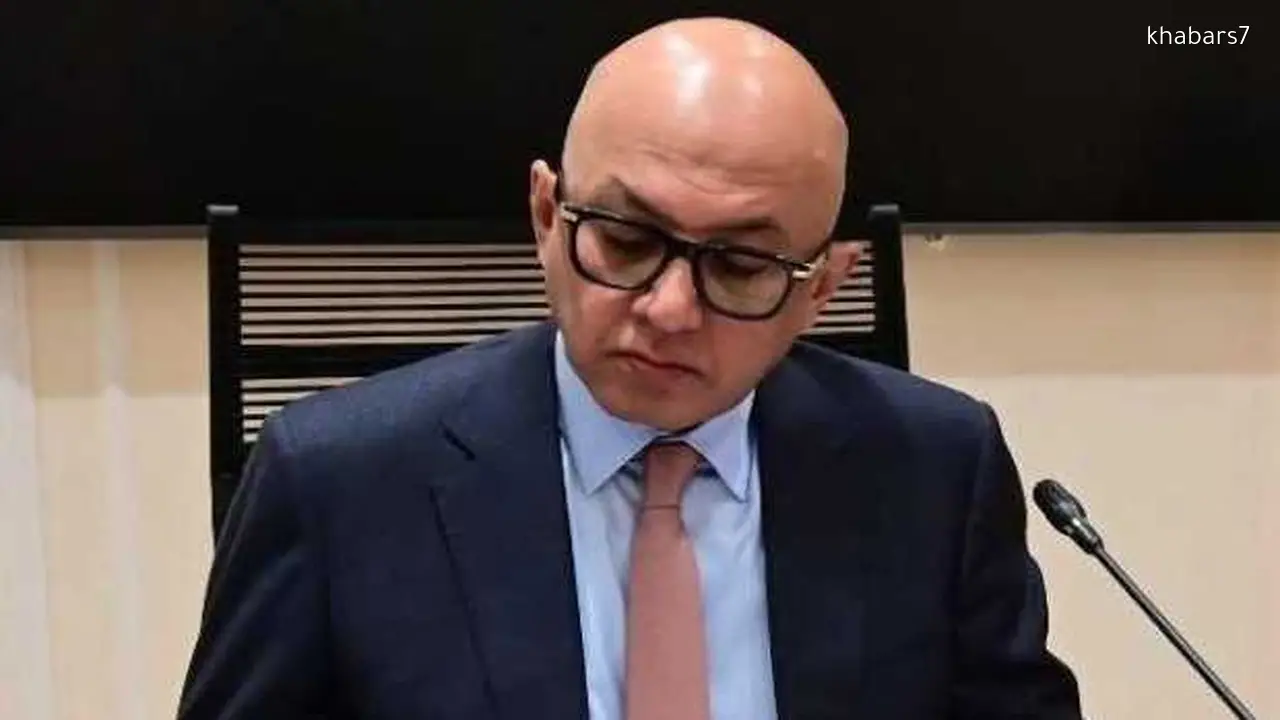
Hesham Hussein.
Hesham Hussein, the Deputy Chairman of the Tourism and Aviation Committee in the Egyptian Parliament, affirmed that the committee’s oversight role will remain active in monitoring various issues related to the ministries of tourism and aviation. He emphasized that addressing any individual shortcomings with firmness does not reflect the overall performance of workers in the tourism sector or the significant efforts being made.
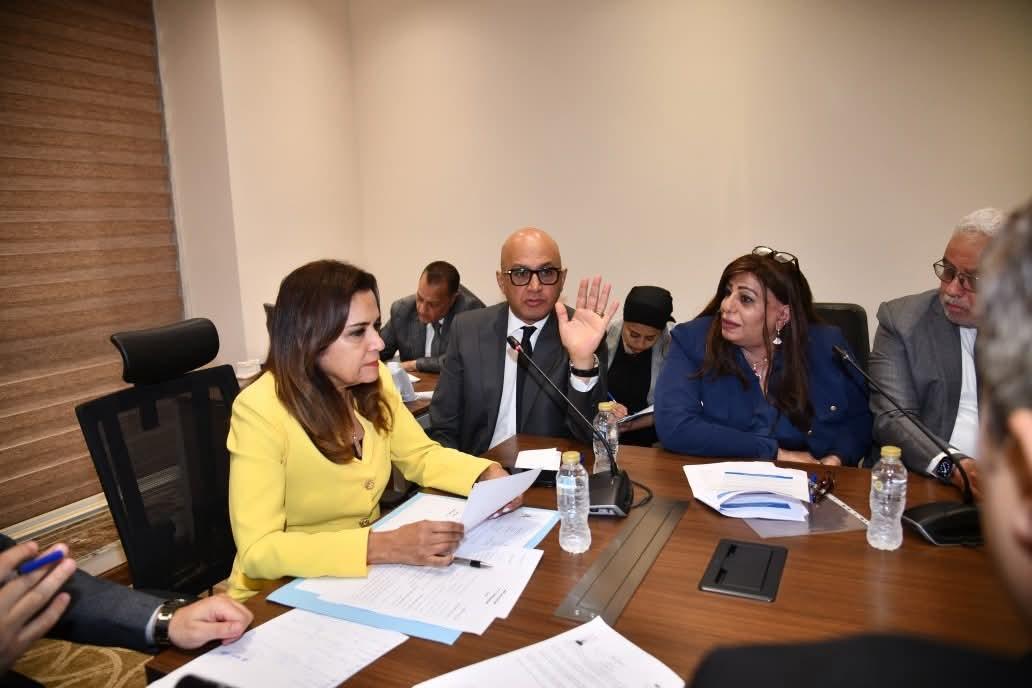
In a post on his official Facebook page, Hussein stated that an objective evaluation of vital sectors should be based on a comprehensive view of results and achievements. He reiterated that individual mistakes or transgressions, regardless of their nature, should not obscure the complete picture or diminish the value of the hard work carried out by thousands in the tourism sector.
The Deputy Chairman pointed out that this year’s Hajj season exemplifies success and collaboration among various relevant authorities. He noted that Egypt’s Hajj Affairs Office successfully received, for the first time, the “Labeit Silver Award” for excellence in serving pilgrims during its fifth edition for Hajj season 1447 AH, within the category of Hajj Affairs Offices.
Hussein added that this prestigious award, presented by the Ministry of Hajj and Umrah in Saudi Arabia, is a culmination of the extensive efforts made by Egypt’s official delegation across its three branches: tourism Hajj, lottery Hajj, and charitable association Hajj. The services provided significantly facilitated pilgrimage rituals and enriched the experience for Egyptian pilgrims while achieving high levels of quality and satisfaction.
The Deputy Chairman reiterated that celebrating major successes and achievements must coincide with exercising oversight functions to identify and address any shortcomings. This balance is essential for enhancing performance efficiency and fostering further development within the tourism system.
He concluded by asserting that establishing accountability principles does not conflict with recognizing achievements; rather, it complements them. This balanced approach enhances citizens’ trust in state institutions, supports ongoing development efforts, and ensures an elevation in service standards within Egypt’s tourism and pilgrimage sectors to match its esteemed position.
Comments