

New State Ownership Policy Framework Addresses Risks and Challenges, Says Deputy Prime Minister
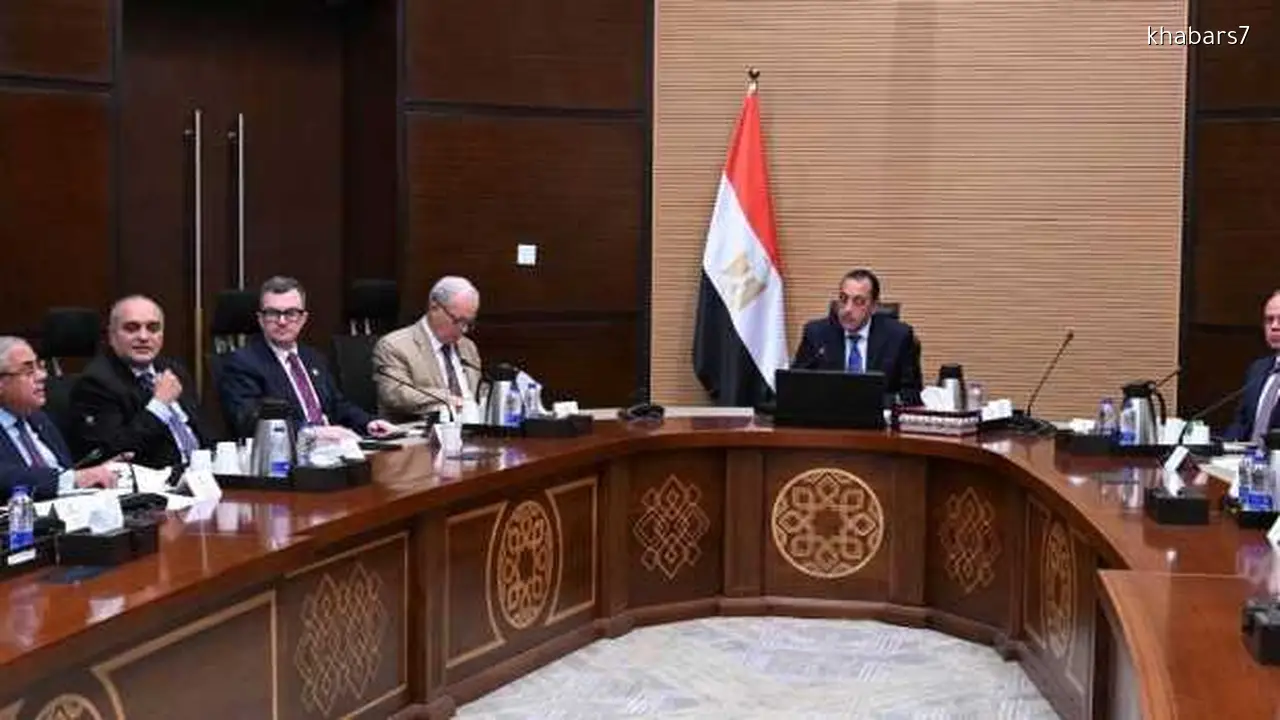
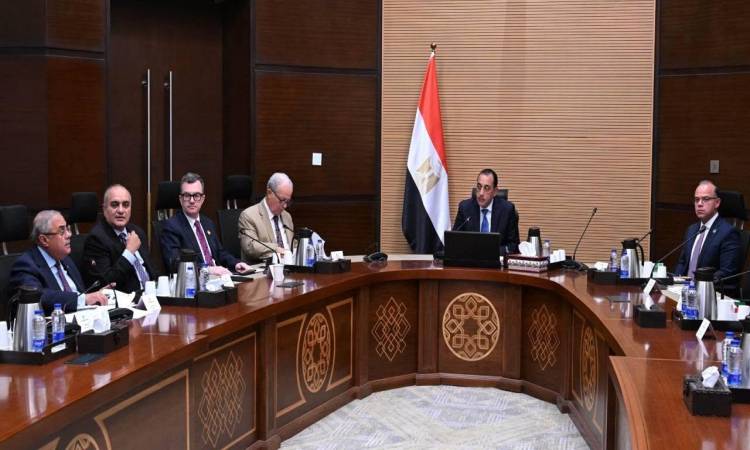
اجتماع رئيس الوزراء.
Dr. Mostafa Madbouly, the Prime Minister of Egypt, convened a meeting today at the government headquarters in the New Administrative Capital to discuss the key features of the executive plan for the State Ownership Policy Document.
The meeting was attended by several high-ranking officials including Dr. Hussein Eissa, Deputy Prime Minister for Economic Affairs; Dr. Mohamed Farid Saleh, Minister of Investment and Foreign Trade; Dr. Ahmed Rustom, Minister of Planning and Economic Development; Yasser Sobhi, Deputy Minister of Finance for Financial Policies; Dr. Osama El-Gohary, Assistant to the Prime Minister and Head of the Information and Decision Support Center; and Dr. Hashem El-Sayed, Assistant to the Prime Minister and CEO of the State-Owned Enterprises Unit, along with other ministry representatives.
During the meeting, Dr. Hashem El-Sayed presented an overview of the executive plan for the State Ownership Policy Document, which was previously directed by the Prime Minister to identify targeted sectors over the next three years.
He explained that the proposed executive plan is based on a comprehensive legal and institutional framework ensuring that its objectives align with the country’s economic and developmental priorities.
Furthermore, he noted that the plan considers outcomes from discussions with international development partners and regional and global economic organizations to translate state governance parameters into clear executable pathways that meet future requirements.
The Deputy Prime Minister emphasized that the proposed executive plan encompasses several key implementation pillars covering various dimensions of institutional and economic reform related to governance and empowering the private sector through several major programs.
He confirmed that the new formulation takes into account all potential risks and challenges associated with implementation phases and processes. This ensures adopting integrated mechanisms for monitoring, evaluation, and risk management to enhance the state’s ability to respond to changes effectively while achieving targeted outcomes efficiently.
The Prime Minister instructed ministries and relevant authorities to review the proposed executive plan’s features and provide their feedback during the upcoming period in preparation for necessary amendments before finalizing it.
Comments