

Expert Highlights Common Mistakes Students Should Avoid Before Final Exams
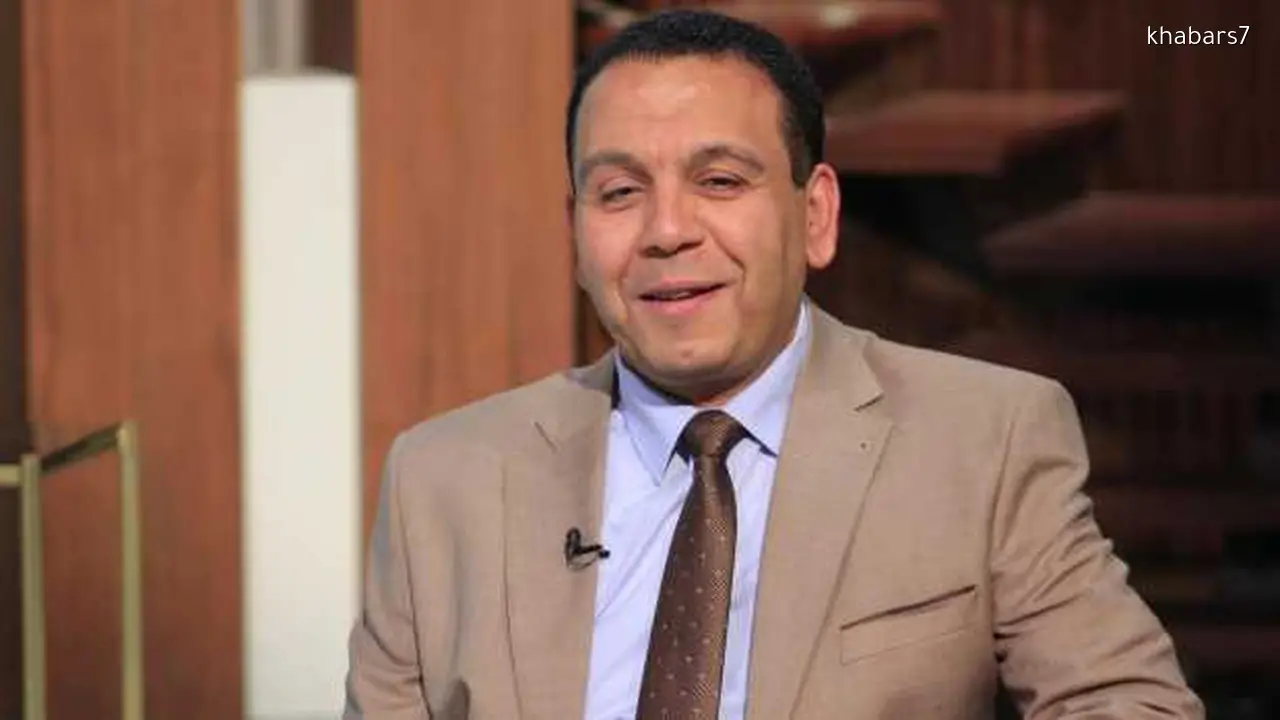
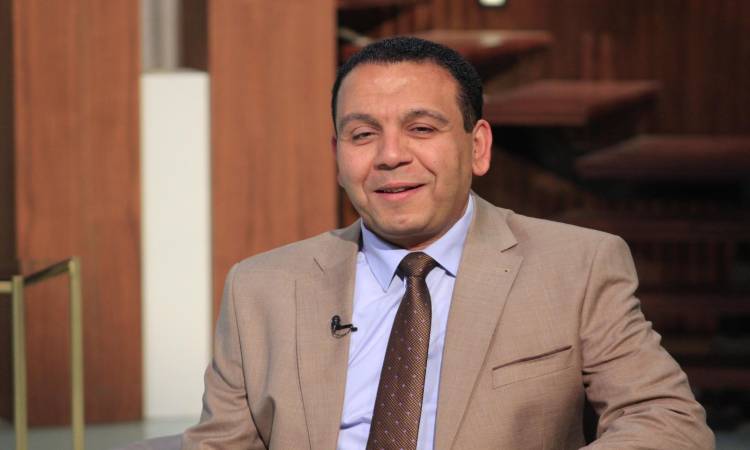 Dr. Tamer Shawky, Professor of Educational Psychology at Ain Shams University" width="750" height="450" />
Dr. Tamer Shawky, Professor of Educational Psychology at Ain Shams University.
With only a few days remaining until the start of the General Secondary School exams for the academic year 2025/2026, over 921,000 students across Egypt will be taking their tests from June 21 to July 16, 2026, under both the old and new systems.
In light of this, Dr. Tamer Shawky, an educational expert and professor of educational psychology at Ain Shams University, has identified several common mistakes that secondary school students should avoid in the final week leading up to their exams to ensure they do not hinder their chances of achieving their desired scores.
Mistakes to Avoid in the Final Week Before Exams
Dr. Shawky outlined the following errors:.
- Neglecting to regulate sleep schedules by staying up all night can diminish concentration and comprehension. Students should train themselves to avoid late nights and establish a routine of early sleep and waking hours to prevent difficulties adjusting once exams begin.
- Overthinking the difficulty of the exams is counterproductive; instead, students should trust in their preparation and focus on putting in the necessary effort.
- Switching between private tutoring sessions for the same subject simply because peers are doing so can waste time and lead to physical and mental exhaustion. Students should prioritize their study needs.
- Spending excessive time reviewing at home without attending crucial tutoring sessions can limit exposure to essential content.
- Using digital devices during breaks can lead to greater mental fatigue than studying itself. Breaks should be calm and relaxing, free from distractions.
- Reviewing materials randomly without prioritizing subjects or lessons wastes time; students need to establish clear review priorities.
- Overloading study sessions without breaks or taking too much time off without studying reduces retention ability. A balance between study time and rest is essential.
- Reviewing lessons from unfamiliar sources not utilized throughout the year can create confusion; it’s advisable to stick with familiar materials for review.
- Neglecting to practice with past exam papers or sample tests limits familiarity with exam conditions and question formats, hindering preparation.
- Adopting a peer’s study schedule without considering individual differences can be ineffective; students should create a personalized review timetable that fits their capabilities and circumstances.
- Ignoring subjects not included in the total score until one or two days before those exams creates unnecessary pressure. Allocating dedicated review time—two hours or more—before these exams is beneficial.
- Aiming to review multiple subjects simultaneously is impractical; focusing on solving past exam papers is more effective given the limited time available.
Dr. Shawky emphasized that by avoiding these common mistakes in the days leading up to their exams, students can significantly enhance their chances of performing well and achieving their academic goals.
Overview of the 2026 Secondary School Exams
The General Secondary School examinations for the academic year 2025/2026 will commence on Sunday, June 21, 2026, and conclude on Thursday, July 16, 2026. More than 921,000 students will participate in these exams across 2,032 examination centers nationwide.
The exam format consists of 85% multiple-choice questions using a “bubble sheet” system and 15% essay questions.
Comments