

Completion of Solar Plant Installation at Medicinal Plants Screening Unit in Arab Al-Awamer
The Ministry of Local Development and Environment has collaborated with civil society organizations and development partners to implement various initiatives aimed at promoting the shift towards a green economy and supporting the use of renewable energy sources in local communities.
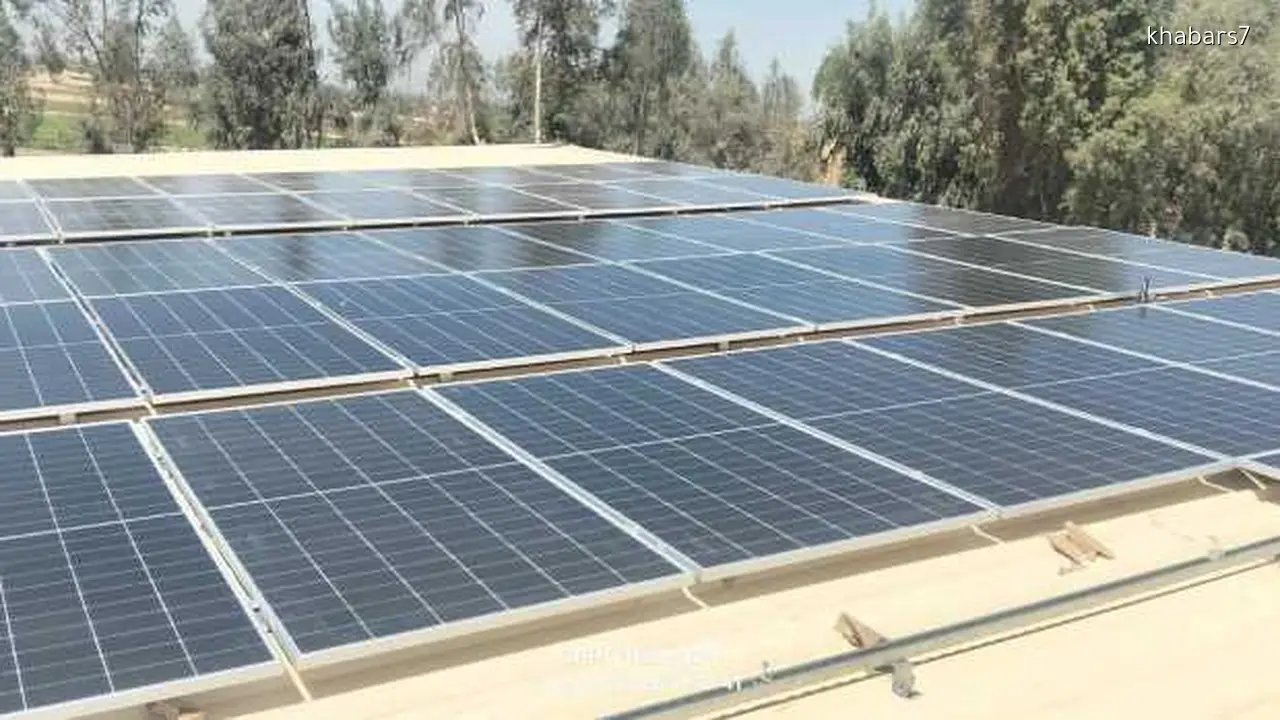
The installation of a solar energy system at the screening and processing unit for medicinal and aromatic plants, operated by Al-Israa Association in Bani Mohadiyat, has been completed in the Arab Al-Awamer area of Asyut Governorate. This development will provide a clean and sustainable energy source necessary for the unit’s operations, enhancing the efficiency of services offered to farmers and producers.
This effort is part of the “Roots of Sustainability” project, which aims to strengthen the capacities of non-governmental organizations in Upper Egypt. It is implemented by Care Egypt for Development with funding from the German Agency for International Cooperation (GIZ) under the EU Green National Solid Waste Management Program, co-funded by the European Union and the German government, in collaboration with the ministry. The goal is to enhance the capabilities of civil society organizations in Upper Egypt while supporting efforts towards a green economy, sustainable development, and expanding renewable energy applications in local communities.
Dr. Manal Awad, Minister of Local Development and Environment, emphasized that this achievement reflects the importance of effective partnerships between the government, civil society organizations, and development partners in implementing sustainable development projects that support local communities while balancing economic development needs with environmental preservation. She noted that expanding clean energy applications is a key aspect of national efforts towards transitioning to a green economy, reducing carbon emissions, and enhancing resilience against climate change impacts.
The new system consists of 97 solar panels with a production capacity reaching 60 kilowatts during peak hours. This setup provides a clean and sustainable energy source necessary for operating the screening and processing unit for medicinal and aromatic plants. It contributes to reducing reliance on traditional energy sources while lowering carbon emissions associated with them, thus supporting state efforts to protect the environment and achieve sustainable resource use.
The unit offers screening, purification, and preparation services for medicinal and aromatic plants to farmers and producers in Asyut Governorate. This service aims to improve product quality, increase added value, and enhance competitiveness in both local and global markets—especially given the promising export opportunities for Egyptian medicinal and aromatic plants. This initiative supports local economies while providing better opportunities for farmers and producers.
She added that operating the unit using solar energy will reduce operational costs by approximately 50% compared to traditional energy sources. This reduction will positively impact producers and farmers while enhancing economic activity sustainability related to this vital sector. Additionally, it supports value chains associated with medicinal and aromatic plants in Asyut Governorate, yielding sustainable economic and environmental returns.
Furthermore, she indicated that trial operations for the unit will commence in the coming days in preparation for full-scale operations. This step will allow stakeholders to benefit from services offered by the unit in supporting producers and farmers while boosting local economic development and creating new opportunities for sustainable growth based on prudent resource use.
The Minister reaffirmed that her ministry places great importance on supporting initiatives and projects that integrate environmental, economic, and social dimensions while enhancing civil society organizations’ roles as key partners in implementing environmental and developmental initiatives. This approach contributes to promoting sustainable practices, localizing clean technologies, achieving sustainable development goals, and aligning with Egypt’s Vision 2030.
Comments