

Egypt Showcases Disability Empowerment Initiatives at United Nations
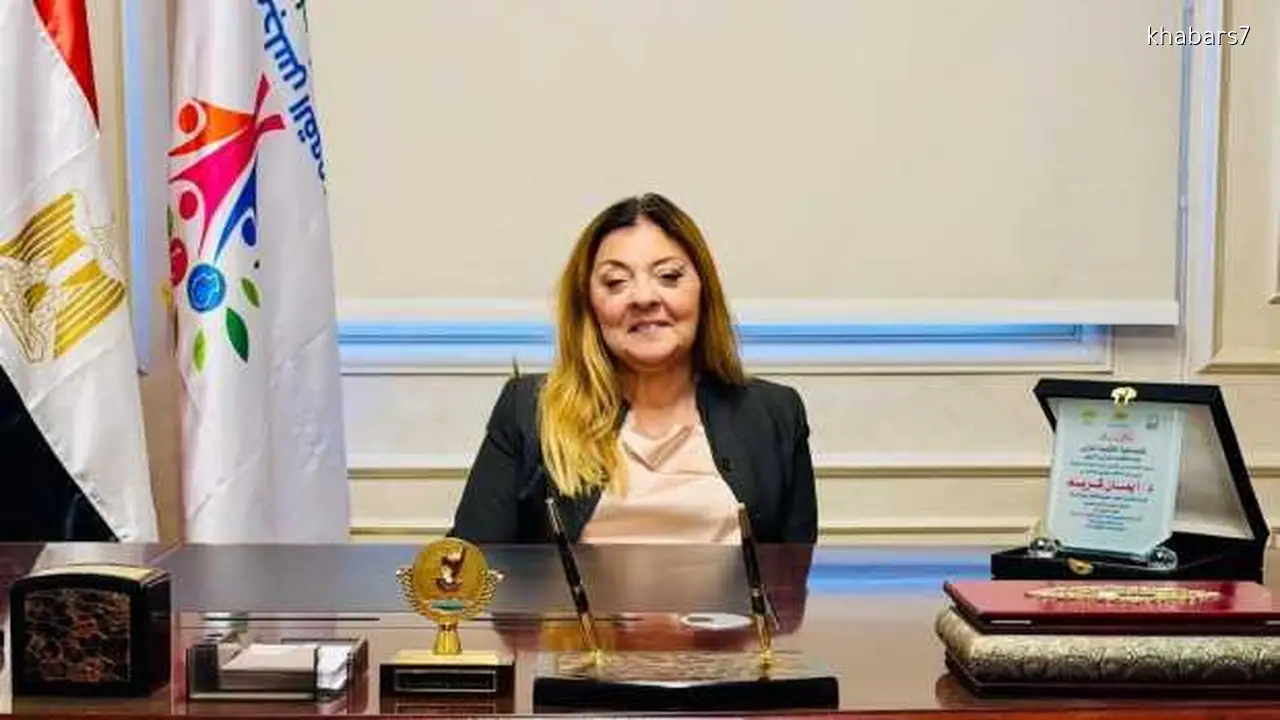
Dr. Eman Karim, the general supervisor of the National Council for Persons with Disabilities, participated in a high-level Arab-international side event organized by the egypts-commitment-to-supporting-the-arab-league/">Arab League at the United Nations headquarters in New York. The event, titled “Inclusive and Resilient Societies: Regional Action to Protect and Empower Persons with Disabilities Towards National Implementation of the Convention on the Rights of Persons with Disabilities and Enhancing Community Participation,” is part of the ongoing 19th Conference of States Parties to the Convention on the Rights of Persons with Disabilities at the UN.
In her recorded speech to representatives from various countries and international and regional organizations, Dr. Karim emphasized that this event comes amid rapidly evolving global challenges that necessitate enhanced cooperation and collective efforts to ensure no one is left behind. She noted that true resilience within communities begins with political will and is manifested through inclusive policies and effective protection mechanisms that guarantee full participation for persons with disabilities.
Dr. Karim highlighted Egypt’s experience in integrating disability issues into sustainable development plans, stating that the Egyptian state has adopted a rights-based approach centered on equality and equal opportunities across various sectors, including education, health, employment, and social protection. This reflects Egypt’s firm belief that genuine development can only be achieved through the participation of all citizens.
She pointed out that economic empowerment is one of the most crucial aspects of independence for persons with disabilities, noting progress made in supporting their participation in the labor market and encouraging entrepreneurship and small projects, which enhances their role as active partners in economic and social development.
Regarding protection measures, Dr. Karim explained that the National Council for Persons with Disabilities has successfully established a comprehensive complaints and protection system through multiple channels, notably a dedicated hotline (16736), which has facilitated receiving and addressing thousands of complaints while transforming them into recommendations aimed at improving related policies and legislation.
She also reviewed efforts by the council to strengthen legal protections for persons with disabilities through a strategic partnership with the Office for Protecting Persons with Disabilities under the Attorney General’s office. This partnership includes interventions from rapid response teams providing legal, psychological support, and sign language translation services for eligible cases, thereby reinforcing persons with disabilities’ rights to access justice and protection.
Dr. Karim emphasized the council’s special focus on empowering families as the first line of defense. She mentioned successes achieved by the presidential national initiative “My Family is My Strength,” under the patronage of Mrs. Intisar El-Sisi, which has reached thousands of families across governorates while enhancing their economic, social, and health capacities alongside correcting societal misconceptions regarding disabilities.
She stressed that assistive technology now represents one of the most critical areas for empowerment and independence. The council supports expanding access to assistive devices and innovative digital solutions that facilitate access to information and services while promoting full participation for persons with disabilities in all aspects of life.
In closing her speech, Dr. Eman Karim affirmed that these achievements represent an important step on a long journey toward progress and development. She acknowledged ongoing challenges related to expanding comprehensive accessibility, enhancing societal awareness, and addressing global economic changes. These challenges serve as an additional impetus to continue working while reiterating calls for strengthened international and regional cooperation to build more inclusive and resilient communities—believing that community strength is measured by its ability to empower all its members without exception.
Comments