

Water Resources Minister: Canal Cleaning Plans to be Completed by June 15, 2026
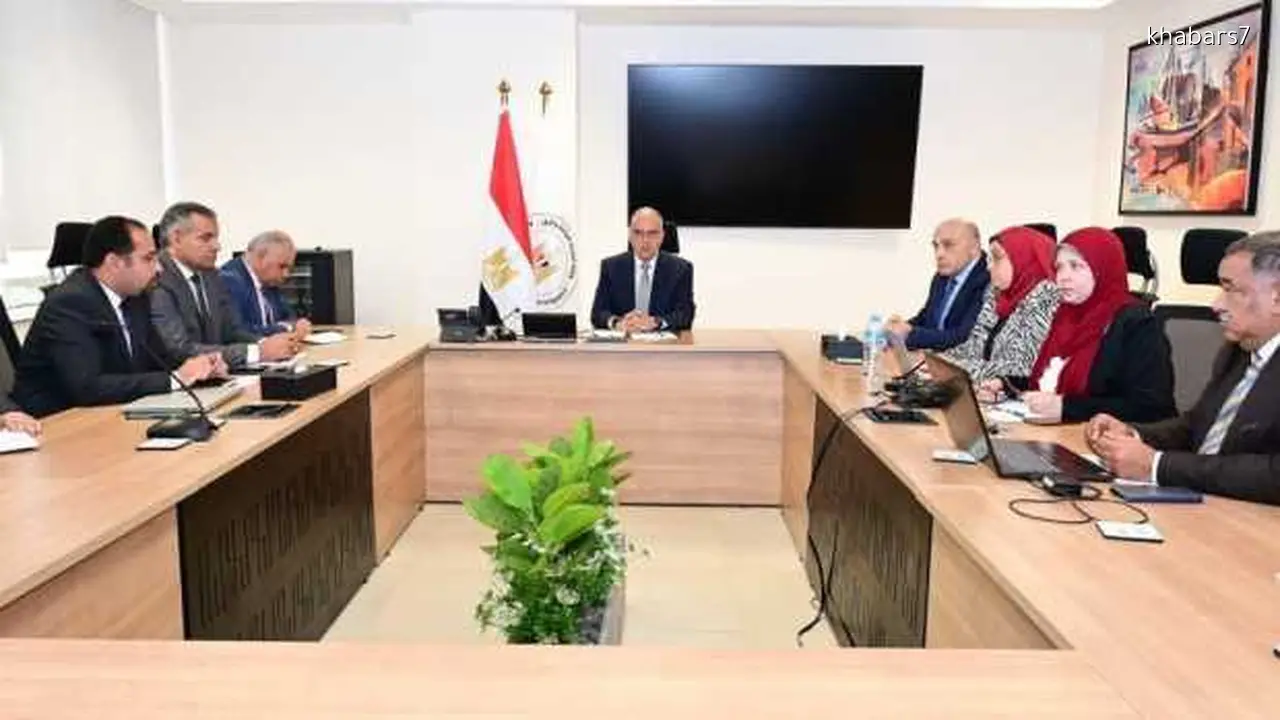
Dr. Hani Suwailem, the Minister of Water Resources and Irrigation, convened a meeting to review the ministry’s preparations for the upcoming peak water demand during the summer season. The meeting focused on the ongoing canal and drainage cleaning operations and the measures taken to ensure the water system’s readiness to meet water needs during peak periods.
During the session, results from field inspections conducted by engineers from the Technical, Financial, and Administrative Inspection Sector were presented. These inspections assessed the executed and ongoing cleaning operations across various General Directorates of Water Resources and Irrigation in different governorates. Additionally, progress on the timeline set by the Central Administration for Waterway Maintenance was discussed, along with execution rates at various sites.
The current status of the waterway cleaning plan was also reviewed, which aims to clean approximately 33,000 kilometers of canals and 22,000 kilometers of drains nationwide.
The Irrigation Authority has estimated a total cost of around 1.4 billion Egyptian pounds for canal cleaning efforts. This investment is crucial for maintaining the efficiency of the waterway network and ensuring that required water flows reach all beneficiaries.
Dr. Suwailem emphasized the need to complete cleaning plans across all General Directorates of Irrigation by June 15, 2026. However, he permitted an extension until the end of June for directorates that experience delays in starting summer crops based on regional conditions and water demand rates.
He highlighted the importance of ongoing inspections by engineers from the Central Administration for Waterway Maintenance to monitor execution rates and work quality. This ensures that canal networks are prepared for peak water demand periods while addressing critical points identified in technical inspection reports swiftly to stabilize water levels and flows during high-demand times.
Dr. Suwailem also instructed support for directorates facing shortages in cleaning contracts or low performance levels from some contractors by providing equipment from the Central Administration for Waterway Maintenance, particularly in priority areas. This will help expedite required works and meet timelines effectively.
He noted that the readiness of control gates and water structures is a key aspect of managing and distributing water during the summer season. He stressed the importance of regular maintenance on these gates to ensure efficient operation of dual and triple rotation systems on canals that do not operate on a continuous flow basis, thereby optimizing water resource management.
The Minister directed irrigation authorities in governorates to coordinate with agricultural ministry agencies to ensure that beneficiaries are actively cleaning private irrigation channels. This will guarantee adequate water supply to agricultural lands and maximize optimal use of available resources.
In conclusion, Dr. Suwailem reiterated the importance of continuously recording and monitoring cleaning contracts through a dedicated digital system while urging technical inspection agencies to maintain oversight on executed works and prepare periodic reports. This will facilitate performance evaluation and measure progress based on established indicators.
Comments