

US Plans Health Measures for Spectators Ahead of 2026 World Cup
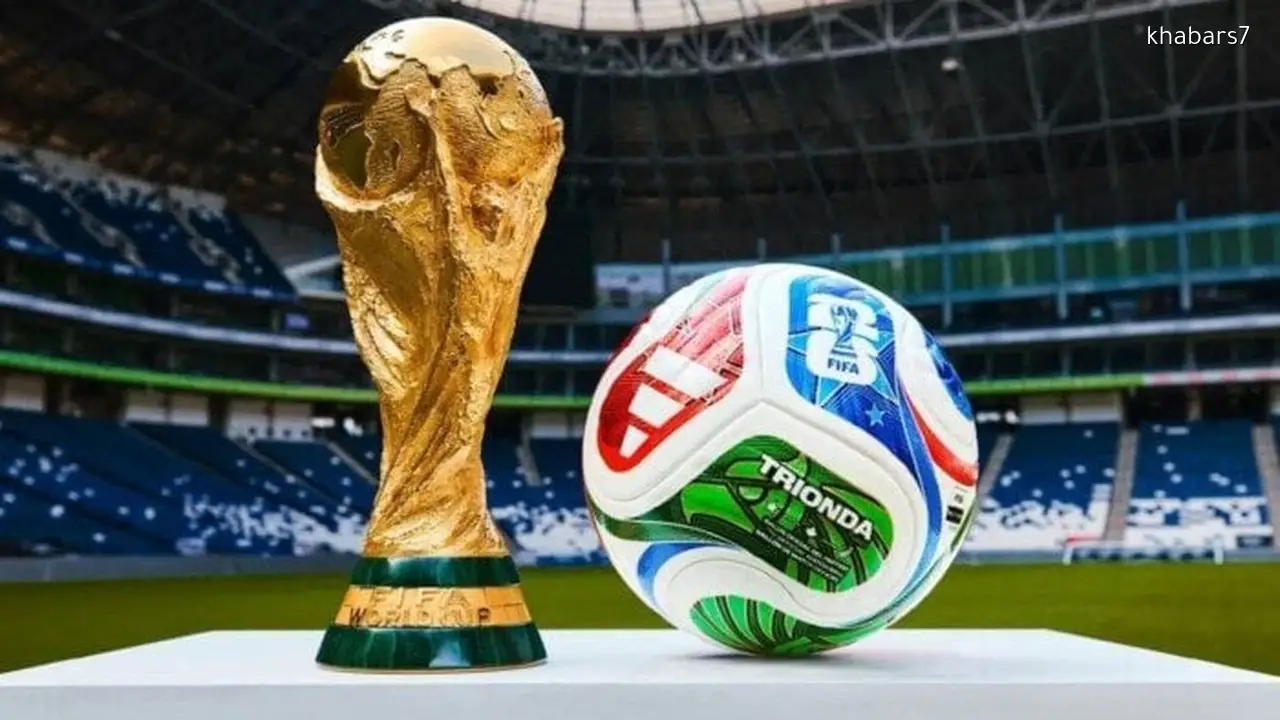
As the world gears up for the 2026 FIFA World Cup, set to kick off in just hours across the United States, Canada, and Mexico, extensive organizational and health preparations are underway to host the largest tournament in its history.
This edition of the World Cup will feature 48 teams for the first time, with matches scheduled from June 11 to July 19. The opening match will see Mexico face South Africa.
While fans eagerly await the start of the competition, public health experts express concerns about the potential spread of infectious diseases due to the influx of millions of spectators from around the globe into host cities.
The Washington Post reported that the massive travel associated with the tournament not only involves fans but may also facilitate the transmission of certain viruses and diseases between countries. This has prompted health authorities in North America to implement proactive plans to monitor conditions throughout the tournament.
According to reports, health authorities have spent years preparing for this global event, especially with expectations of welcoming visitors from over 100 countries. This increases the importance of epidemiological surveillance and rapid intervention when necessary.
Measles Tops Health Concerns
Despite media focus on rare and serious diseases like Ebola and other viruses, health experts believe that the greatest threat comes from more common and easily transmissible illnesses, particularly measles and dengue fever, as well as respiratory viruses.
The likelihood of these diseases spreading increases in crowded areas where large gatherings occur, such as airports, public transport systems, hotels, stadiums, and entertainment venues associated with the tournament.
Dr. Krutika Kuppalli, an infectious disease specialist, emphasized that measles is her primary concern given its resurgence in several countries in recent years.
This comes amid rising infection numbers in the United States, with confirmed cases nearing 2,000 this year—a figure that raises alarms among experts about potential further outbreaks during the tournament.
Dengue Fever and Other Diseases Under Watch
The report also highlighted growing attention towards dengue fever, which has emerged as a significant health challenge across many regions of the Americas in recent years.
Some areas, including Puerto Rico, have seen a notable increase in disease activity while local transmission cases have been reported in several U.S. states. This has led specialists to warn about possible infections among visitors arriving from endemic regions.
Kuppalli noted that Texas is a state requiring special attention—not only due to dengue fever but also due to potential cases of other insect-borne diseases such as chikungunya and various viruses causing fevers and muscle pain as well as malaria.
COVID-19 Still a Concern
Although the impact of the COVID-19 pandemic has diminished compared to previous years, experts are still closely monitoring it during the World Cup period.
Current infection rates in the United States remain relatively low; however, seasonal surges during summer months in recent years underscore the need for ongoing vigilance.
Ebola Not an Immediate Concern
Regarding Ebola virus transmission among fans, reports indicate that risks remain extremely limited since transmission occurs through direct contact with bodily fluids from an infected individual.
The report noted that despite one of West Africa’s largest Ebola outbreaks coinciding with the 2014 World Cup in Brazil, there were no related cases reported during that tournament.
The Centers for Disease Control and Prevention (CDC) is expected to release daily reports monitoring health conditions throughout the World Cup period while providing immediate alerts if any epidemiological threats arise or unusual spikes in infectious disease rates occur.
Monitoring efforts will include host cities and countries contributing significant numbers of fans to ensure participant safety and facilitate a smooth tournament free from health crises.
Comments