

Egypt’s Water Minister Stresses Linking Renewable Energy Projects to Climate Financing
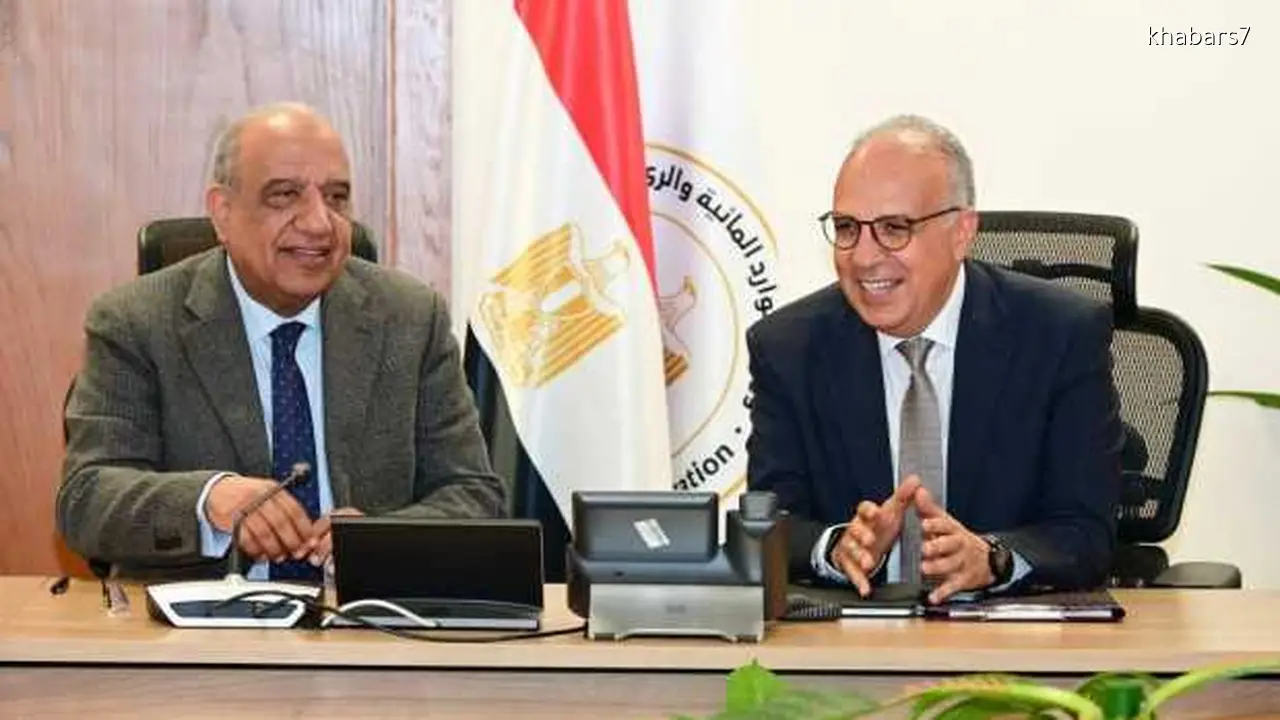
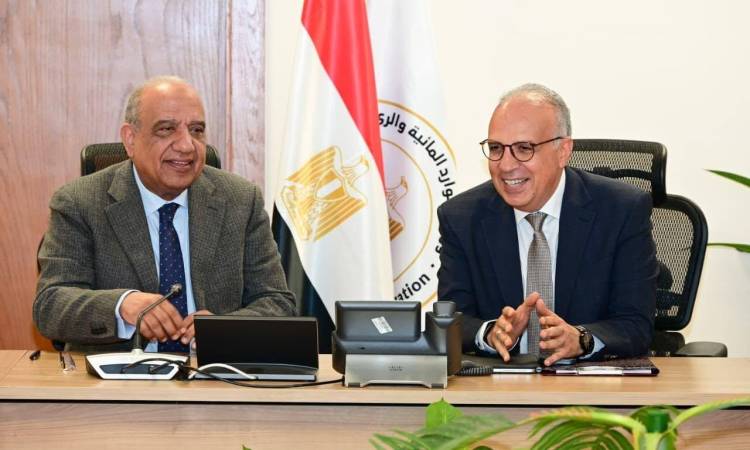
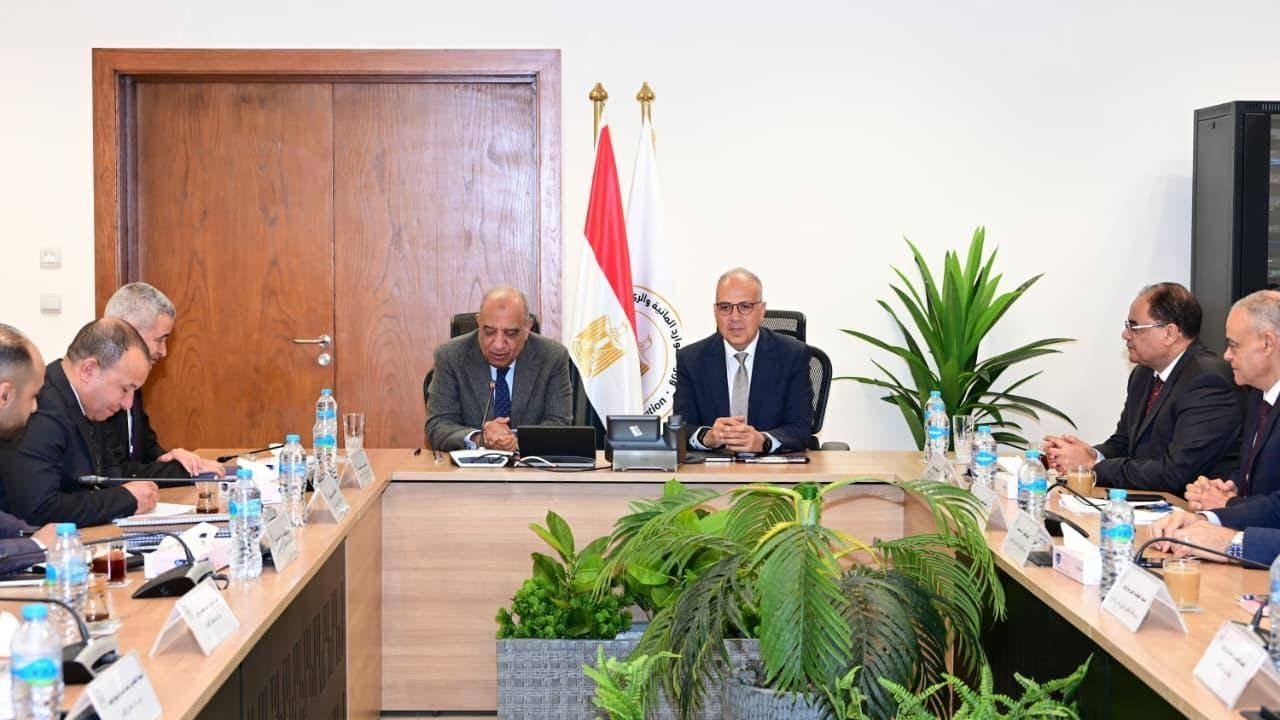
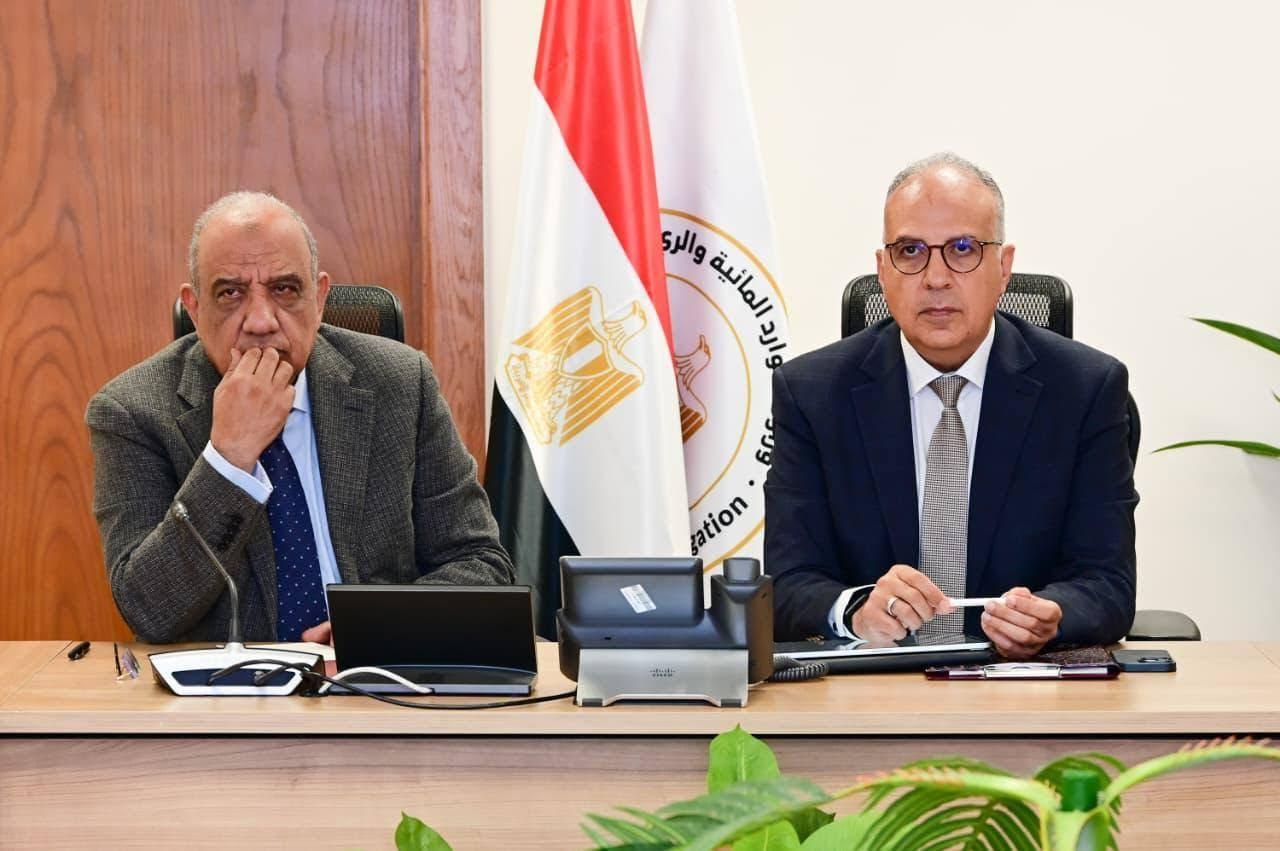
جانب من اللقاء.
Dr. Hani Sewilam, Egypt’s Minister of Water Resources and Irrigation, has emphasized the importance of linking renewable energy projects with international climate financing mechanisms. He noted that expanding the use of solar energy in the irrigation sector serves as a practical model that combines adaptation to climate change with emissions reduction, thereby enhancing opportunities for securing international funding.
The minister also directed a study on establishing central solar stations connected to the national grid to serve locations where independent solar power stations are difficult to implement.
This statement came during a joint meeting between Dr. Sewilam and Dr. Mahmoud Asmat, Minister of Electricity and Renewable Energy, to discuss collaboration and coordination mechanisms for expanding solar energy use in facilities and stations under the Ministry of Water Resources and Irrigation. This initiative aims to promote cost-saving measures, reduce operational expenses, and lower carbon emissions.
The meeting reviewed energy consumption indicators at the Mechanical and Electrical Authority’s stations and discussed the ministry’s plan for a gradual transition to solar energy. This transition will start with small low-voltage stations, which represent about 43% of total stations, followed by a proposed 19-megawatt station connected to the national electricity grid, leading up to projects that rely on solar energy and battery storage systems for operational sustainability.
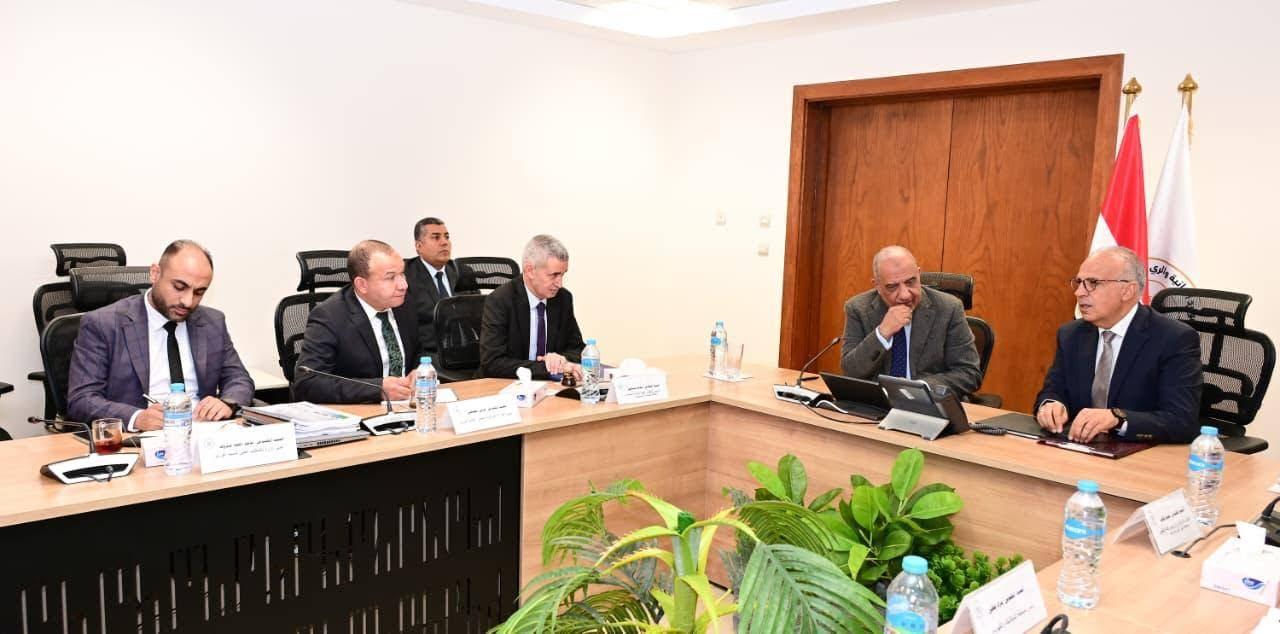
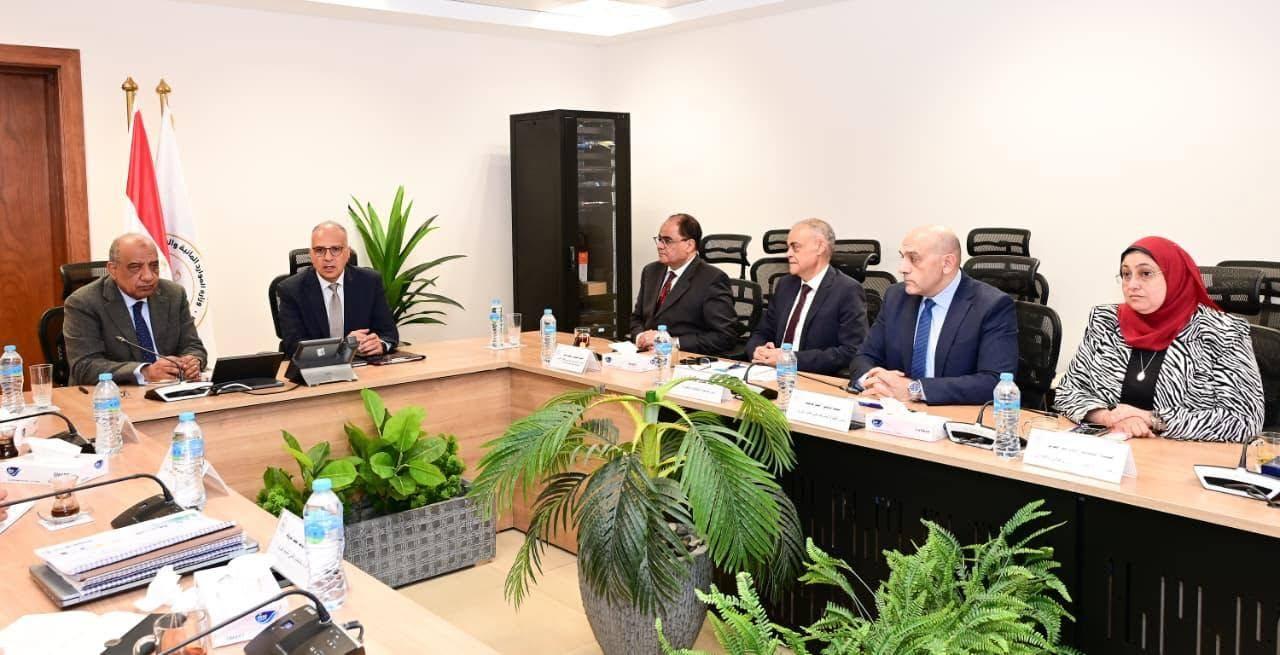
Additionally, the meeting discussed proposed models for operating pumping stations using solar energy and associated investment opportunities, given that the Mechanical and Electrical Authority is one of Egypt’s largest energy consumers, with an expected increase in consumption by approximately 40% over the next five years due to new national project operations.
Dr. Mahmoud Asmat highlighted that local manufacturing of solar panels and supportive initiatives for clean energy contribute to reducing project costs. He stressed the importance of selecting optimal sites for these stations while considering connection costs to the national grid for achieving maximum economic efficiency.
In conclusion, both ministers affirmed that cooperation between their ministries represents a model for integrated implementation of green transformation projects. This collaboration supports sustainable resource management, promotes the use of clean and renewable energy sources, and contributes to achieving sustainable development goals.
Comments