

Egypt’s Prime Minister Launches Comprehensive Restructuring Program for State-Owned Enterprises
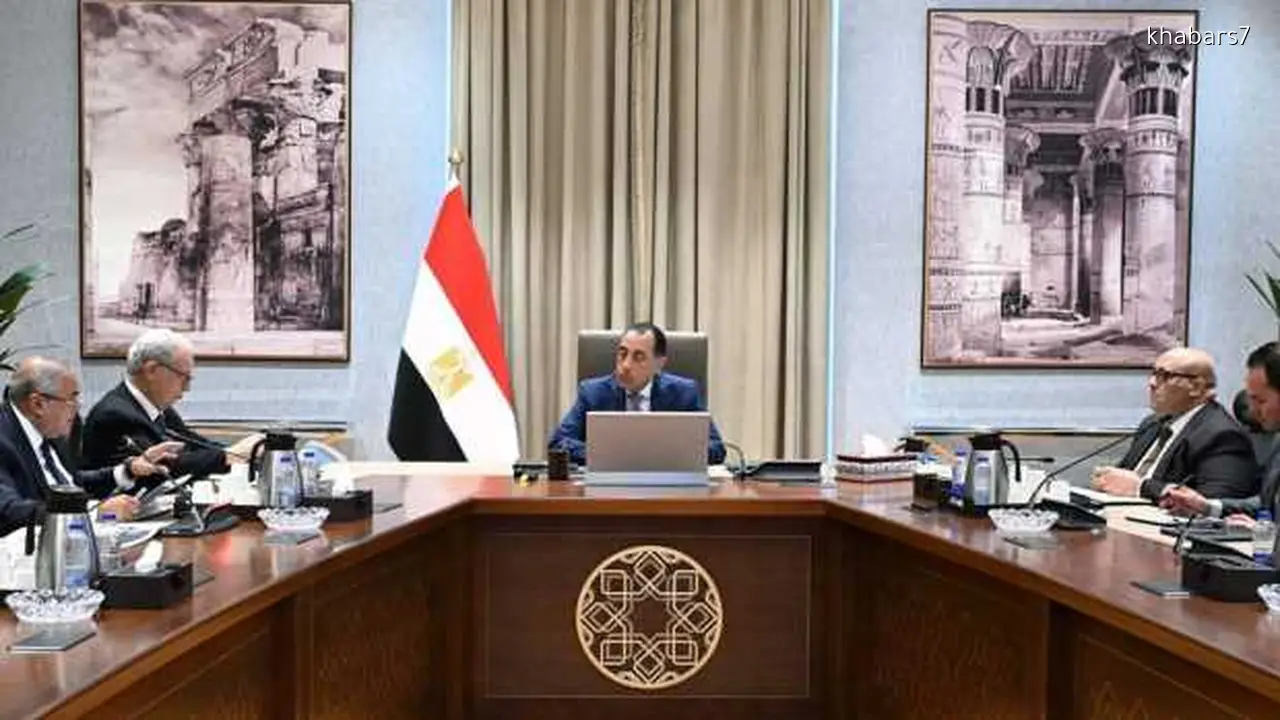
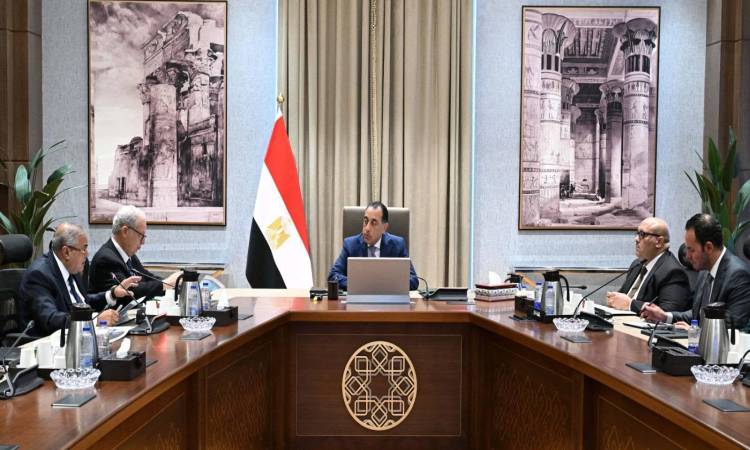
مدبولي خلال الاجتماع.
Dr. Mostafa Madbouly, Egypt’s Prime Minister, convened a meeting today to oversee the implementation of a comprehensive restructuring and governance plan for state-owned enterprises. This initiative is part of the government’s efforts to enhance the management of public assets and improve the performance and productivity of its affiliated companies, thereby supporting economic development goals and increasing the role of the private sector in economic activities.
Attending the meeting were Dr. Hussein Issa, Deputy Prime Minister for Economic Affairs, Counselor Sherif El-Shazly, Head of the Prime Minister’s Advisory Council, and Dr. Hashem El-Sayed, Assistant Prime Minister and CEO of the State-Owned Enterprises Unit.
During the meeting, Prime Minister Madbouly emphasized that the government is committed to executing a thorough program aimed at restructuring state-owned companies and enhancing their role in economic activity. This effort aims to improve their financial and operational performance while maximizing benefits from owned assets, particularly underutilized ones. Additionally, it supports government initiatives to launch public offerings by selling stakes in several of these companies, which is intended to boost private sector participation in the national economy.
Dr. Madbouly noted that the restructuring program for state-owned enterprises is advancing rapidly within a comprehensive vision aimed at developing their performance and enhancing their competitiveness. He also mentioned that the government is simultaneously working on necessary legislative reforms to facilitate share offerings from state-owned enterprises and create a more attractive investment environment that supports efforts to improve asset management efficiency and maximize economic returns.
During the meeting, Dr. Hashem El-Sayed provided an overview of the status of government companies affiliated with six main holding companies: the Chemical Industries Holding Company, the Metallurgical Industries Holding Company, the Pharmaceutical and Chemical Supplies Holding Company, the Cotton, Spinning, Weaving and Garments Holding Company, the Construction and Reconstruction Holding Company, and the Tourism and Hotels Holding Company.
He presented details on how these holding entities distribute their subsidiaries along with their stakes in these companies as well as their status on stock exchanges.
In this context, El-Sayed explained that these companies include those listed on stock exchanges as well as others temporarily registered or in process for temporary registration, alongside several unlisted firms. This ongoing monitoring assesses their readiness for future steps related to development programs and offerings.
Comments