

Hurghada International Airport Leads Surge in Egyptian Tourism with Over One Million Passengers

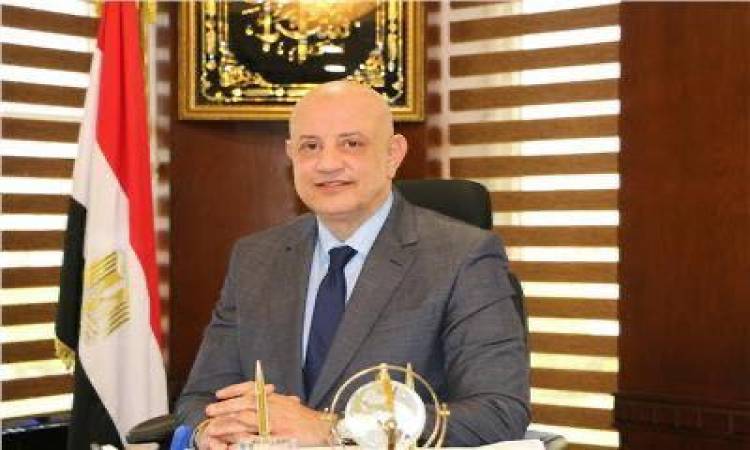
Lieutenant Pilot Wael El-Nashar, Chairman of the Egyptian Airports Company.
Hurghada International Airport is solidifying its status as a pivotal tourist hub in the region, evolving into a comprehensive model of modern airports that integrates advanced technology, operational efficiency, and high-quality services. This evolution supports tourism and investment flows and enhances the sector’s contribution to Egypt’s national economy amidst an unprecedented boom in its civil aviation sector.
The Egyptian government prioritizes airport development as a key driver for sustainable growth, especially with the increasing influx of tourists to popular destinations like Hurghada, one of the world’s renowned tourist spots along the Red Sea coast.
Comprehensive Strategy for Airport Development
In recent years, a broad plan has been implemented to modernize Egyptian airports according to international standards. This includes upgrading infrastructure, enhancing operational efficiency, and expanding reliance on modern digital solutions to keep pace with rapid developments in the global air transport industry.
These efforts align with the vision of the Ministry of Civil Aviation, led by Minister Samah Hefny, aimed at building a more efficient and sustainable aviation system based on innovation and digital transformation. The ministry seeks to enhance the competitiveness of Egyptian airports and attract more international travel traffic.
The ministry is also focused on employing cutting-edge smart systems and artificial intelligence applications to manage operational processes and improve passenger services while developing cybersecurity systems and data governance to ensure modern and safe service delivery based on best global practices.
Wael El-Nashar Drives Development at Egyptian Airports
Under this ambitious vision, the Egyptian Airports Company continues its developmental plans led by Lieutenant Pilot Wael El-Nashar. He emphasizes ongoing field monitoring of development projects across various airports under the company’s management.
The company’s strategy focuses on enhancing operational efficiency, improving services, upgrading work environments, and investing in human resources through continuous training programs that ensure alignment with global developments in air transport.
These efforts have positively impacted operational performance levels and service quality for travelers while enhancing the readiness of Egyptian airports to accommodate increasing passenger volumes and international flights.
Hurghada: Egypt’s Premier Tourist Gateway
Hurghada International Airport serves as the main air artery for the Red Sea Governorate, welcoming millions of tourists annually from various global markets. The airport benefits from Hurghada’s distinguished status as one of the leading tourist destinations in both the Middle East and worldwide.
The airport plays a crucial role in supporting the tourism sector by facilitating access to resorts, diving centers, and renowned beaches that characterize this vibrant city. This makes it one of the most significant drivers of economic and tourism development in the region.
Record Numbers Reflect Strong Performance
In April 2026, Hurghada International Airport maintained its position at the top of Egyptian airports regarding air traffic volume. It recorded 7,125 flights—3,563 arrivals and 3,562 departures—demonstrating robust operational capacity.
The airport welcomed over one million passengers during this month alone, totaling 1,065,275 travelers—514,844 arrivals and 550,431 departures. This growth underscores a continuous upward trend in incoming tourism traffic and reflects strong confidence from airlines and tour operators in the airport’s operational framework.
These indicators highlight the airport’s ongoing success in accommodating increasing international travel demand, particularly from European markets that are essential for Egyptian tourism.
Transitioning to a Smart Airport
As part of its digital transformation plan, Hurghada Airport continues to enhance its technological framework through updates to operational systems and expanding digital services. This modernization aims to accelerate processes while improving service quality for travelers.
This transition seeks to increase daily operational management efficiency while optimizing resource usage and enhancing decision-making capabilities based on real-time data—aligning with smart airport concepts that represent the future of global aviation.
Intelligent Parking Management System
A notable recent project at the airport is an advanced electronic parking management system designed to organize vehicle movement more efficiently through automated electronic gates.
This new system facilitates smoother vehicle entry and exit while reducing wait times during peak tourist seasons. It also supports electronic payment processes while enhancing oversight and operational accuracy.
Enhanced Services for a Comfortable Travel Experience
The development efforts extend beyond digital systems; they also encompass upgrading departure and arrival lounges as well as improving facilities and services provided to passengers. These enhancements ensure a superior travel experience that meets contemporary international standards.
The airport continues implementing ongoing programs aimed at improving service quality while reinforcing safety standards—all reflecting Egypt’s civilized image before millions of visitors arriving from around the globe.
A Promising Future Supporting National Economy
With ongoing development plans being executed successfully, Hurghada International Airport solidifies its role as a successful model for modern Egyptian airports—not only as a primary gateway for tourism but also as a strategic project supporting national economic growth by attracting investments and creating job opportunities.
The continuous success of this airport demonstrates Egypt’s capability to build an advanced aviation system capable of competing regionally and internationally while reinforcing Egypt’s position as a major hub for air transport and tourism within the region—aligning with aspirations for a smarter and more sustainable future.
Comments