

Egypt’s Prime Minister Emphasizes Education as Key to National Development
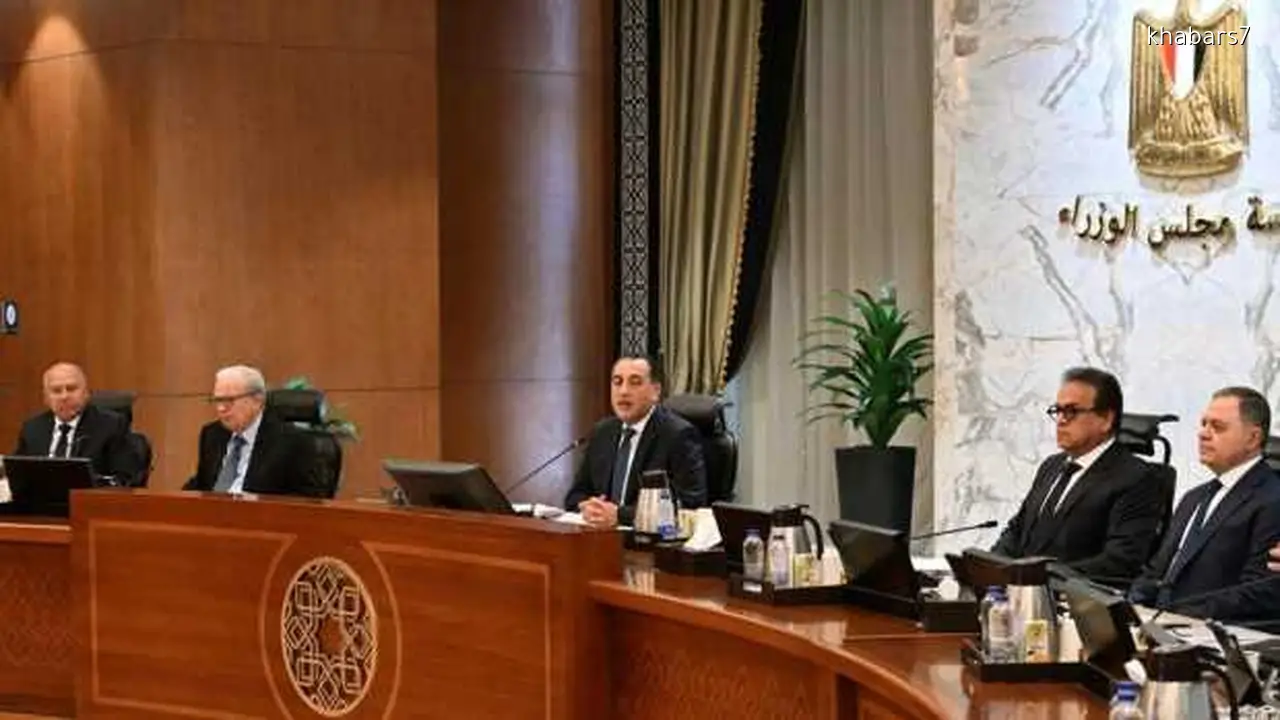
egypt-and-uae-sign-3-billion-investment-partnership/">Dr. Mostafa Madbouly, Egypt’s Prime Minister, has highlighted the importance of education in the government’s agenda for human development and adapting to global changes. During a weekly cabinet meeting held at the New Administrative Capital, he noted ongoing political uncertainties in the region, stemming from conflicting positions among disputing parties and escalating tensions in the Gulf and Lebanon.
Madbouly stated that these developments have created a climate of anticipation regarding future outcomes, particularly affecting oil prices, commodities, and supply chains. The rising tensions in the Gulf have significantly impacted maritime navigation and trade, raising concerns about disruptions in the Strait of Hormuz and their potential economic repercussions.
He referenced recent presidential activities addressing Egypt’s stance on regional crises. Notably, President Abdel Fattah El-Sisi met with a delegation from major American Jewish organizations to discuss Egypt’s vision for regional stability and efforts to de-escalate tensions while supporting ongoing negotiations between the United States and Iran.
The Prime Minister also mentioned a phone call between President El-Sisi and French President Emmanuel Macron, which covered regional and international developments. He emphasized the growing alignment between Egypt and France on various issues of mutual interest, including support for a fair resolution to the Palestinian issue and the crisis in Lebanon.
Turning to domestic matters, Madbouly discussed President El-Sisi’s oversight of government efforts across sectors. This week, he reviewed plans from the Ministry of Higher Education and Scientific Research aimed at transforming Egypt into a regional hub for higher education, research, and innovation. The initiative seeks to build a knowledge-based economy that attracts students and researchers globally.
The Prime Minister reiterated that President El-Sisi has directed ongoing efforts to enhance higher education as a fundamental element of human development and sustainable growth. This includes strengthening universities’ roles in training programs that meet labor market demands.
Moreover, there are presidential mandates to enhance partnerships in higher education by establishing foreign branches through modern cross-border collaboration models aimed at building national capacities, maximizing economic returns, and improving international rankings.
Madbouly asserted that education remains a top priority for the government as it works to elevate this sector while adapting to global changes in both pre-university and university education. He emphasized continued support for scientific research and innovation to enhance the competitiveness of Egyptian universities at both regional and international levels.
The Prime Minister also reflected on his recent tour of Giza province, where he inaugurated several service projects across education, health, tourism, infrastructure, and pharmaceuticals. He stated that these visits are part of an effort to monitor vital project implementation rates and improve services for citizens as per President El-Sisi’s directives for continuous oversight of developmental initiatives.
He assured that the government will persist in monitoring service projects across various governorates to expedite their operational readiness for public benefit.
Additionally, Madbouly reported on meetings held during the week regarding updates on social support system reforms aimed at enhancing efficiency in social protection programs while reviewing progress on strengthening Egypt’s national electricity grid.
The government continues to explore proposals for updating support mechanisms aligned with economic and social changes. This aims to create a more flexible and sustainable system based on updated data management practices that ensure accurate targeting and resource management efficiency while maintaining coordination among relevant authorities for developing these systems.
Furthermore, an assessment meeting was conducted regarding projects aimed at bolstering the national electricity grid as part of state efforts to enhance this vital sector while ensuring continuous power supply for domestic use alongside expanding electricity production from renewable energy sources.
Comments