

Egypt’s Health Ministry Ensures Sustainable Medical Supply Chains Amid Global Challenges

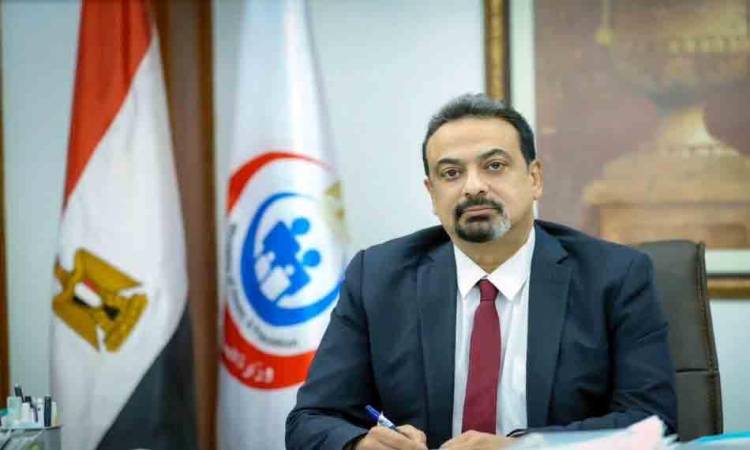
Dr. Hossam Abdel Ghaffar, the official spokesperson for the Ministry of Health and Population, announced that Egypt has successfully maintained the sustainability of its medical supply chains despite ongoing global challenges. This achievement aligns with directives from political leadership to secure strategic stockpiles and enhance efforts to localize medical industries.
In an interview with “Extra News,” Abdel Ghaffar emphasized that the COVID-19 pandemic highlighted the importance of countries having their own capabilities for producing medicines and medical supplies, a fundamental aspect of national security. Consequently, Egypt has expanded its efforts in localizing the production of pharmaceuticals and medical devices to ensure uninterrupted healthcare services for citizens amid global fluctuations.
He added that the Egyptian government prioritizes women’s health through a comprehensive system of presidential initiatives aimed at providing holistic healthcare for women throughout their lives. This initiative is part of the state’s vision for building a healthy family and a more stable society capable of development.
Abdel Ghaffar pointed out that the President’s initiative for medical examinations for couples planning to marry is a crucial pillar in safeguarding family health. It goes beyond just conducting medical tests; it also enhances health awareness and enables early detection of issues that could affect family stability in the future.
Furthermore, he noted that the government has expanded healthcare coverage for women through the Mother and Child Health Initiative, which monitors mothers’ health throughout pregnancy. Additionally, the “Golden Thousand Days” initiative focuses on providing pre-pregnancy health education and awareness regarding appropriate timing for marriage and childbirth as well as proper healthcare practices for mothers and children.
Abdel Ghaffar confirmed that initiatives supporting women’s health have led to significant outcomes in early detection of breast cancer, along with screening for non-communicable diseases such as diabetes, hypertension, and anemia. These efforts have contributed to increased recovery rates, improved treatment opportunities, and reduced health complications.
He emphasized that the concept of health in the new republic is no longer solely about treating illness but also focuses on prevention, promoting healthy lifestyles, and enhancing quality of life. This holistic approach encompasses physical, mental, and social well-being.
Regarding healthcare services in underserved areas, Abdel Ghaffar explained that the Ministry conducts an annual plan for free medical convoys targeting villages and priority areas. He noted that digital transformation and data analysis have helped create an accurate map of health needs across the country.
He added that the ministry classifies regions based on health and social indicators into green, yellow, and red zones. The red zones are not only characterized by high population density but also include factors like dropout rates from education, early marriage, and unstable social conditions. This classification has enabled more efficient targeting of health interventions.
Abdel Ghaffar stated that intensifying medical convoys and preventive services in these areas has yielded positive results, with the number of red zones decreasing from over 70 to around 14 nationwide. This reflects successful government efforts to reach vulnerable populations and improve overall public health indicators.
In conclusion, he affirmed that response rates to citizens’ complaints within the health sector have exceeded 96%, demonstrating an efficient monitoring system and prompt responsiveness to citizens’ needs while continuously striving to enhance the quality of healthcare services provided.
Comments