

Hossam Hassan’s Tactical Shift: A New Era for Egypt’s World Cup Aspirations
Egypt’s relationship with the World Cup has been marked by disappointment, with the Pharaohs failing to qualify for the finals in both 2006 and 2010. These shortcomings cast a shadow over a Golden Generation that triumphed at the Africa Cup of Nations (AFCON) in 2006, 2008, and 2010.
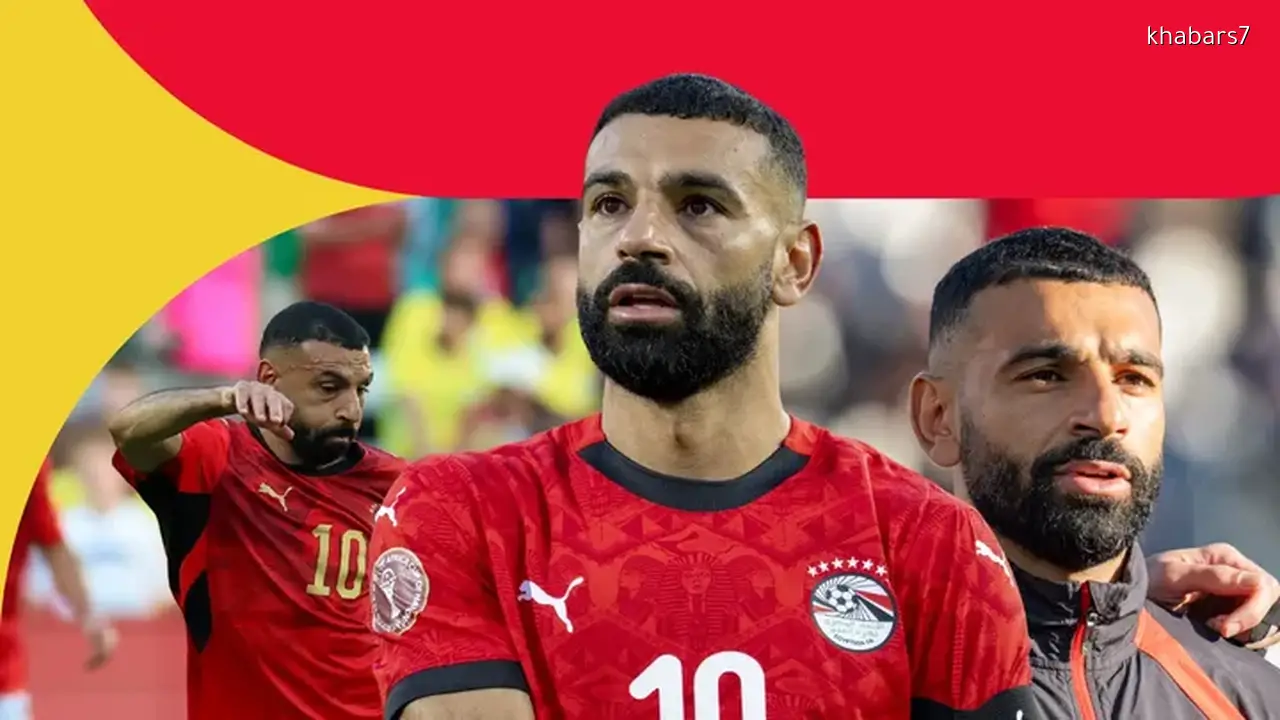
Since making his international debut shortly after the 2010 World Cup, Mohamed Salah has emerged as Egypt’s key player and leader. However, despite his remarkable achievements, including being hailed as one of Africa’s greatest footballers, his legacy is often scrutinized due to Egypt’s ongoing struggles to secure an eighth AFCON title.
The weight of past failures is evident, particularly after losing the AFCON finals in 2017 and 2021 to Cameroon and Senegal, respectively. For Salah, now 34 years old, his most recent opportunity to shine came during the tournament held in Morocco, where Egypt fell short against Senegal in the semi-finals.
During that tournament, Hossam Hassan — a legendary former forward for Egypt and the national team’s all-time leading goalscorer — appeared to rely heavily on Salah, as previous managers have done. This reliance came at a time when Salah was experiencing one of his least productive seasons at Liverpool, with tensions reportedly rising between him and manager Arne Slot.
Salah finished the 2025-26 season with just seven goals—his lowest tally in any top-flight campaign since his time at Fiorentina in 2014-15. Compounding this decline was a noticeable drop in his physical performance as he entered the season at age 33.
Recognizing Salah’s struggles, Hassan adopted a new strategy during Egypt’s 1-1 draw against Belgium. According to Sports Mole, this match showcased Salah’s evolving role as a playmaker and facilitator as Egypt seeks its first-ever World Cup victory against New Zealand on Sunday.
Adapting Salah’s Role Against Belgium
© Iconsport / MB Media, Getty Images.
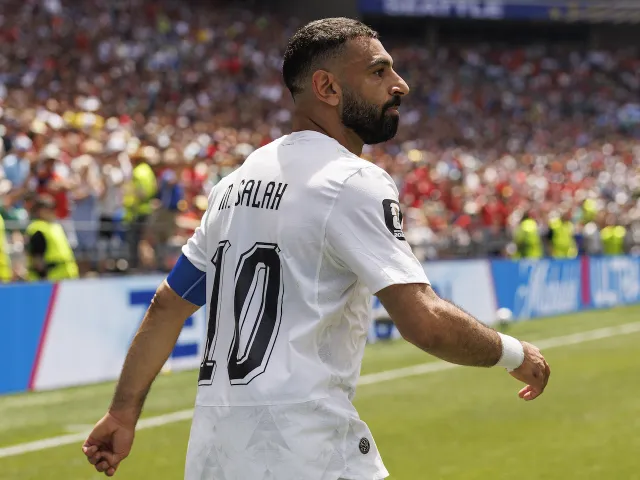
While Salah has traditionally played a creative role for the national team, Hassan’s tactics against Belgium saw him take on an even more pronounced playmaking role. Despite having only one touch inside the opposition area—a header saved by Thibaut Courtois—Salah’s contributions elsewhere were significant.
With his once-explosive pace diminished, he showed greater willingness to drop deeper to collect the ball and facilitate play for teammates. Most of Salah’s carries occurred in either his own half or midfield rather than the attacking third.
Even though he exited with 14 minutes remaining, Salah created three chances—tying for most in the match—including an assist on Emam Ashour’s powerful strike that opened Egypt’s scoring. Unfortunately, they could not secure a win on Salah’s birthday as they failed to hold onto their lead.
This new facilitator role places additional pressure on Egypt’s collective performance. While it could enhance their chances of achieving success on the global stage, it also carries risks if other players do not step up.
The Pressure on Teammates
© Iconsport / ZUMA Press Wire.
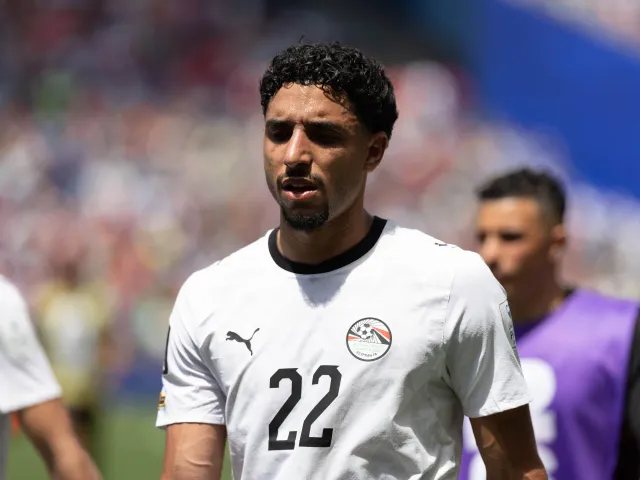
It is premature to draw definitive conclusions from Hassan’s tactical changes following the draw with Belgium. While Ashour’s goal highlighted the advantages of utilizing Salah’s teammates effectively, Omar Marmoush’s missed opportunities underscored potential drawbacks.
Marmoush had eight touches inside the box and took five shots but struggled with accuracy; three efforts were blocked and two were notably poor misses that could have extended Egypt’s lead.
Mostafa Ziko also had a disappointing performance before being substituted late in the match despite having scored in prior games against Russia and Brazil. His replacement, Zizo, has previously demonstrated decisive capabilities by scoring and assisting during a dominant victory over Saudi Arabia earlier this year.
Salah remains supported by Trezeguet—an unused substitute against Belgium—who was Egypt’s second-highest scorer during qualifying matches. Six years after having been overly reliant on an injured Salah under Hector Cuper, Hassan is attempting a different approach that may yield better results.
The effectiveness of these changes will be tested as Egypt aims to capitalize on what seems like a favorable group stage opportunity to finally make World Cup history in North America.
Comments