

Deputy Health Minister Advocates for Increased Community Awareness on Foster Families
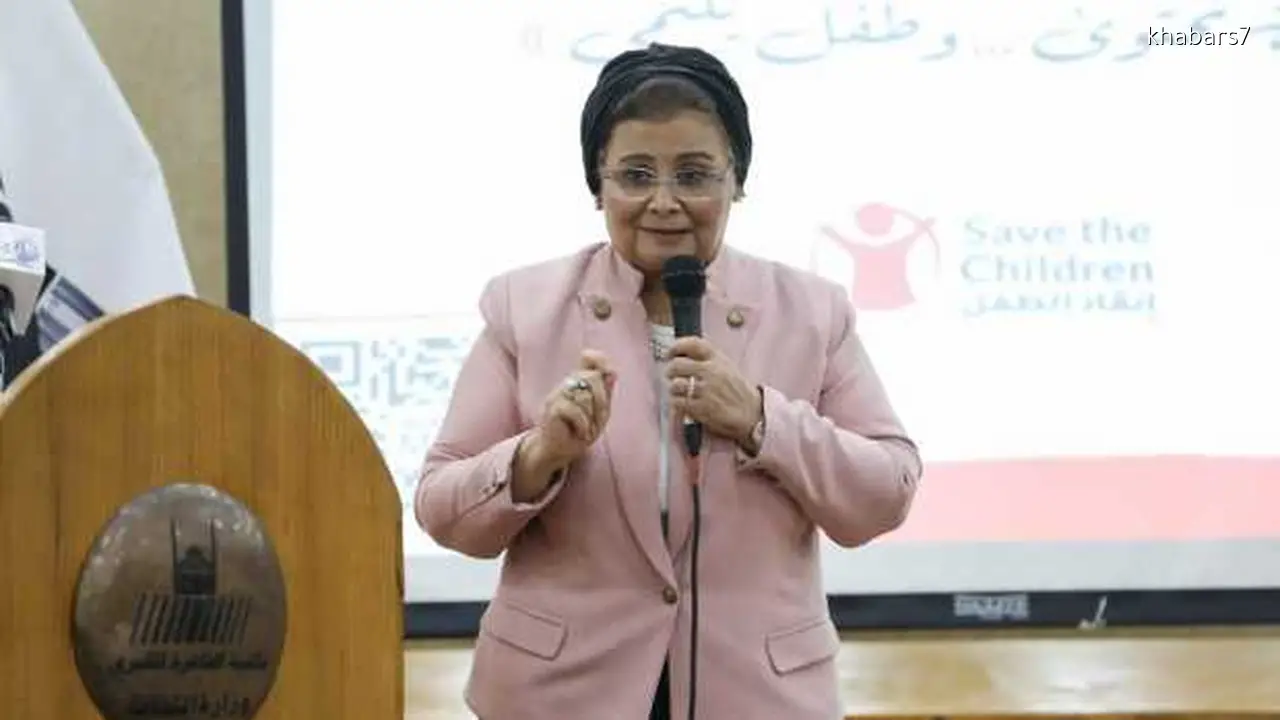
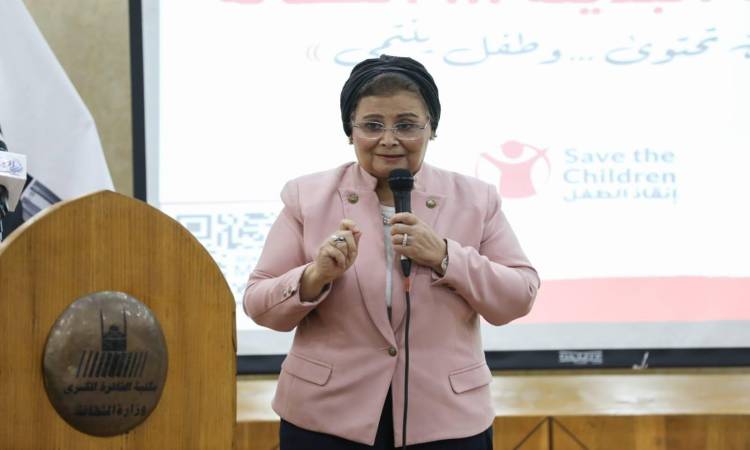
جانب من الفاعلية.
Dr. Abla El-Afifi, the Deputy Minister of Health and Population for Population Affairs and Family Development, participated in a seminar titled “Alternative Family: A Foster Family that Embraces and a Child that Belongs,” organized by the National Council for Childhood and Motherhood. The event also featured Dr. Sahar El-Sanbati, the Council’s President, alongside representatives from the Ministry of Social Solidarity, the Public Prosecution, the House of Representatives, civil society organizations, and relevant organizations.
Dr. El-Afifi emphasized that alternative care and foster care are receiving substantial support from political leadership, which prioritizes every child’s right to grow up in a family that provides care, belonging, and support.
She noted that the Ministry of Health’s role begins as soon as children without family care are found, providing comprehensive health care to ensure their well-being before integrating them into alternative care systems.
The Deputy Minister distinguished between material care (food, shelter) and nurturing that encompasses moral upbringing, belongingness, and psychological and social support. She stressed the importance of preparing foster families with the necessary knowledge and skills to meet children’s psychological and social needs.
She also called for increased egypts-ministry-of-awqaf-launches-cultural-week-across-27-mosques/">community awareness and highlighted successful examples of foster families while maximizing the use of the hotline for found children (16439). Additionally, she urged for media campaigns across social platforms to promote a culture of fostering.
Dr. El-Afifi mentioned that the ministry has a robust infrastructure supporting this initiative, which includes 4,250 health units equipped with family counseling rooms and over 12,000 trained counselors to provide ongoing support and guidance to foster families.
She reaffirmed that state policy aims to reunite all children without care with alternative or extended families gradually phasing out care institutions to ensure stability for children and safeguard their futures.
Dr. Sahar El-Sanbati reiterated that every child’s right to a safe family is a fundamental right enshrined in international conventions and national legislation. She noted significant progress in Egypt’s alternative family system and the Council’s pivotal role in promoting fostering culture while coordinating with relevant entities through child helpline (16000).
Jacqueline Mamdouh, Head of the Central Administration for Social Care at the Ministry of Social Solidarity, stated that alternative care is a top priority for the ministry and praised civil society organizations as essential partners in supporting this system.
Furthermore, Counselor Youssef Al-Daftar, General Attorney at the Office of the Public Prosecutor, outlined efforts by the Public Prosecution to protect children. He mentioned establishing an office dedicated to child protection and those with disabilities to enhance monitoring and coordination with relevant agencies.
Comments