

2026 Hajj Season Proves Challenging for Egypt’s Tourism Sector
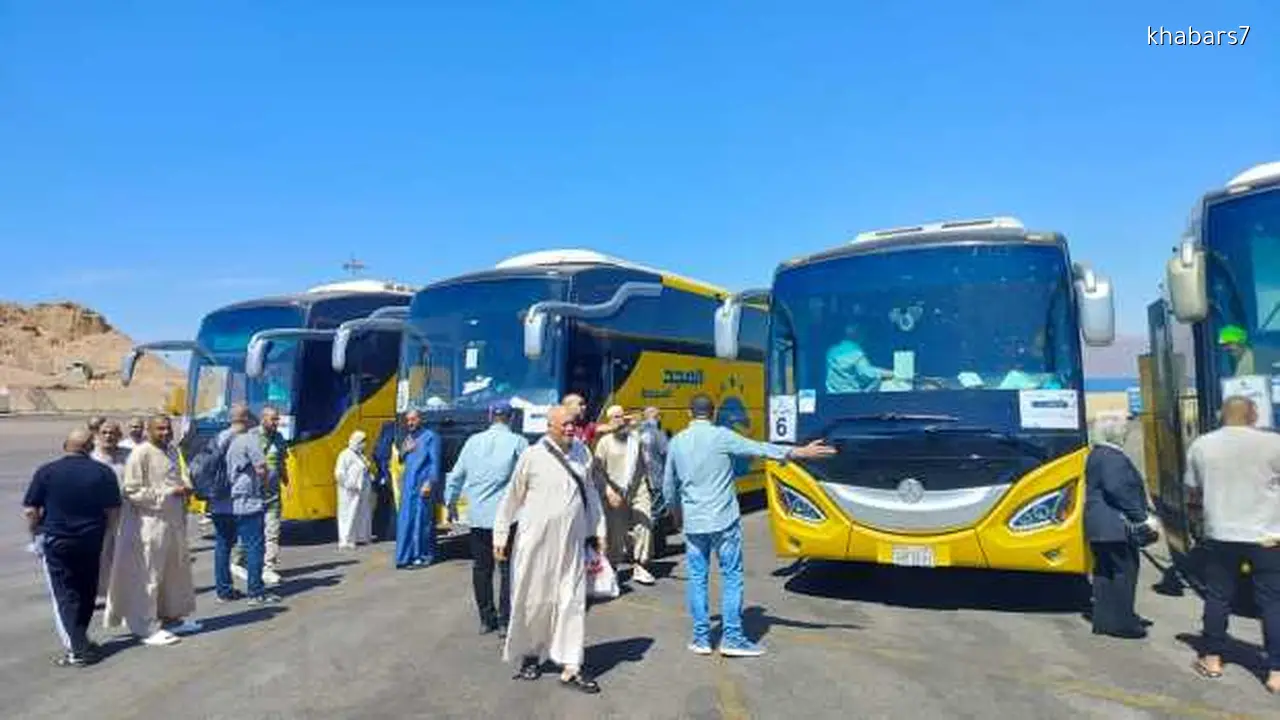
Hajj Tourists.
In an initial comprehensive assessment of the 2026 Hajj season, Nasser Turki, Vice President of the Federation of Tourism Chambers and member of the Higher Committee for Hajj, stated that this year’s season is among the most challenging in Egypt’s history. This difficulty arises from a complete shift to a unified delegation system, which has introduced unprecedented organizational and procedural challenges. Turki noted that successfully processing approximately 41,000 pilgrims marks a significant achievement for all parties involved in the organization.
At the outset of his remarks, Turki congratulated the pilgrims on completing their Hajj rituals and returning safely to their homeland, praying for the acceptance of their pilgrimage and good deeds.
Higher Committee for Hajj
He explained that the Higher Committee for Hajj is responsible for establishing regulations for the season and monitoring their implementation in coordination with relevant administrative bodies and travel agencies. He emphasized that this year’s Hajj season has seen many positives to build upon, alongside challenges that should be leveraged to improve future operations.
Unified Delegation System Changes Operational Rules
Turki highlighted that previously, tourism companies handled contracting, documentation, banking transfers, and other procedures individually. The new system mandates complete coordination between the delegation and companies along with administrative entities.
He added that Saudi Arabia implemented a precise timeline this year with specific deadlines for contracting land in sacred sites, finalizing hotel contracts, and issuing visas. This required full compliance from all parties to prevent any impact on visa allocations for pilgrims.
Turki confirmed that the tourism delegation, represented by the Ministry of Tourism and Antiquities and travel agencies’ chamber, successfully completed procedures for around 41,000 pilgrims, including those from various entities joining the tourism Hajj system despite the extensive workload and multiple service providers involved.
Significant Success in Preparation and Organization Phase
He noted that the initial preparation phase was highly successful, reflected in praise received by the Ministry of Tourism and Antiquities during the chamber’s general assembly. The execution phase relied on a comprehensive electronic system to monitor each pilgrim from departure until their return home.
“Hajj Without Luggage” – Limited Issues with Immediate Solutions
Regarding the “Hajj Without Luggage” initiative, Turki acknowledged some delays with luggage due to errors related to hotel names or changes in accommodation locations upon arrival. However, he stated that the Egyptian delegation worked with Saudi Arabia’s Ministry of Hajj to address these issues promptly.
He stressed the importance of travel companies adhering strictly to agreed programs with pilgrims in future seasons and only changing hotels or accommodations under regulated conditions to avoid similar problems.
Social Media Does Not Reflect Full Picture of Season
Turki asserted that any crisis or issue during the season should be addressed through official channels and designated delegations. He pointed out that some social media discussions may create an inaccurate impression of widespread problems when, in reality, this season has been largely successful with only limited challenges managed professionally.
Resolution of High-Speed Train Issue Between Medina and Mecca
The Vice President also revealed that transporting pilgrims from Medina to Mecca via high-speed train encountered challenges due to electronic routing errors. However, these issues were swiftly resolved without significantly impacting pilgrim movement.
He called for clearer mechanisms for coordination and contracting between Egyptian delegations and Saudi authorities in future seasons to prevent recurring issues.
Widespread Praise for Economic and Land Services
Turki confirmed that hotels and services provided to pilgrims reached high standards this year. He noted significant appreciation from pilgrims regarding improvements made for economic and land program participants.
Approximately 80% of total tourism pilgrims were part of economic programs. Turki emphasized that 2026 is one of the best seasons for this category concerning service levels, with many benefiting from extended stays—up to ten nights—in five-star hotels overlooking the Grand Mosque in Mecca.
He urged increased awareness efforts next season to inform pilgrims about available services within their various programs.
Comprehensive Review of Five-Star Programs
Regarding five-star Hajj programs, he explained these vary based on contracts between pilgrims and executing companies. Some shortcomings were noted in a limited number of programs concerning support services and staff distribution at certain sites.
Turki assured that relevant authorities would hold accountable any companies found lacking according to established regulations governing tourism Hajj operations.
Activation of Tourism Discipline Committee
In efforts to enhance operational systems within the sector, Nasser Turki announced the activation of a Tourism Discipline Committee per union law which was approved by its board four months ago.
The objectives and regulations governing this committee will be announced through legal advisors aimed at establishing clear rules governing tourism activities across various specialties ensuring performance oversight while enhancing sector efficiency and professional discipline among active companies.
Administrative Development Preparedness for Future Challenges
Turki concluded his remarks by emphasizing the need for administrative development within travel agencies’ chambers while increasing participation numbers in future delegations. This enhancement aims at better regulatory oversight capabilities while allowing companies greater flexibility in contracting high-quality services collaboratively with Saudi counterparts ensuring continuous improvement in service levels offered to Egyptian pilgrims.
Comments