

Higher Education Ministry Launches Comprehensive Training Program for University President Candidates
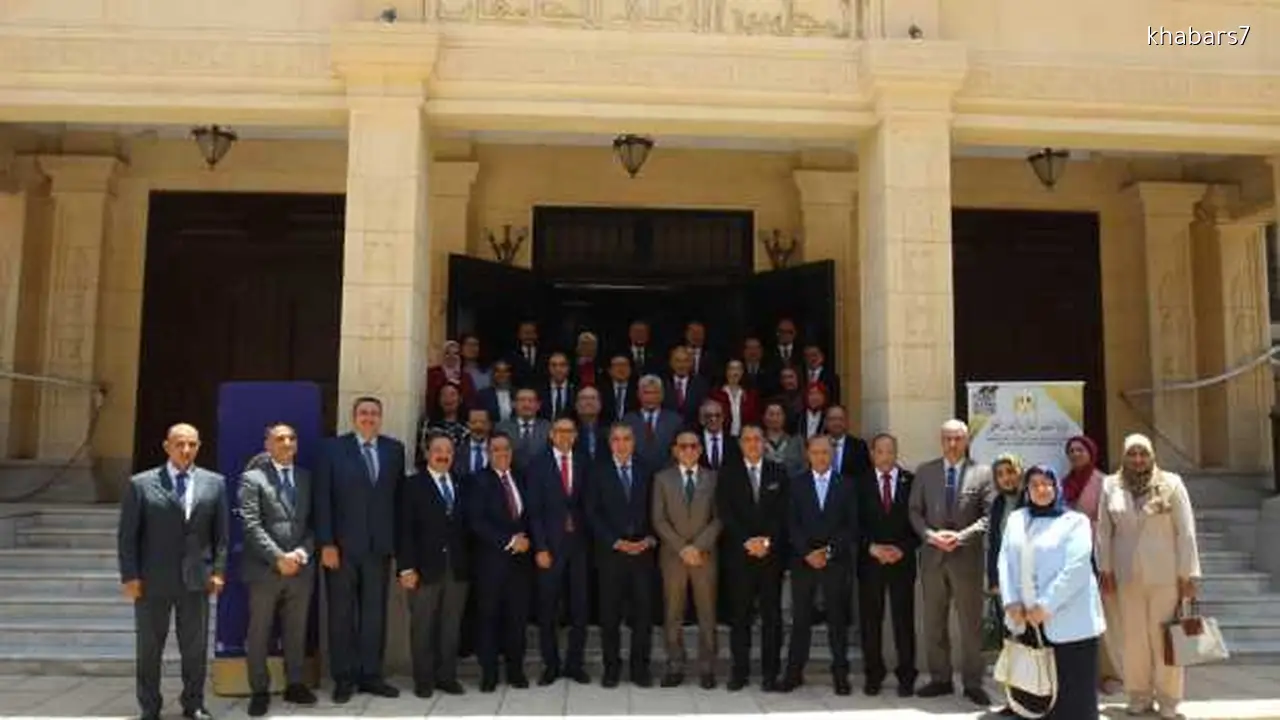
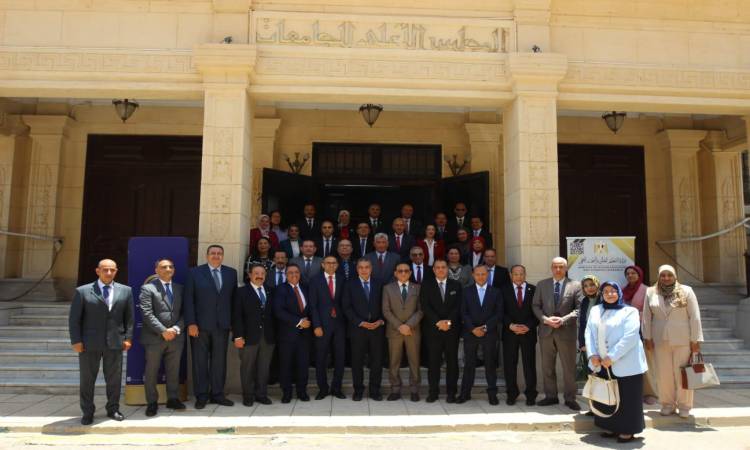
Side of the lectures.
The Ministry of Higher Education and Scientific Research has announced the commencement of a training program for candidates vying for the position of university president. This initiative is a collaborative effort between the Supreme Council of Universities and the Leadership Preparation Institute.
Under the auspices of Dr. Abdelaziz Qonswa, Minister of Higher Education and Scientific Research, and supervised by Dr. Mostafa Refaat, Secretary of the Supreme Council of Universities, along with Dr. Karim Hammam, Advisor to the Minister for Student Activities and Director of the Leadership Preparation Institute, this program aims to enhance university management efficiency and bolster institutional capacities within Egyptian universities.
This training initiative reflects the ministry’s commitment to preparing university leaders to continue advancing development within higher education institutions. It provides a platform for dialogue, experience exchange, and discussion on contemporary issues and challenges facing universities, thereby supporting decision-making processes aligned with national development goals.
The program includes a series of specialized lectures addressing various aspects of university management and institutional performance enhancement. It commenced with a lecture titled “Media Engagement,” delivered by Dr. Adel Abdel Ghaffar, media advisor and spokesperson for the Ministry of Higher Education and Scientific Research. He discussed the significance of effective institutional communication, media message management strategies, and the role of media in shaping public perceptions of universities while engaging with societal issues.
Another lecture titled “Legal Aspects in Universities” was presented by Counselor Atef Omar, legal advisor to the Minister. He outlined the legal frameworks governing university operations and emphasized adherence to legislation and regulations as essential for enhancing institutional performance and ensuring sound administrative decisions.
In the leadership and management segment, Dr. Mohamed Wali, a professional trainer and former Dean of the Faculty of Computers and Information at Damanhour University, delivered a lecture on “The Art of University Leadership.” He highlighted modern leadership concepts and practices, as well as the role of effective leadership in fostering institutional development, managing teams, and encouraging innovation within universities.
Dr. Karim Amara, Director of Egyptian Universities Network at the Supreme Council’s Electronic Services Center, discussed “Digital Transformation in Universities: Its Importance and Mechanisms.” He emphasized recent trends in digital transformation and how technology can be utilized to improve educational services, administrative efficiency, and institutional sustainability.
To promote national awareness among university leaders, a lecture on “Awareness and National Security Foundations” was conducted by Major General Engineer Hafiz Mahmoud, former Assistant Minister of Trade and Industry. He reviewed national security concepts from various perspectives and discussed universities’ role in fostering national awareness while instilling values of belongingness and social responsibility.
The program also included a session on “The Concept of Corruption and Role of Administrative Control Authority (Introduction to National Anti-Corruption Strategy),” presented by Major General Dr. Mohamed Salama, Deputy Head of Administrative Control Authority. He discussed state efforts to instill principles of integrity and transparency as well as objectives for implementing national anti-corruption strategies.
The program concluded with a lecture on “The Art of Ceremonies and Etiquette,” delivered by Dr. Nabil Abdel Hamid Ashoush, former Senior Advisor to the Minister of Civil Aviation for Public Relations, Etiquette, and Protocol. He covered etiquette rules during official events emphasizing their importance in representing Egyptian universities appropriately on local, regional, and international stages.
Dr. Mostafa Refaat stated that enhancing higher education systems is closely linked to university leaders’ ability to anticipate future challenges while adapting to rapid changes. He noted that the Supreme Council is committed to providing quality programs that address current challenges while facilitating experience exchange among academic leaders to enhance university administration efficiency.
Furthermore, Dr. Karim Hammam reiterated that this program reflects an integrated vision combining administrative, legal, media-related national awareness elements along with technological advancements enabling participants to learn about modern trends in managing higher education institutions.
He highlighted that ongoing collaboration between the Supreme Council of Universities and Leadership Preparation Institute exemplifies successful integration efforts aimed at supporting higher education systems towards building more efficient universities capable of innovation while competing regionally and internationally.
Comments