

Final Statement of the Third International Summit for Religious Leaders 2026
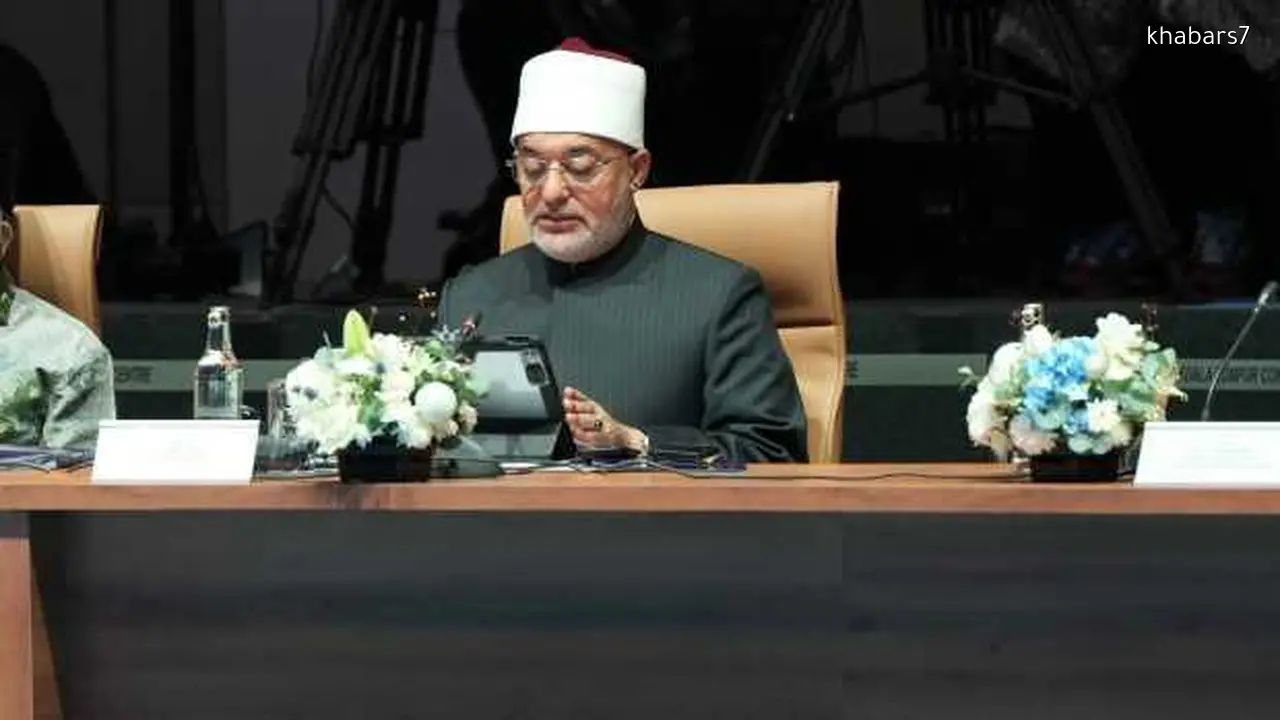
Dr. Nazih Mohamed Ayad, the Grand Mufti of Egypt and Secretary-General of the World Association of Fatwa Authorities, delivered the final statement of the Third International Summit for Religious Leaders 2026, held in Kuala Lumpur, Malaysia. The summit, themed “Religious Leaders and Youth Empowerment,” was organized in collaboration with the Malaysian Prime Minister’s Office and the Muslim World League, featuring prominent religious leaders, ministers, academics, experts, and youth representatives from various countries.
The statement reads:.
In a world where scientific and technological transformations are accelerating at an unprecedented pace, young people face growing challenges that impact their identity, values, and sense of belonging. These challenges hinder nations’ hopes for a bright future.
Recognizing the role of religion in shaping civilization and inspiring youth towards creativity and participation in development paths that serve humanity and foster peace, the Malaysian Prime Minister’s Office and the Muslim World League convened this summit in Kuala Lumpur. It aimed to engage this vital demographic in promoting a culture of coexistence leading to sustainable development that leverages diversity for the welfare and security of peoples.
Participants reviewed recent global tensions in the Middle East and their deep economic repercussions affecting community stability. They called for a ceasefire and a comprehensive solution based on mutual trust, respect, good neighborliness, and an end to arms races, especially concerning weapons of mass destruction. The religious leaders emphasized that addressing escalating crises requires activating international frameworks and legal means while promoting a culture of dialogue and understanding. They urged for a neutralization of hate speech, racism, and extremism while expanding spaces for human partnership and regional integration that respects religious and cultural diversity while safeguarding human dignity.
The leaders discussed rapid global transformations accompanied by rising polarization, extremism, fear, and uncertainty among younger generations. They expressed concern over exclusionary tendencies that deepen divisions and foster hatred. They stressed the need for more balanced approaches inspired by successful human experiences that build on commonalities. They agreed that empowering youth is both a civilizational necessity and a strategic investment requiring enhancement of their intellectual resilience while instilling values within them. They also highlighted opportunities presented by modern technologies and artificial intelligence while mitigating associated risks. They acknowledged the pivotal role of the documents from Mecca in bridging Islamic sects as a radical evolution in managing diversity to enhance community peace.
The participants reached consensus on several principles:.
- Religion is an original source of values that strengthens moral responsibility and directs human energies towards goodness, reforming society.
- Human beings are endowed with divine dignity that transcends religious or cultural differences; they share responsibility for building civilization.
- Religious and cultural diversity is a human norm that enriches civilization; it necessitates fostering values of coexistence and tolerance while turning differences into opportunities for integration.
- Coexistence is a civilizational necessity based on recognizing the unity of the human family while enhancing bonds of brotherhood and national belonging.
- Conscious citizenship is founded on respecting state systems and laws while firmly opposing exclusionary calls, hate speech, and racial incitement.
- Youth are strategic assets for nations; empowering them is a comprehensive process combining knowledge with values, ambition with responsibility while preserving identity.
- Religious leaders partnering with educational institutions play a strategic role in shaping younger generations’ awareness to protect them from extremism.
- Quality education and value-based upbringing are fundamental pillars for preparing generations capable of shouldering responsibilities contributing to national development.
Recommendations:.
- Create a sustainable international framework for cooperation between religious leaders and youth as well as educational institutions to exchange expertise supporting initiatives aimed at empowering youth.
- Develop comprehensive programs to intellectually empower youth while preparing aware leaders who actively participate in shaping future policies as effective partners.
- Support religious institutions in refining their discourse directed at new generations by blending authenticity with modernity to protect youth from extremism.
- Utilize digital media and artificial intelligence to disseminate positive messages promoting tolerance while countering hate speech; encourage youth initiatives fostering active citizenship.
- Call upon governments and international organizations to invest more in youth-related research addressing their issues while leveraging religious leaders’ influence to strengthen interfaith diplomacy facilitating dialogue to address crises.
- Cultivate a culture of diversity rejecting exclusionary practices; urge the international community to address humanitarian tragedies including those faced by Palestinians in Gaza while working diligently to halt violations protecting civilians under international law.
- Award an international diplomacy prize jointly sponsored by the Malaysian Prime Minister’s Office and Muslim World League recognizing individuals or institutions excelling at promoting global peace through moderation, tolerance, coexistence as well as conflict resolution efforts.
At the conclusion of the summit’s proceedings, participants expressed profound gratitude towards both the Malaysian Prime Minister’s Office and Muslim World League for their collaborative efforts in organizing this summit successfully. They expressed hope for continuing this constructive international path enhancing partnerships among religious leaders across various institutions contributing to solidifying peace values fostering greater stability for future generations.
Comments