

Prime Minister Announces 1,086 Projects Under ‘Decent Life’ Initiative in Beni Suef
 Beni Suef Governor" width="750" height="450" />
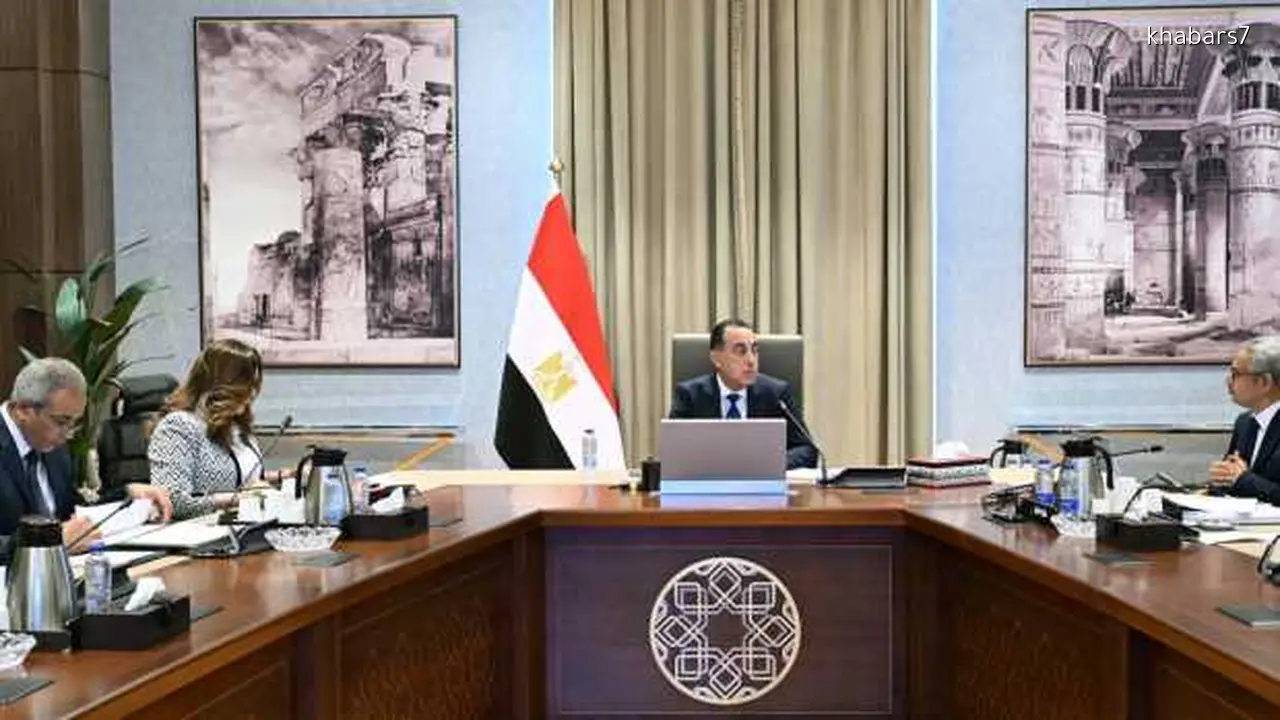
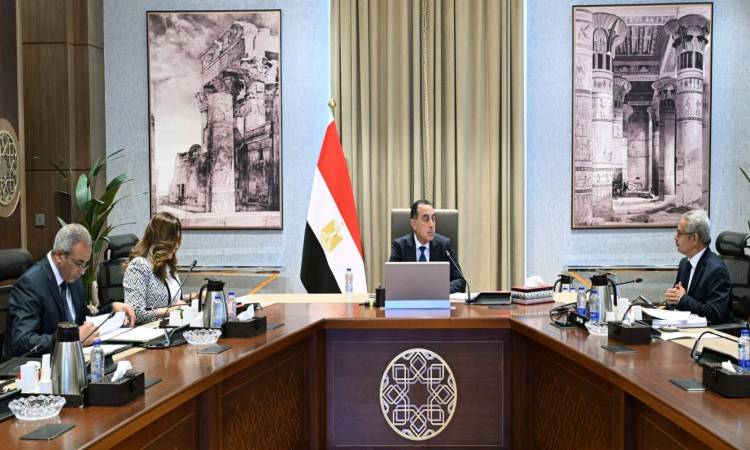
Prime Minister Mostafa Madbouly reviewed the status of service and development projects in Beni Suef during a meeting held today. He was joined by Dr. Manal Awad, Minister of Local Development and Environment, and Major General Abdullah Abdel Aziz, Governor of Beni Suef.
During the meeting, Madbouly emphasized the importance of monitoring the progress of various service and development projects across all provinces to assess implementation rates and identify challenges. The goal is to expedite project completion and ensure they begin operations to improve the quality of services provided to citizens nationwide.
Minister Awad noted that Beni Suef occupies a strategic location as it is closest to Greater Cairo among the northern Upper Egypt governorates. The province comprises seven districts, 40 local units, and 225 villages, with numerous resources that can transform its human capital into a competitive production force regionally and internationally. It features diverse attractions, including archaeological sites, industrial zones, and growing investment areas that encompass key sectors such as agriculture, transport, logistics services, telecommunications, and small-to-medium enterprises.
Governor Abdel Aziz presented the province’s vision for sustainable development launched in 2020 and updated in March 2026. This vision aligns with Egypt’s Vision 2030 and the government’s action plan while adhering to the United Nations’ seventeen Sustainable Development Goals (SDGs). The strategy focuses on three key objectives: improving quality of life, achieving economic development, and enhancing governance.
To realize the first strategic goal of improving quality of life, Abdel Aziz highlighted ongoing efforts to complete various service projects, particularly infrastructure initiatives under the presidential “Decent Life” initiative. The second goal aims at economic development; Beni Suef has formulated an economic development vision encompassing several sectors where it possesses competitive advantages. This includes around 453 roads spanning approximately 2,308 kilometers as well as implementing routes and stations for a high-speed electric train project.
In agriculture, around 296,223 acres are cultivated with wheat production reaching 116,381 acres; so far, about 327,168 tons have been supplied—145% of the target—an increase of 40 thousand tons compared to last year’s total of 286 thousand tons. Additionally, there are about 18,330 acres planted with medicinal and aromatic plants.
The industrial sector in Beni Suef includes eleven integrated industrial zones such as Kom Abu Radi with 234 factories and Bayad Al-Arab with a total of 365 factories. The province also boasts numerous tourist destinations and nature reserves while executing multiple projects aimed at enhancing infrastructure to support digital transformation in communication services.
The governor detailed significant achievements made recently regarding citizens’ quality of life. Efforts include identifying waste collection hotspots across the province and implementing an urgent plan for their removal to enhance environmental health. Additionally, they have rehabilitated and handed over homes for deserving families in villages within Al-Wasta center in collaboration with local community organizations.
In terms of economic investment initiatives, Abdel Aziz mentioned completed projects that signify a qualitative leap in infrastructure within industrial areas. In March alone this year, around 1,700 tourists visited archaeological sites in the province. Furthermore, an ambulance unit was inaugurated in Ihnasia as part of projects undertaken by the “Decent Life” initiative aimed at improving emergency medical services.
The governor also discussed ongoing monitoring efforts for phase one projects under this presidential initiative targeting sixty-six main villages. To date, they have completed 1,086 projects across various sectors while ensuring proper land allocation for future project phases.
On investment opportunities within Beni Suef, he noted comprehensive studies on infrastructure needs have been conducted to guide investments towards sectors that significantly contribute to economic growth. The province has also identified unutilized lands for optimal investment use while developing an integrated investment map highlighting diverse opportunities across various sectors.
Beni Suef has become capable of transforming investment opportunities into tangible projects with several promising targeted investments underway—including an integrated investment zone for medicinal plants and agricultural processing on a thousand acres intended to maximize economic returns from these sectors.
Comments