

Cybersecurity Essential for Digital Economy Sustainability, Says Minister
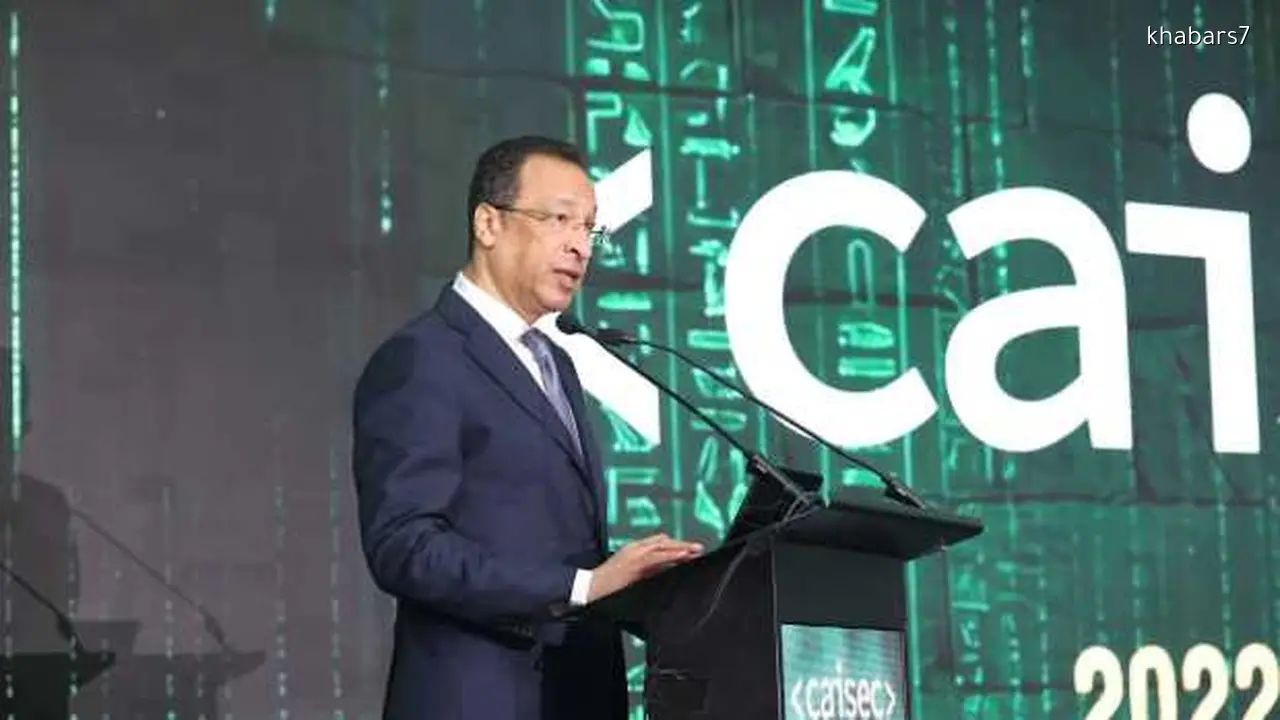
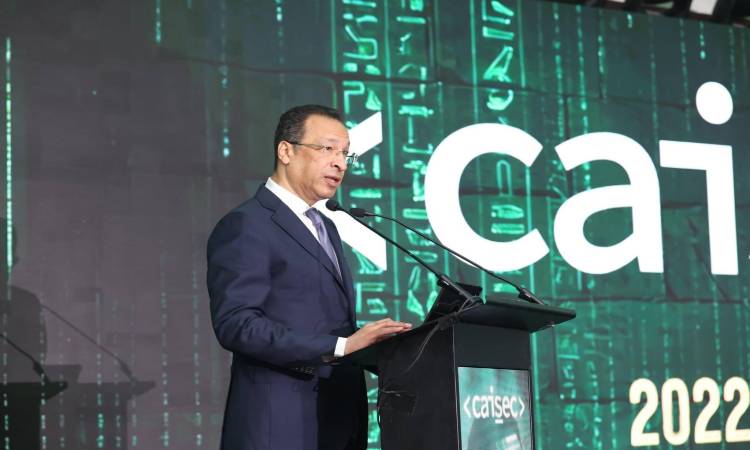
Opening session of the fifth CAISEC’26 conference.
Engineer Raafat Hindi, Egypt’s Minister of Communications and Information Technology, emphasized the country’s comprehensive vision for establishing a secure digital space. This vision integrates policy development, technical readiness enhancement, human capacity building, and innovation support. He noted that Egypt continues to implement the second version of the National Cybersecurity Strategy 2023-2027 through the institutional framework of the Supreme Cybersecurity Council, which aims to strengthen the protection of digital infrastructure and enhance readiness and response capabilities.
During his speech at the opening session of the fifth CAISEC’26 conference on June 8 and 9, under the patronage of Prime Minister Mostafa Madbouly and supported by ten ministries, Hindi announced that preliminary work has begun on preparing the third version of the strategy to keep pace with rapid global developments and address challenges and opportunities posed by modern technologies.

The conference is organized by Mercury Communications under the theme “Securing the Future: Insuring Against the Unknown,” featuring over 180 speakers and more than 5,000 participants from 22 countries.
Hindi expressed gratitude to the organizing entities and participating partners for their success in providing a platform that gathers decision-makers, experts, researchers, private sector representatives, and academics from various countries to discuss issues that have become fundamental to sustaining the digital economy and enhancing trust in digital environments.
He highlighted that digital technology has become an integral part of modern economies and government operations. Data is now a crucial element in generating economic value, supporting innovation, and facilitating decision-making. Cybersecurity issues are no longer limited to protecting systems and networks but are closely linked to maintaining trust in the digital economy, ensuring service continuity, safeguarding digital assets, and enhancing nations’ abilities to manage their data securely.

Hindi stressed that protecting technological infrastructure is at the core of national security issues. He noted that digital sovereignty has emerged as a key component in protecting national interests and ensuring readiness for future challenges while guaranteeing essential services’ continuity and reliability.
He likened data centers to traditional economic arteries like roads and airports, highlighting their importance in hosting data and delivering digital services while supporting AI applications. Hindi reaffirmed Egypt’s commitment to enhancing its position as a regional hub for data and digital services through developing its digital infrastructure and encouraging investments in data centers and cloud computing to support digital sovereignty.

He addressed challenges posed by emerging technologies such as artificial intelligence (AI) and quantum computing. While AI applications enhance monitoring capabilities against cyber threats, quantum computing presents future challenges concerning encryption systems. To address these changes, Hindi announced that the National Council for Artificial Intelligence has been restructured into a council focusing on artificial intelligence, quantum computing, and emerging technologies.

The government is working on enhancing technical readiness across vital sectors while boosting their ability to prevent, respond to, and recover from cyber threats. Hindi mentioned that 45 companies have been certified as cybersecurity service providers as part of efforts to develop Egypt’s cybersecurity market.
He emphasized that human resources are fundamental to cybersecurity systems. Hindi reviewed national initiatives aimed at building capacities for professionals such as “Digital Generations,” “Digital Pioneers,” “Cybersecurity Academy for Youth,” and “Mahara Tech.” He also introduced “Waei.net,” a platform launched in collaboration with national child protection bodies aimed at raising awareness about digital citizenship among children.

In conclusion, he highlighted that due to cyberspace’s borderless nature, international cooperation is essential. No country or institution can independently tackle cybersecurity challenges or keep pace with rapid technological developments. Hindi affirmed Egypt’s commitment to collaborating with regional and international partners to enhance cybersecurity efforts while preparing for future technologies.
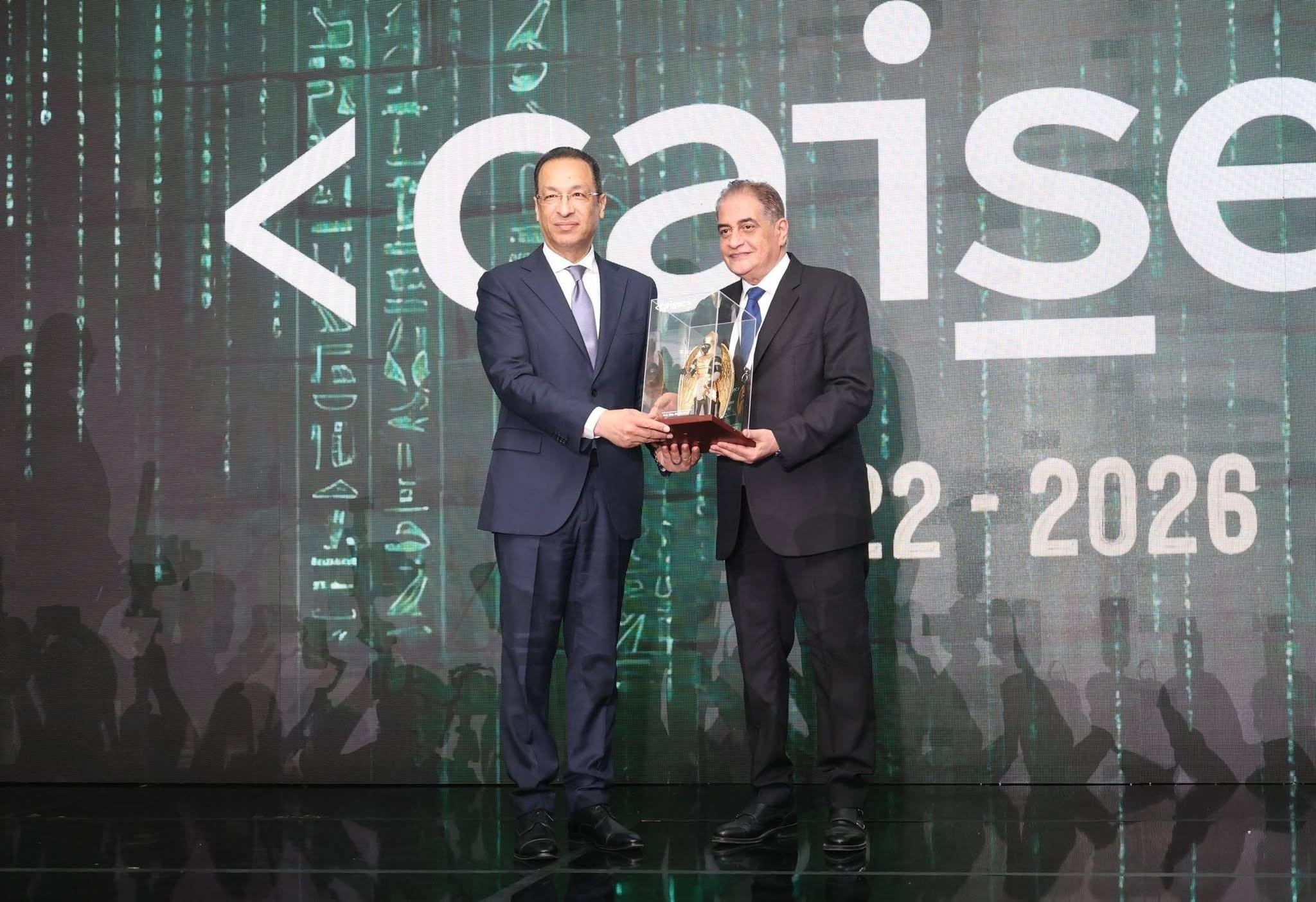
Osama Kamal, Chairman of Mercury Communications—the organizing company behind CAISEC—stated that technology has evolved from being an independent sector into a primary driver across all sectors today.
Kamal noted that CAISEC was launched five years ago amid global cybersecurity challenges arising from events like the Russia–Ukraine conflict.

Kamal asserted that digital sovereignty is as critical as territorial sovereignty for Arab and African nations. This necessity calls for keeping up with rapid developments in cybersecurity practices. These issues will be central topics during this year’s CAISEC conference.
The opening session featured several high-profile officials including Major General Ahmed Mohamed Anani representing Minister of Defense General Ashraf Salim Zaher; Dr. Sherif Hazem from Central Bank Egypt; Dr. Islam Azam from Financial Regulatory Authority; Dr. Jan Elsperger from European Institute for Telecommunications Standards; Divine Selassie Agbiti from Ghana Cybersecurity Authority; Lassina Kone from Smart Africa; along with leaders from Egypt’s Ministry of Communications.
Comments