

EgyptAir Rejoins IATA Board, Regaining Influence in Aviation Decision-Making
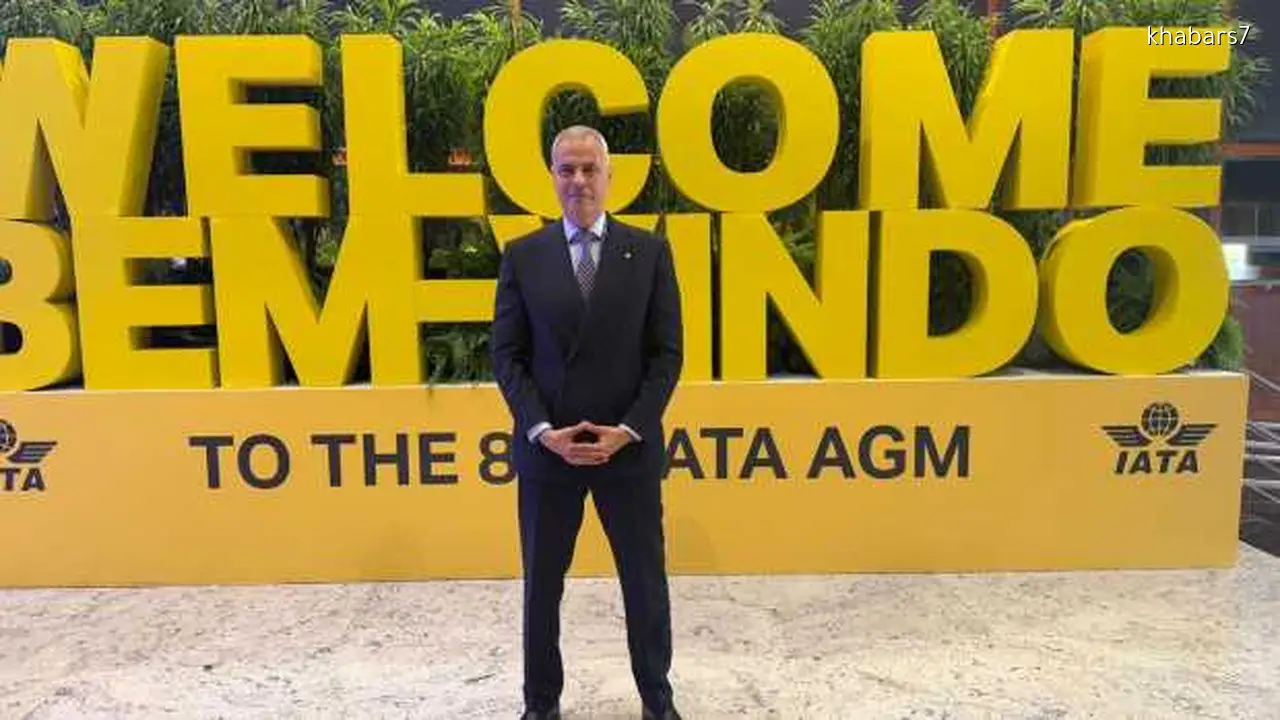
EgyptAir has successfully regained its membership on the Board of the International Air Transport Association (IATA) after a six-year absence. This achievement came during the elections held alongside the 82nd General Assembly of IATA in Rio de Janeiro, Brazil, from June 6 to June 8, 2026.
This milestone adds to the growing list of successes within Egypt’s civil aviation sector.
The elections resulted in Captain Ahmed Adel, Chairman and CEO of EgyptAir Holding Company, being elected as a board member representing the Middle East and North Africa. This development underscores EgyptAir’s prominent position within the international air transport community and marks its return to one of the key decision-making platforms in global aviation.
This victory is a culmination of efforts by the Ministry of Civil Aviation and its strategy aimed at enhancing Egypt’s presence within specialized international organizations, reinforcing the country’s influential role in regional and global air transport.
In response to this achievement, Captain Ahmed Adel expressed pride in EgyptAir’s election to the IATA Board, stating that it reflects international recognition of the national carrier’s role and demonstrates members’ confidence in Egyptian expertise and capabilities to effectively contribute to shaping the future of global air transport.
He further added that regaining this seat presents an important opportunity to enhance collaboration with member airlines and support initiatives aimed at developing the industry and addressing global challenges, ultimately serving the interests of the civil aviation sector.
The International Air Transport Association (IATA) serves as the primary umbrella organization for airlines worldwide, representing over 370 airlines that account for a significant portion of global air traffic. Its board is responsible for setting strategic directions for the association and addressing key issues related to the future of the industry, including sustainability, digital transformation, and safety standards development.
Comments