

Water Resources Minister Confirms Readiness of Water System Amid Peak Demand
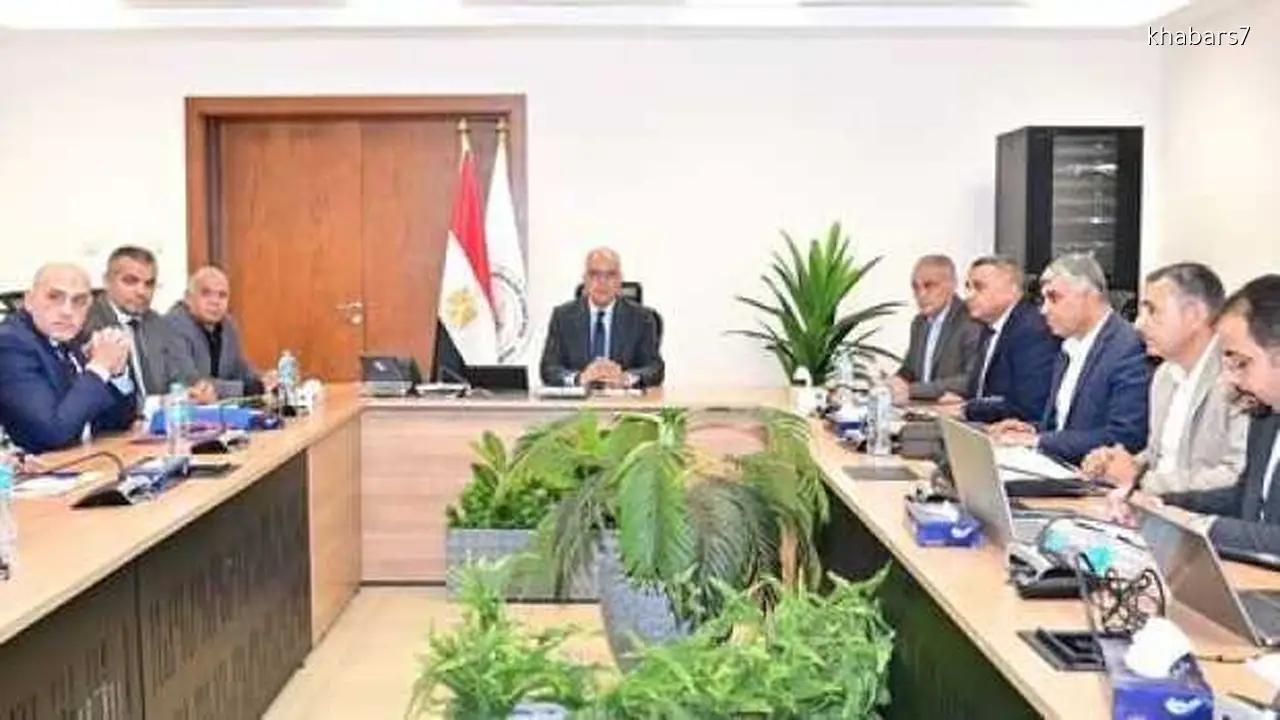
Dr. Hani Sewilam, the Minister of Water Resources and Irrigation, convened a meeting to assess the water situation and the operational status of the water system in the Central Administration for Water Resources and Irrigation in Dakahlia Governorate.
The meeting focused on monitoring the water situation across various governorates during the peak water demand period. During this session, officials reviewed the progress of cleaning canals and drains within Dakahlia, noting that 1,820 kilometers of canals and 1,127 kilometers of drains have been cleared to date.
Efforts are also ongoing to monitor irrigation and agricultural activities related to cleaning private waterways, with 722 kilometers of these waterways cleaned so far.
The meeting included an update on the maintenance of canal gates and water facilities, with a total of 38 structures under review; 13 have been completed while work continues on 25 others.
Additionally, the status of maintenance for intermediate mixing stations in Dakahlia was discussed, covering a total of 87 stations. The maintenance status of lifting stations was also presented, highlighting completed repairs at both new and old Al-Matariya stations, while rehabilitation work is ongoing at several other stations including Al-Janina, Al-Irad, Beni Obaid, Basat, Sadqa, Al-Nizam, and both old and new Misr (2) stations.
The minister also reviewed measures for collecting dues owed to the ministry by other entities and strategies to maximize the use of ministry-owned properties in Dakahlia.
Dr. Sewilam reaffirmed the continued readiness of the water system across all governorates, including Dakahlia, to meet all water needs during this current peak demand period.
He instructed the Central Administration for Water Resources and Irrigation in Dakahlia to complete all canal and drain cleaning operations and ensure that cleaning progress is updated on an electronic platform. He emphasized ongoing monitoring of weed growth using satellite imagery compared to actual conditions on the ground. Coordination with agricultural authorities and water user associations is vital for maintaining private waterways and enhancing collaboration with these associations in water management.
Furthermore, he stressed the importance of continuing maintenance work on lifting stations and gates while adhering to scheduled operations. Continuous monitoring of water levels in the canal network is essential to ensure equitable distribution among all beneficiaries.
Comments