

Higher Education Council Approves New Student Participation Initiatives
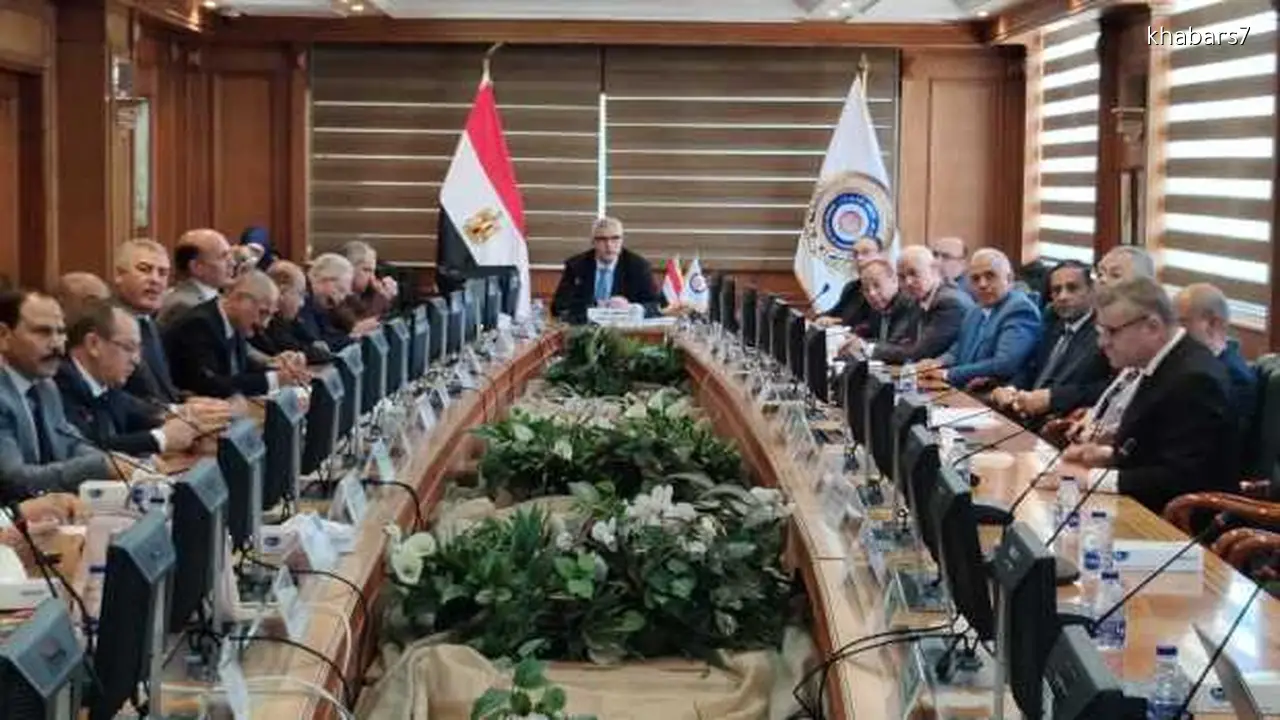
The Higher Council for Education and Students convened its regular meeting, chaired by Dr. Mostafa Rifaat, the Secretary of the Higher Education Council, with the attendance of several university presidents and vice presidents responsible for education and student affairs. The meeting took place in the council’s conference hall.
During the meeting, Dr. Mostafa Rifaat extended his congratulations to the council on the occasion of the new Hijri year, wishing it to be a year filled with goodness, blessings, and success in serving the educational system.
The council discussed several important topics, including approval for the periodic renewal of accreditation for the committees overseeing examinations for technical diplomas and institutes (commercial and engineering). It also ratified the mechanisms and regulations governing these examinations for admission into faculties of Engineering, Commerce, Computer Science, Agriculture, and Law for the academic year 2026-2027.
Additionally, the council reviewed a report presented by Dr. Omar Salem, Director of the Electronic and Knowledge Services Center at the Higher Education Council. The report focused on a survey of student participation (ESSE) targeting final-year students for the academic year 2025-2026 across universities. This survey aims to assess educational service quality and enhance communication channels between students and their institutions while promoting a culture of participation within campus life. The survey recorded participation from 156,363 students, representing 31.55% of total enrolled final-year students nationwide.
The council also examined a report regarding a platform for registering student activities on the Higher Education Council’s website. Updates from the center were presented to support an evaluation system for identifying the best university in student activities for the academic year 2025-2026. Challenges related to recording activities without duplication were addressed to ensure accurate data regarding events executed within universities while tracking participant numbers and providing analytical reports through the platform to measure activity impacts on students.
The council directed university vice presidents responsible for education and student affairs to intensify efforts in documenting all student activities held at Egyptian universities—both collaborative events involving multiple universities and those conducted at individual institutions—through the activity registration platform on the Higher Education Council’s website. This platform serves as an approved institutional framework reflecting governmental universities’ roles alongside the Ministry of Higher Education in community service and raising awareness about national issues and societal challenges.
Furthermore, discussions included a report from Dr. Ahmed Ragab, Vice President of Cairo University and head of a committee tasked with preparing a student guide for Egyptian universities in 2026. The committee proposed 26 items aimed at enhancing student guides based on international standards to help students understand their rights and responsibilities along with academic procedures—serving as a reference when developing university student guides.
The council also listened to proposals from Dr. Karim Hammam, Ministerial Advisor for Student Activities, which included suggestions for implementing a creative student activity focused on producing informative infographics aimed at university students within summer activity plans. This initiative seeks to actively engage them in disseminating awareness messages regarding risks associated with digital addiction and electronic gaming among children, aligning with presidential directives on this matter.
Moreover, proposals included a detailed report outlining key areas supporting state efforts to strengthen youth resilience. These encompassed enhancing awareness campaigns directed at overseas students (proposed Identity Program), ongoing awareness programs targeted at youth within universities, as well as conducting surveys to identify youth needs within universities and how best to address them.
Comments