

World Cup 2026 Hydration Breaks Spark Controversy and Revenue Boost for Broadcasters
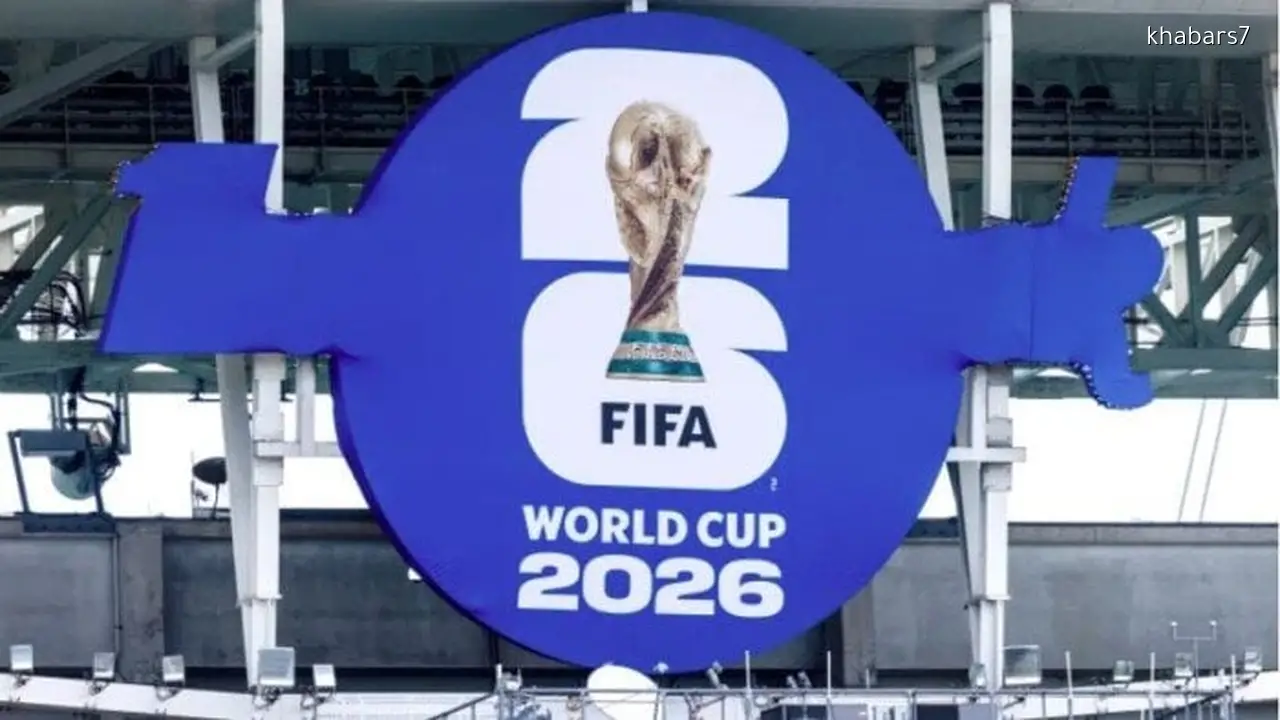
Recent reports indicate that hydration breaks introduced during the 2026 World Cup have become a lucrative revenue stream for broadcasters, igniting controversy over their impact on match flow.
According to the BBC, current regulations for the tournament mandate a three-minute hydration break midway through each half, allowing broadcasters to insert paid advertising slots during matches.
Experts in the sports media sector estimate that advertising revenue linked to these hydration breaks in the U.S. alone could exceed $250 million, with global earnings expected to surpass $1 billion throughout the tournament.
Widespread Criticism from Fans and Coaches
The implementation of these breaks has sparked significant debate within sports circles. Many coaches, players, and fans argue that regular stoppages disrupt the rhythm of play and break the flow of matches, leading to angry reactions and booing in some stadiums.
In contrast, FIFA remains steadfast in enforcing this rule, emphasizing that its primary goal is to protect player health and mitigate heat-related fatigue. FIFA insists on uniform application across all matches, including those played in air-conditioned venues, to maintain fairness among competing teams.
Advertising Across Major Global Markets
Broadcast networks in key markets such as the United States, France, Germany, Italy, Spain, China, Japan, and India are capitalizing on hydration breaks to showcase commercial advertisements.
However, viewers in the United Kingdom may not experience this shift similarly. The BBC does not air commercial advertisements, while ITV is subject to regulatory restrictions concerning the number of advertising minutes allowed during broadcasts.
The Future of Hydration Breaks
Despite ongoing criticism, experts in the sports media industry believe that hydration breaks are likely to persist in future tournaments due to their substantial commercial value for World Cup broadcasting rights.
Furthermore, experts note that anticipated rising temperatures during Morocco’s and Spain’s hosting of the 2030 World Cup may bolster support for this system as a safety measure for players.
Meanwhile, UEFA has confirmed that it does not currently plan to implement similar arrangements for its Champions League or Euro 2028 tournaments. Thus, hydration-related advertising breaks will remain exclusively associated with FIFA competitions for now.
Comments