

New Architectural Elements Discovered at Ancient Temple in Bahariya Oasis
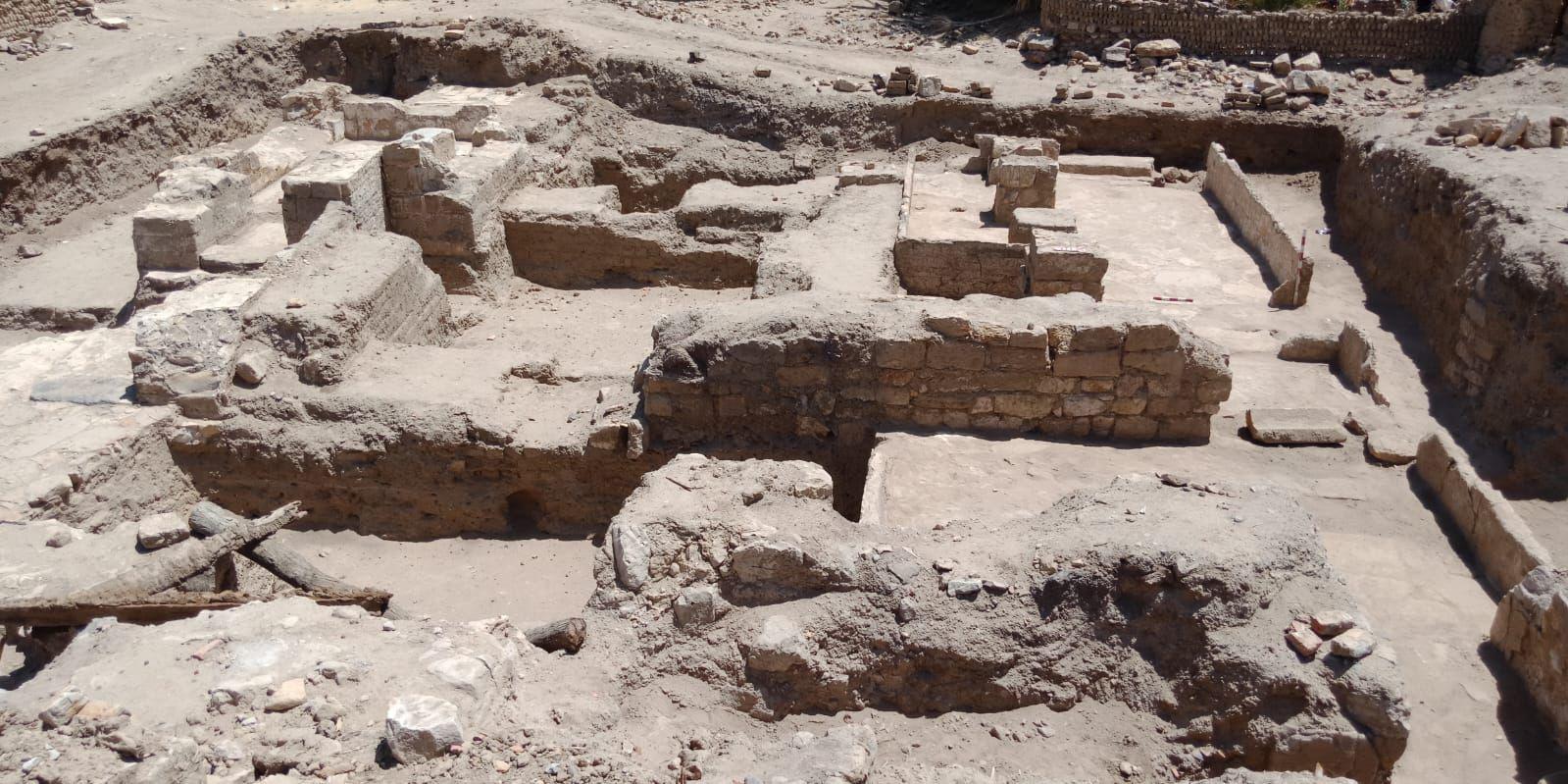
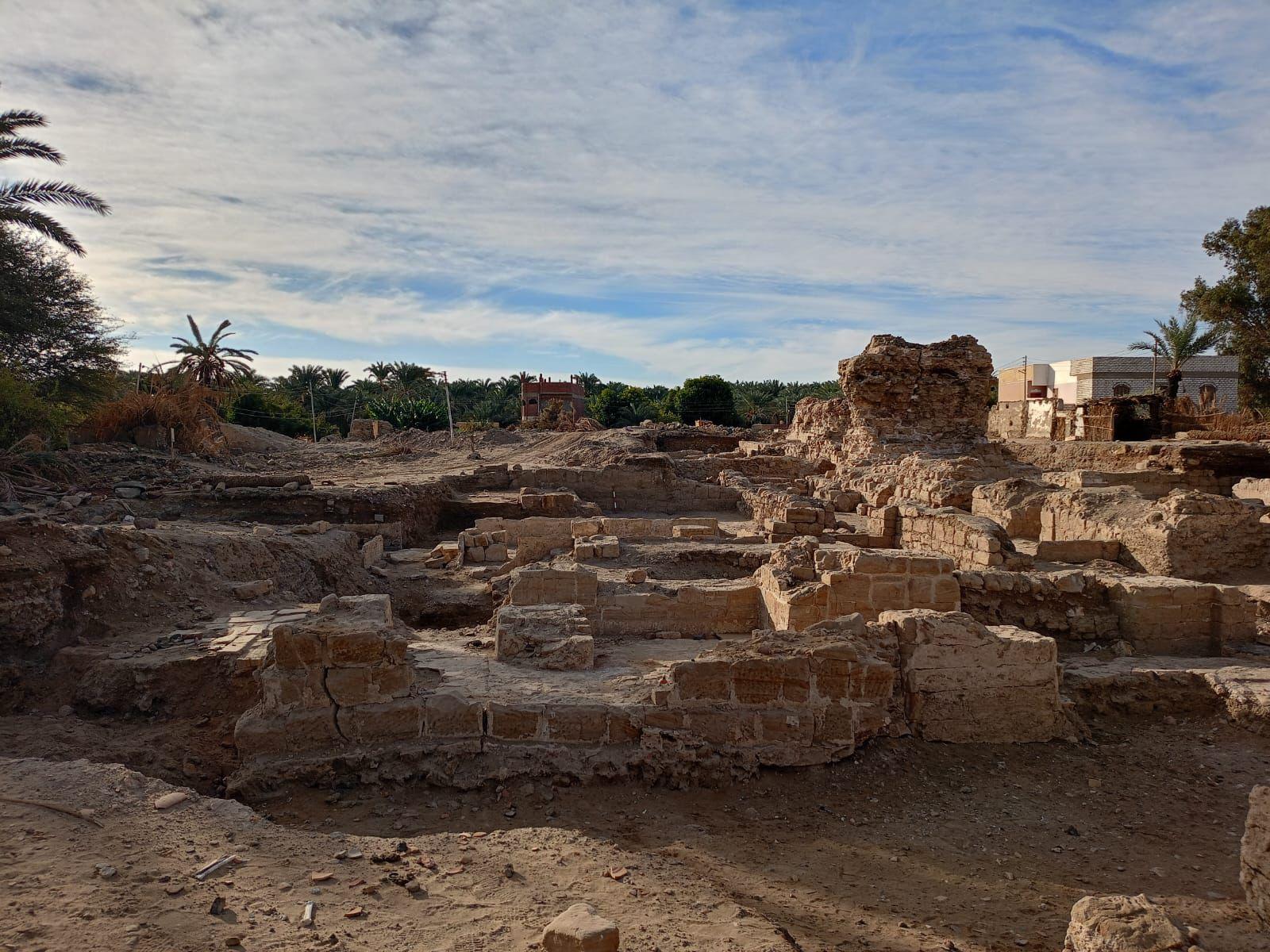
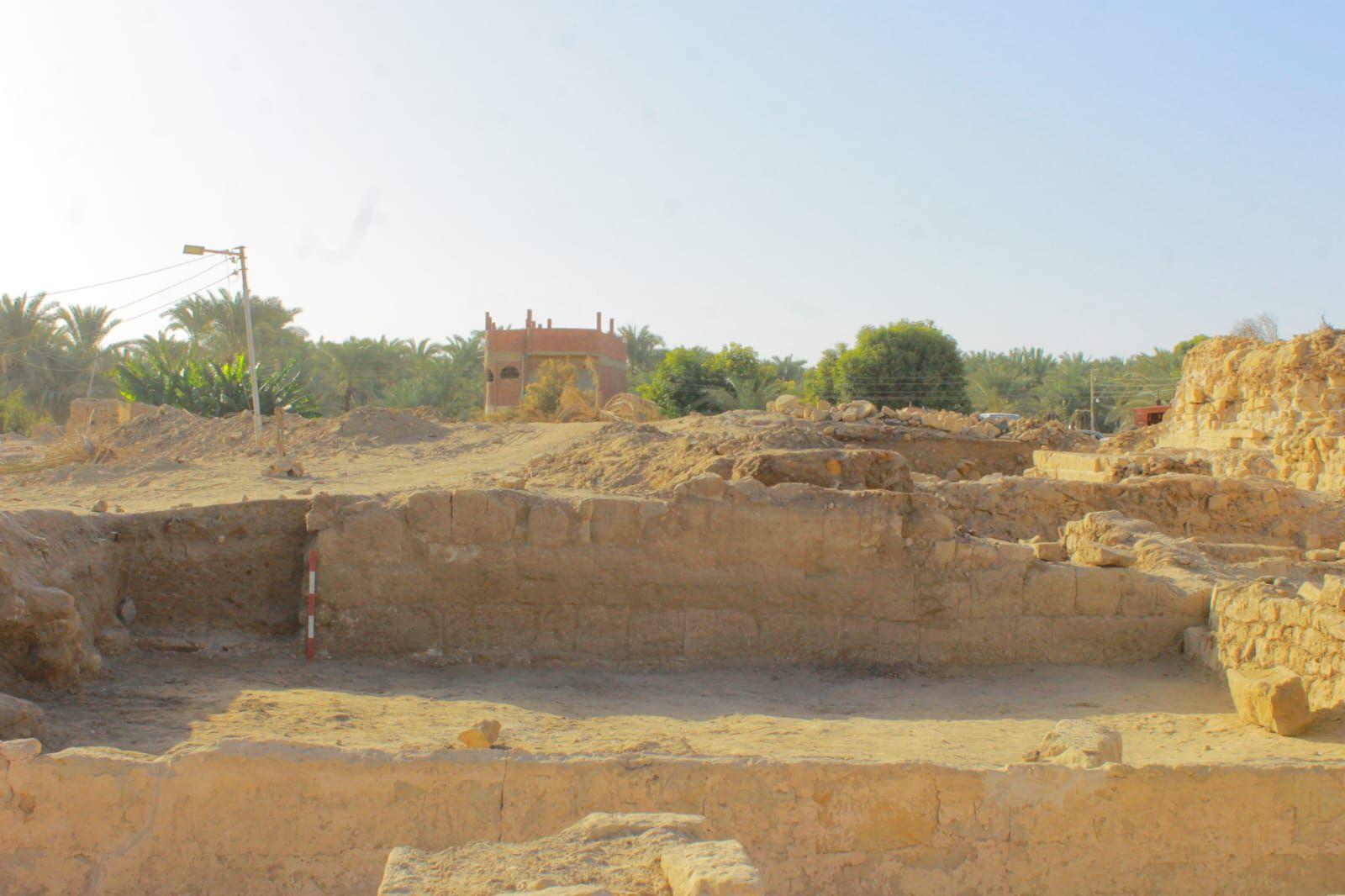
The Egyptian Ministry of Tourism and Antiquities has announced that an archaeological mission, affiliated with the Supreme Council of Antiquities, has uncovered new sections of the ancient temple located at the Old Palace site in the village of Al-Qasr, Bahariya Oasis. This discovery dates back to the 26th Dynasty and was made during the current excavation season at the site.


Sharif Fathy, Minister of Tourism and Antiquities, praised the efforts of Egyptian archaeological missions, stating that these discoveries enhance our understanding of ancient Egyptian civilization and unveil more secrets that bolster Egypt’s status as a leading destination for cultural tourism.
He emphasized that these findings exemplify Egypt’s unique archaeological wealth, which still conceals many undiscovered treasures. They also reflect the efficiency of Egyptian archaeological teams in revealing new chapters of our rich history, serving as a fundamental pillar for enhancing cultural tourism products.
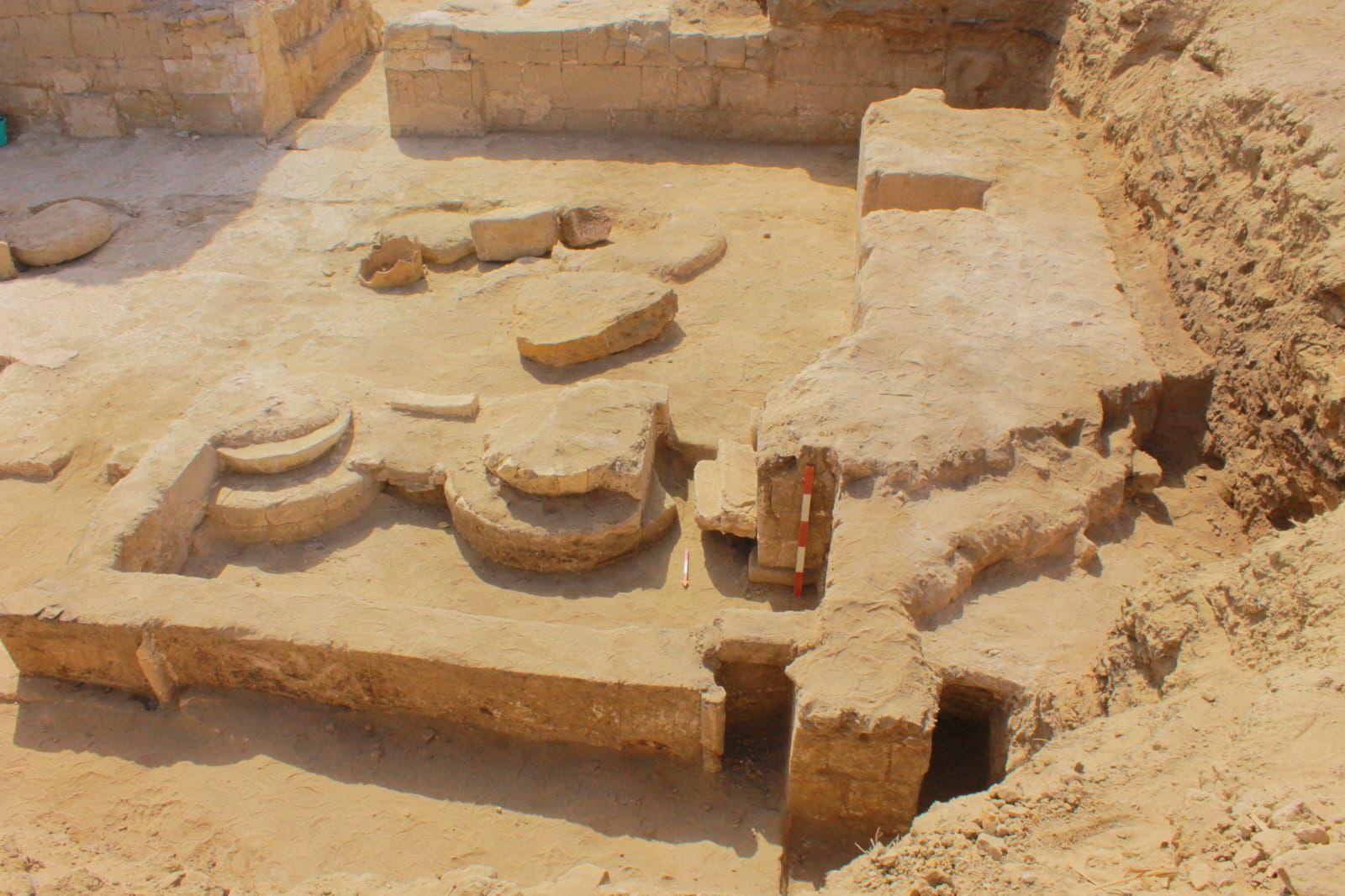
Dr. Hisham El-Leithy, Secretary General of the Supreme Council of Antiquities, noted that the mission successfully uncovered new architectural elements from the temple, including remnants of a sandstone chamber and several inscribed stone blocks bearing the names and titles of King Bakenrenef (Psamtik I), alongside a collection of artifacts that contribute to understanding the temple’s architectural layout and history.
The Secretary General stated that this discovery stands as further evidence of the significant historical and archaeological importance of the Old Palace site in Bahariya Oasis, highlighting its role as a prominent religious and administrative center throughout successive historical eras. It also sheds more light on Bahariya Oasis’s history and its connections with ancient Egyptian civilization.
Mohamed Abdel Badie, Head of Egyptian Antiquities Sector at the Supreme Council of Antiquities, mentioned that excavation work at the site began in 2014 and continues through to the 2026 season. The mission has revealed important parts of an ancient temple primarily dating back to the 26th Dynasty, initiated during King Bakenrenef’s reign and completed during those of Kings Wahibre (Apries) and Ahmose II (Amasis).
Among notable discoveries is the main column hall of the temple featuring 16 sandstone columns, along with several chambers and compartments associated with it. Additionally, remnants of scenes and hieroglyphic texts recording names of several ancient Egyptian deities were found, prominently including Amun-Ra, Amunet, and Khonsu.
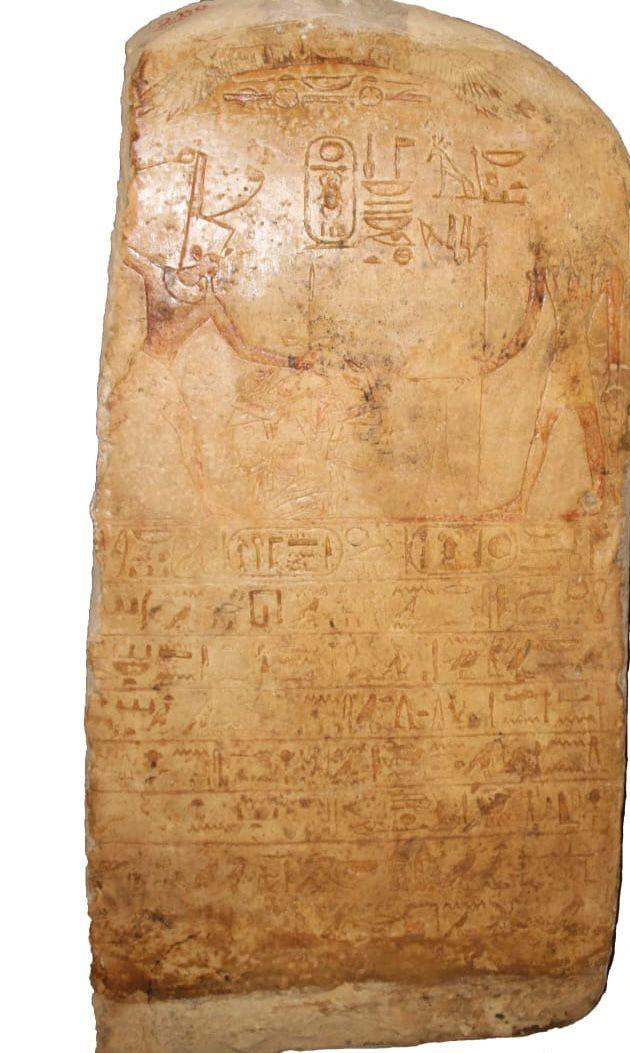
A stone tablet dating back to King Amenhotep II from the Eighteenth Dynasty was also discovered. It bears inscriptions confirming Bahariya Oasis’s connection with Egypt since the New Kingdom period. Furthermore, artifacts from King Ramses II’s era were found, indicating that this site experienced religious and urban activity even before the 26th Dynasty.
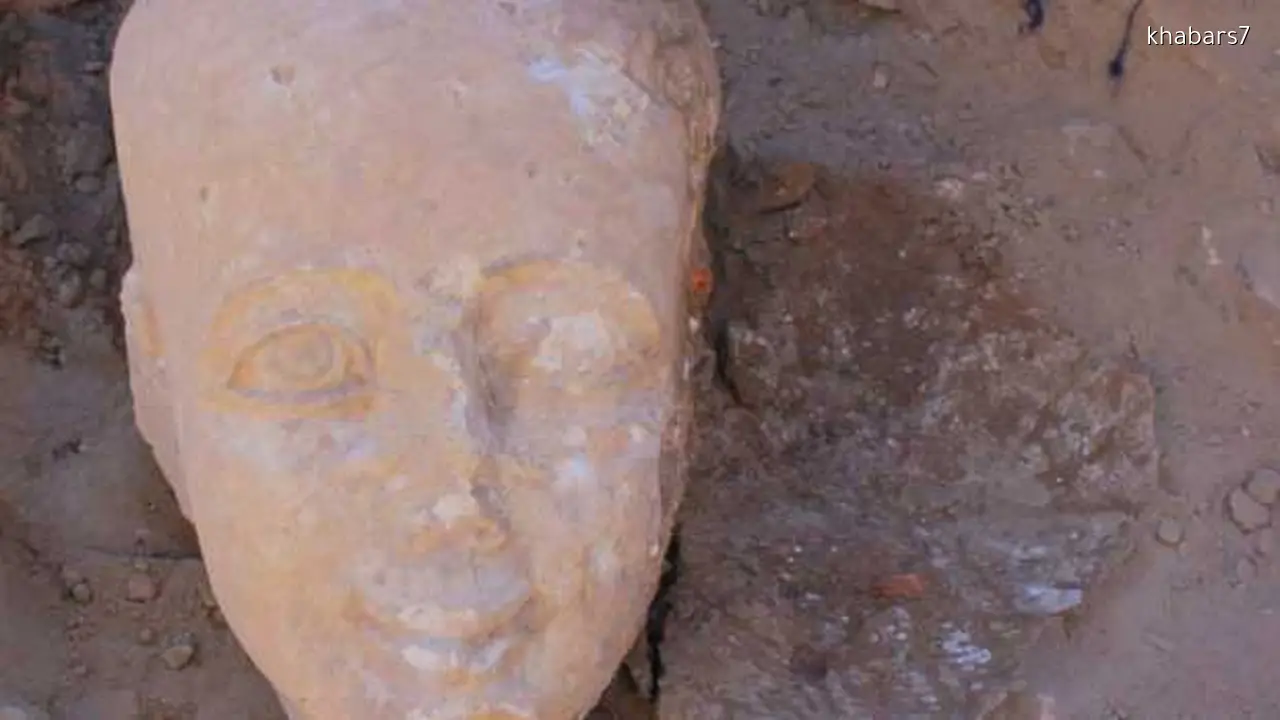
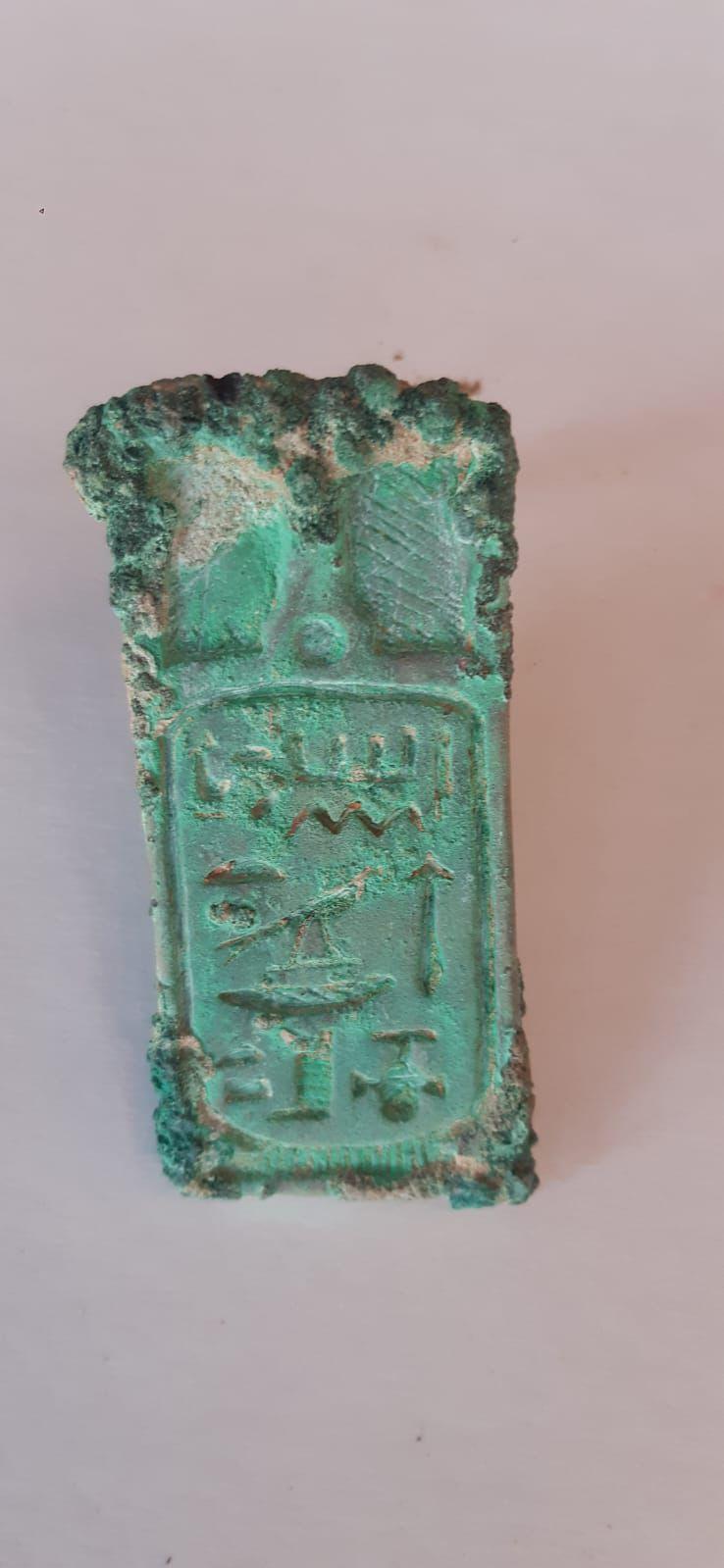
Qutub Fawzy, Head of Central Administration for Cairo and Giza Antiquities, revealed that during previous excavation seasons, for the first time ever, they uncovered the name of the temple—“Ibt-Sut” (Heart’s Place)—through a metal seal found inside it. This was alongside several significant statues and artifacts including a statue dedicated to Thoth, a bronze statue for Osiris, a bronze amulet for Ra-Horakhty, a head statue representing a priest or prominent official from Bahariya Oasis, as well as a sanctuary belonging to local governor and priest Ba-di-Eza—one of the most notable figures associated with oasis administration during late antiquity.
In this context, Sabry Farag, Director General of Bahariya Oasis Antiquities, highlighted findings indicating continued use of this site during both Greek and Roman periods extending into the fourth and fifth centuries AD. Numerous ostraca and Coptic-Latin texts were discovered along with industrial installations such as basins used for wine and oil production as well as designated storage areas.
The Old Palace site is considered one of Bahariya Oasis’s most significant archaeological locations since it served as the region’s ancient capital during late antiquity.
Comments