

Minister Calls for Aligning Educational Outputs with Labor Market Needs
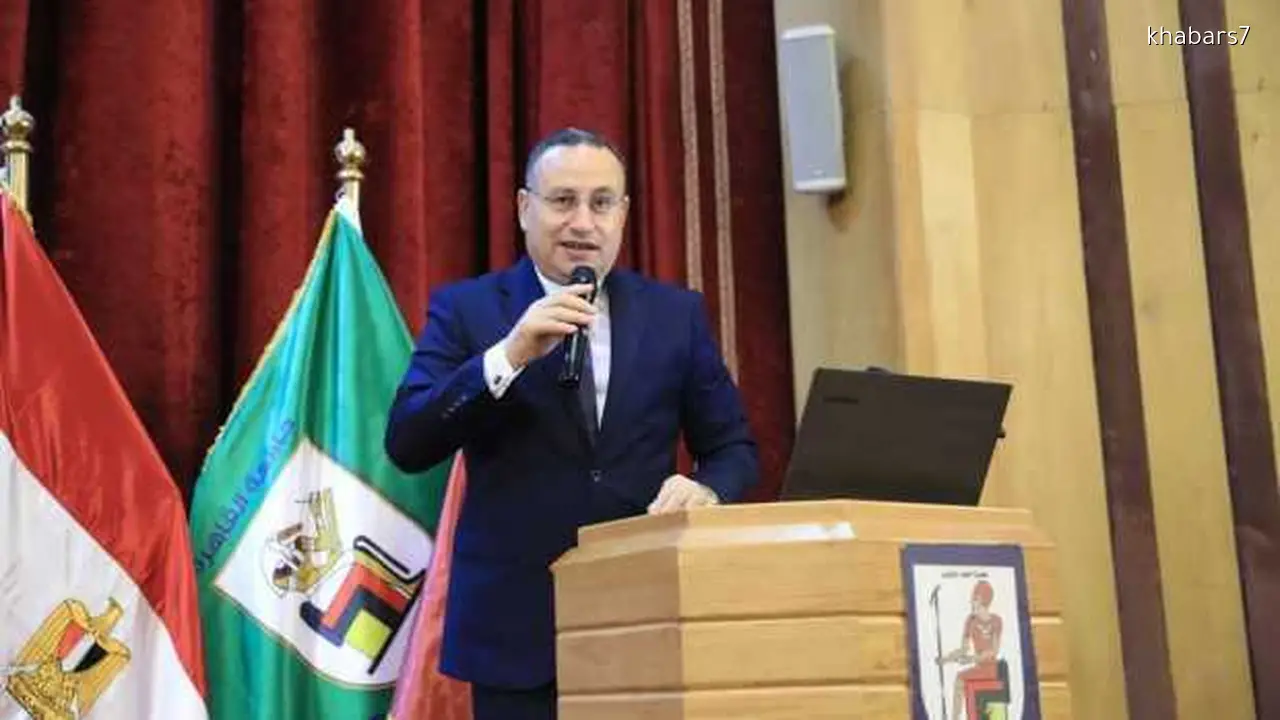
Meeting of the Minister of Higher Education with Faculty Members at Cairo University.
Dr. Abdelaziz Qansoua, Egypt’s Minister of Higher Education and Scientific Research, convened a comprehensive session on Sunday morning with faculty members and assistants at Cairo University. This meeting was attended by Dr. Mohamed Sami Abdel-Sadek, President of Cairo University, Dr. Hossam Salah, Dean of the Faculty of Medicine and Chairman of the Hospitals Board, alongside several leaders from the ministry and university hospitals.
The session focused on showcasing the research and innovation system within the Faculty of Medicine, aiming to outline future directions and highlight academic leadership as preparations begin for the celebration marking 200 years since the establishment of this esteemed medical institution.
Dr. Qansoua emphasized that transitioning towards a knowledge-based economy necessitates accelerating integration between the industrial sector and the research system. He noted that the ministry is currently implementing several initiatives to achieve this goal.
The minister detailed a plan to establish a comprehensive system that includes technology valleys and innovation incubators aimed at nurturing promising projects until they evolve into marketable products and services. This initiative seeks to enhance technological readiness in projects, enabling them to reach production stages and commercial expansion, thereby supporting efforts to elevate national industry and economy.
Dr. Qansoua remarked that aligning educational outputs with labor market needs has become an imperative in light of rapid global economic changes. He confirmed that the ministry is working on developing and restructuring academic programs to meet local, regional, and international job market requirements based on recent indicators and data related to future jobs and skills.
The modernization process for academic programs within Egyptian universities relies on accurate and ongoing studies that track in-demand specializations and jobs both locally and globally. This ensures educational curricula are developed based on a clear vision that responds to labor market needs while keeping pace with rapid changes.
The minister reviewed efforts by the ministry to enhance collaboration between academia and industry, highlighting the activation of the “Professor for Every Factory” initiative. This program allows faculty members and researchers to spend time working within industrial facilities to implement practical projects while transferring scientific expertise to production sites, thus contributing to national industry support and bridging the gap between academic knowledge and practical application. He emphasized creating an attractive environment supportive of academic competencies in universities.
Dr. Mohamed Sami Abdel-Sadek stated that Qasr Al-Aini Hospitals are among Egypt’s largest and most prestigious medical institutions, playing a crucial role in providing specialized health services while also being pivotal in training doctors and conducting advanced scientific research. He noted that the university continues its ambitious plan to develop its hospitals, supporting Egypt’s direction towards enhancing healthcare quality and providing advanced medical care for citizens.
The university president highlighted their commitment to offering a comprehensive educational environment for students, ensuring conducive conditions for academic achievement alongside various student activities. He stressed that prioritizing students’ interests is central to enhancing their university experience while achieving academic excellence.
During the session, Dr. Hossam Salah presented key features of the research strategy aimed at its second century, focusing on several main pillars including evidence-based medical practice, enhancing research systems infrastructure, localizing innovation across various healthcare fields, maintaining research integrity and ethics, as well as increasing scientific visibility through strategic partnerships across disciplines. He indicated that this strategy aligns with national needs by studying factors affecting health conditions along with research related to common diseases, cancer studies, technological innovation in disaster medicine, training medical education development research.
Dr. Adel Abdel-Ghaffar, spokesperson for the ministry, announced results from the second edition of the “Qasri” initiative titled “Innovate,” which targets young researchers requiring project submissions with inter-disciplinary nature responding to state strategic priorities. The Science Funding Authority will evaluate projects ensuring young doctors engage with standards from national funding bodies. This initiative resulted in three winning research projects focusing on artificial intelligence applications in healthcare; each project received funding amounting to two million Egyptian pounds. The winning projects include: first place for “Artificial Intelligence for Improving Patient Triage and Prioritization in Hospital Waiting Areas,” second place for “AI in Cognitive Health: New Horizons for Screening Detection & Diagnosis,” third place for “Differential Diagnosis Accuracy Using AI Analysis of Laboratory Data Only Compared to Analysis Including Radiological & Clinical Data.”.
The event also featured presentations regarding academic work dimensions through showcasing “KARISC” system outputs along with Emergency Medicine journal details while introducing “KACRI” center initiatives alongside funded joint projects from Science & Technology Support Fund (STDF). The session concluded with awards presentation for Qasr Al-Aini Research & Innovation prizes “Qasri 2.”.
On the sidelines of these activities, Minister Qansoua inspected technical upgrades at Medical Information Center & International Networks “MedNet,” where a complete digital overhaul was implemented including modern servers aimed at digitizing medical files while establishing immediate electronic links between patient files along with radiology systems allowing retrieval of medical history supporting clinical decisions benefiting 2.5 million patients visiting Qasr Al-Aini Hospitals along with emergency departments as well as students & researchers.
He also reviewed development work at faculty staff rest areas within the Faculty of Medicine which have been equipped with necessary amenities ensuring conducive atmospheres support effective teaching & research duties.
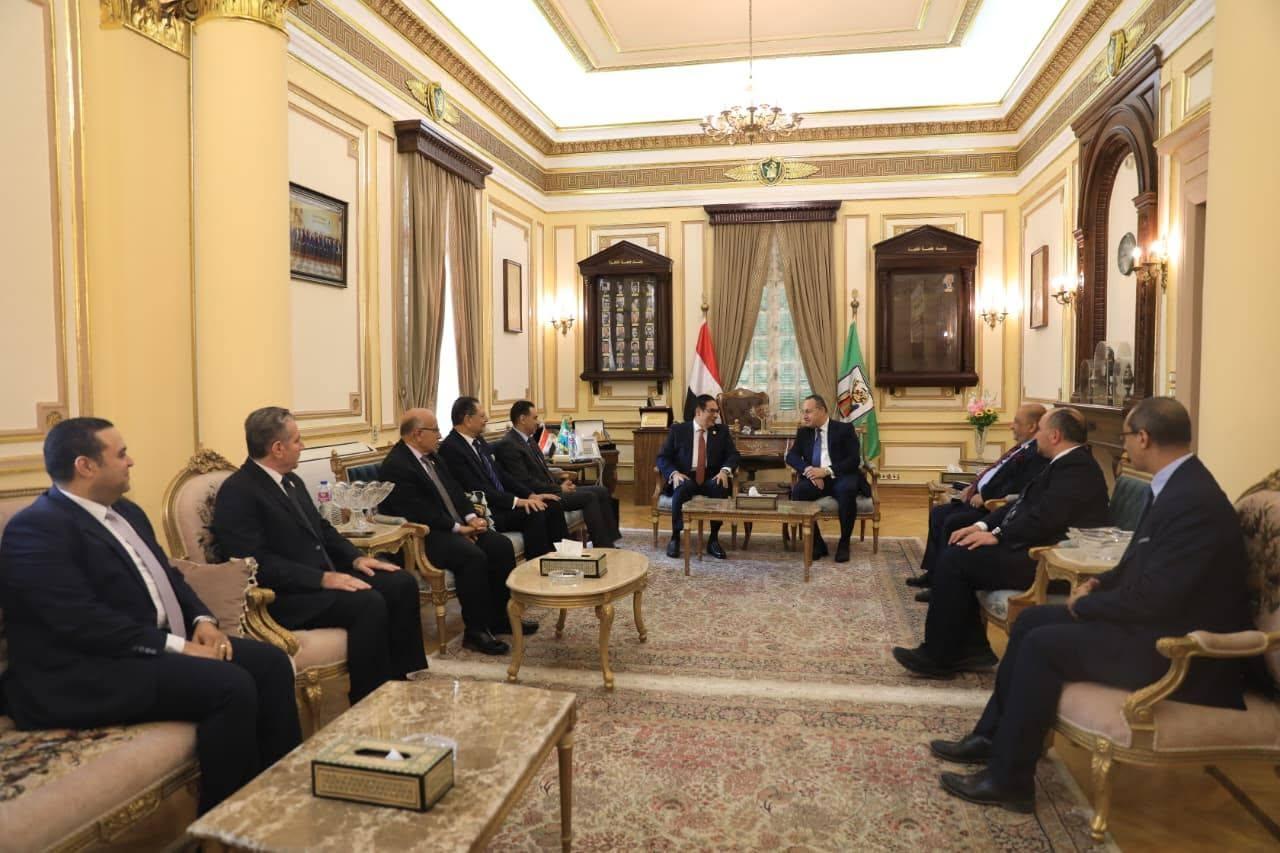
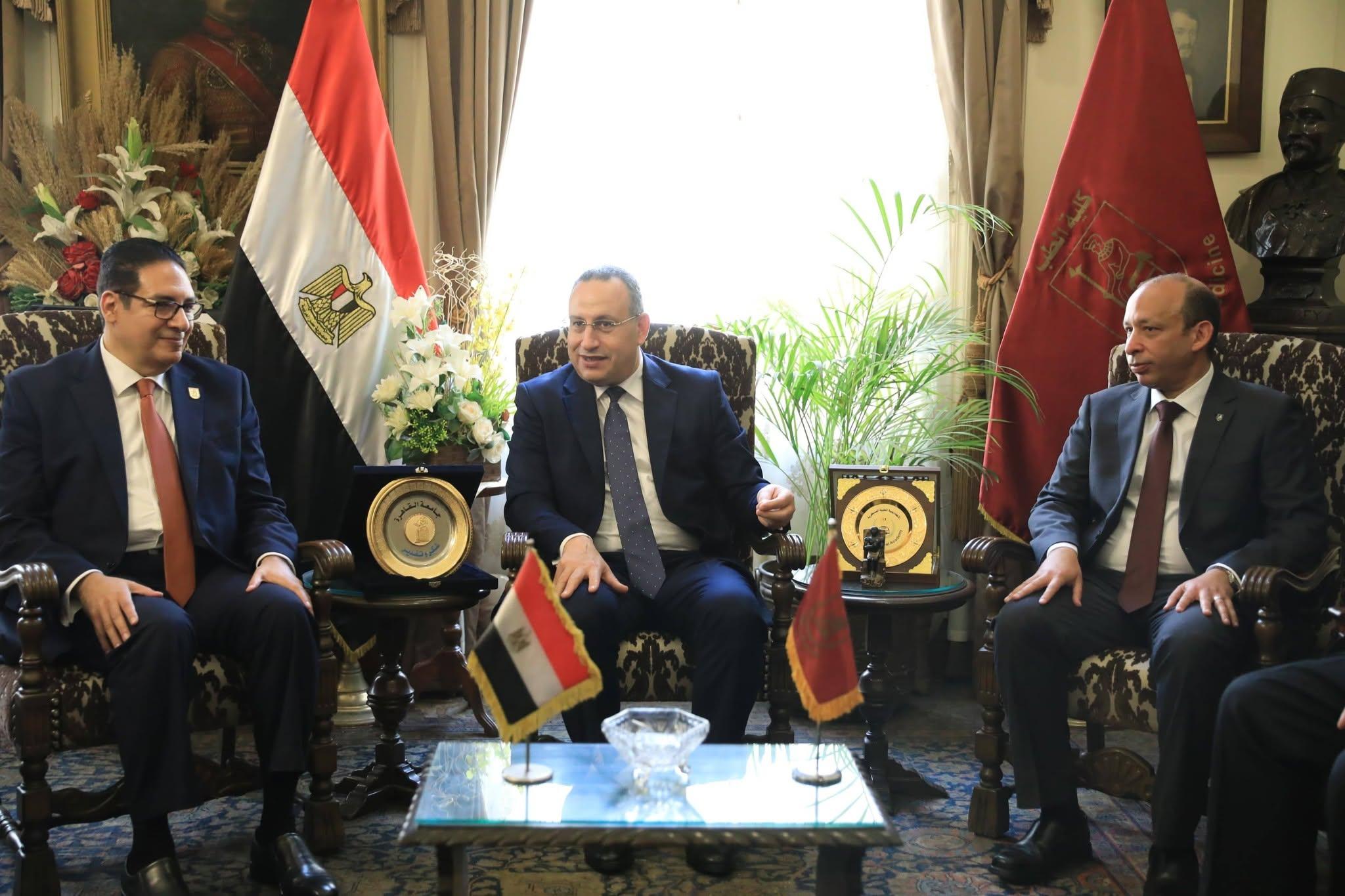
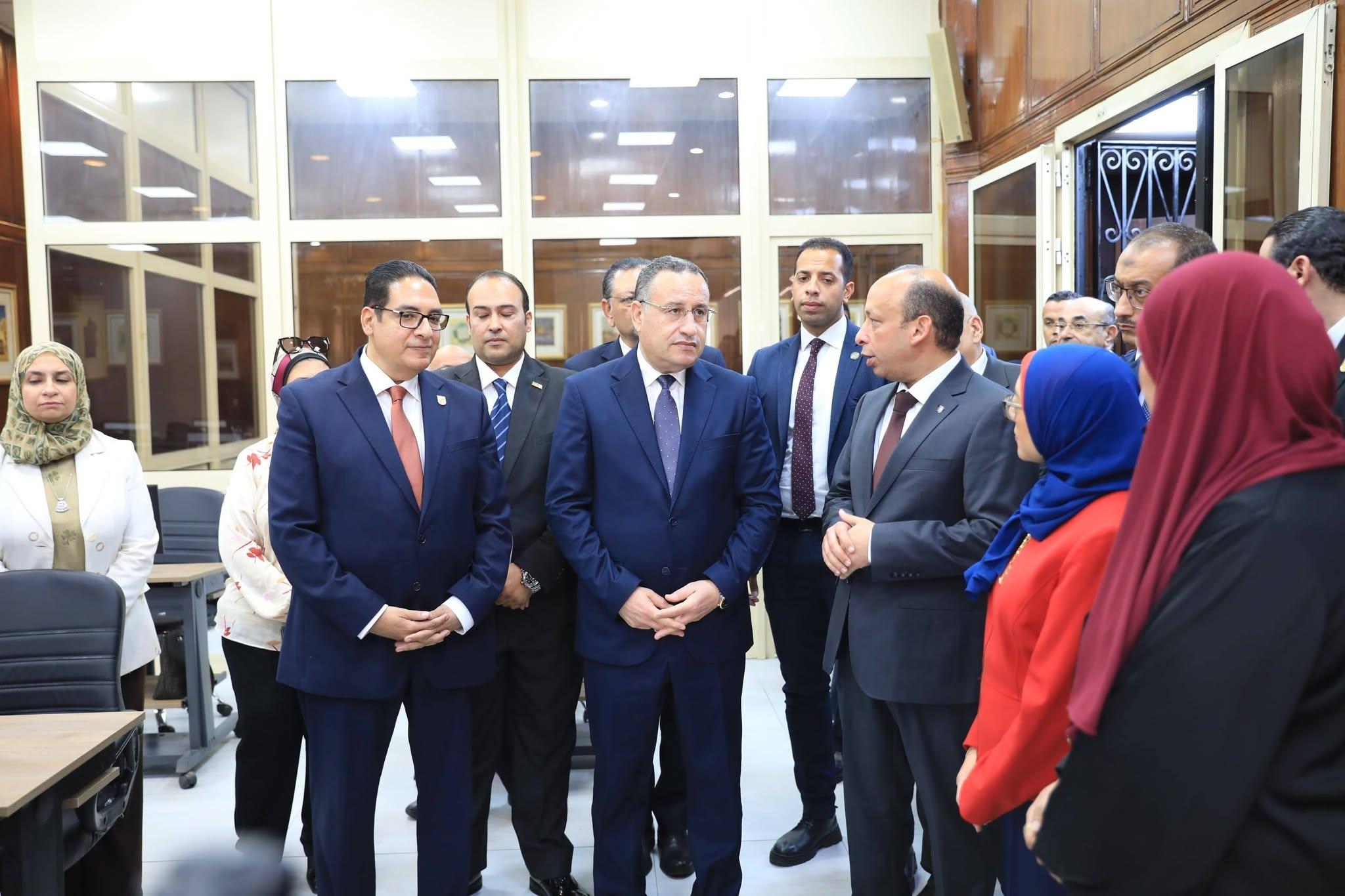
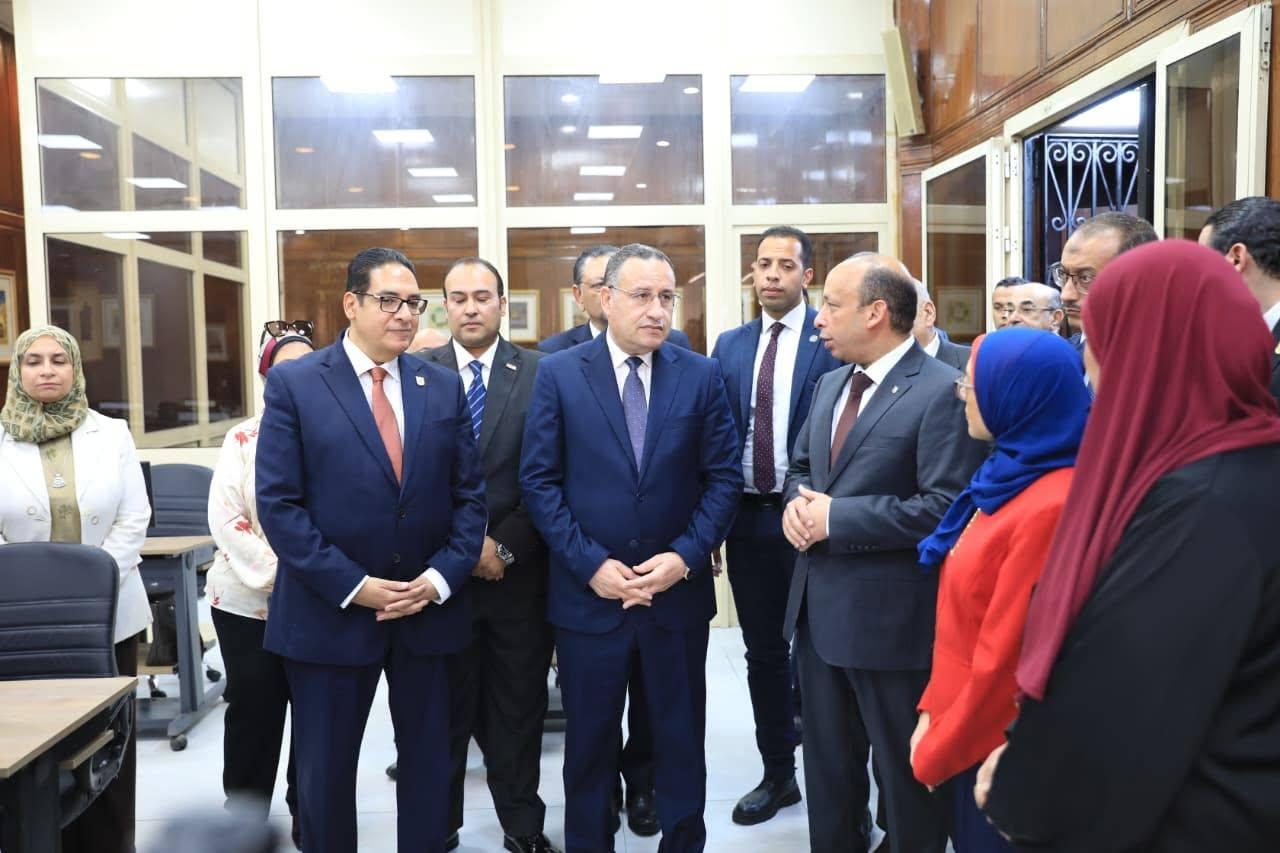
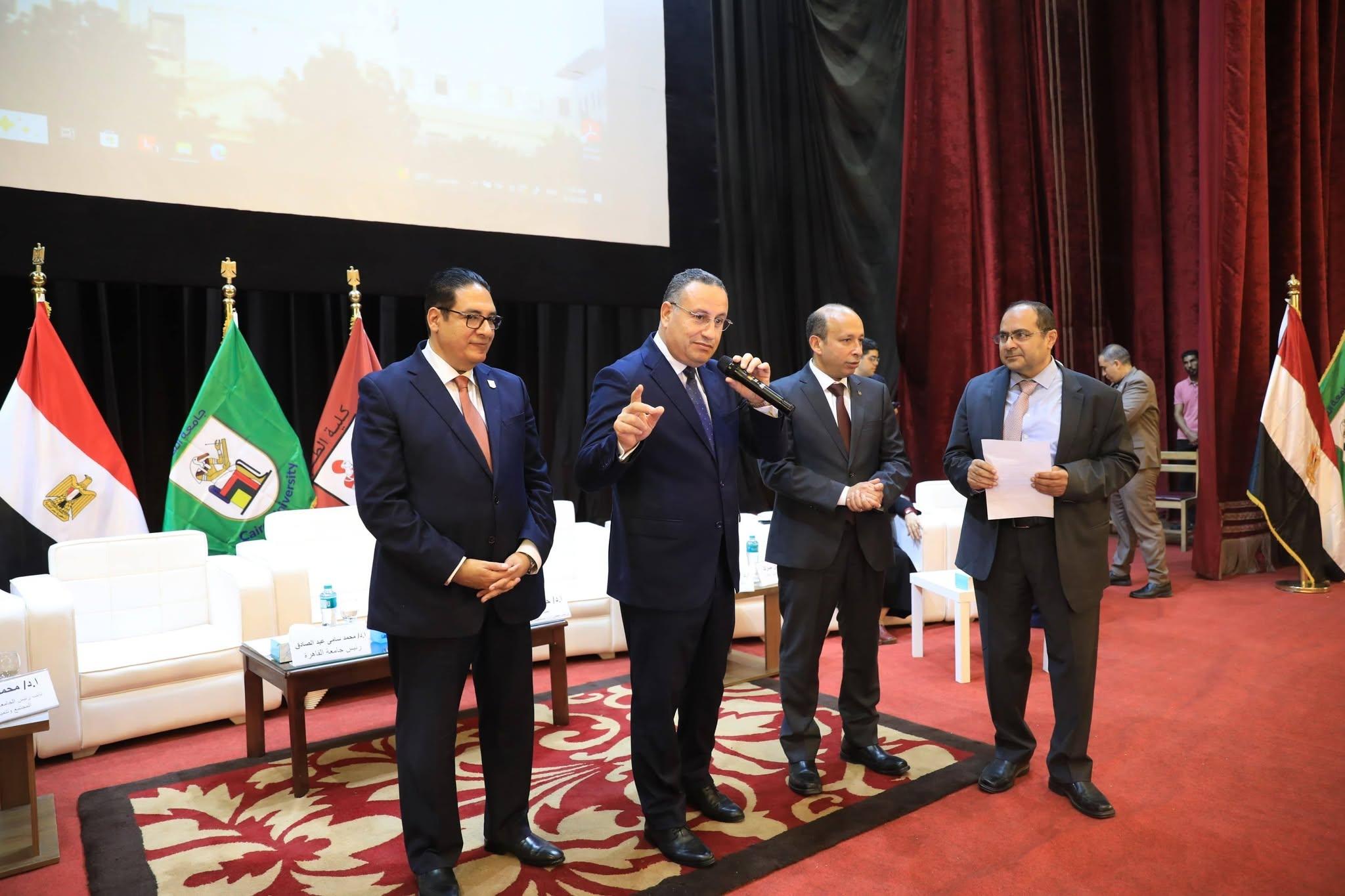


Attending these events were Dr. Walaa Sheta, CEO of Science Funding Authority; Dr. Omar Sharif Omar, Secretary General of Supreme Council for Universities Hospitals; Dr. Hani Madkour Assistant Minister for National Projects; Dr. Mohamed Refaat Vice President for Community Service & Environmental Development; Dr. Adel Abdel-Ghaffar Ministry Spokesperson; Dr. Hossam Hosny Executive Director for Hospitals along with several university leaders.
Comments